Japan unveils $10 billion aid package to secure Asian energy supplies
Japan pledged about $10 billion to help Asian partners stockpile energy and shield medical supply chains as Middle East tensions pushed oil costs higher.
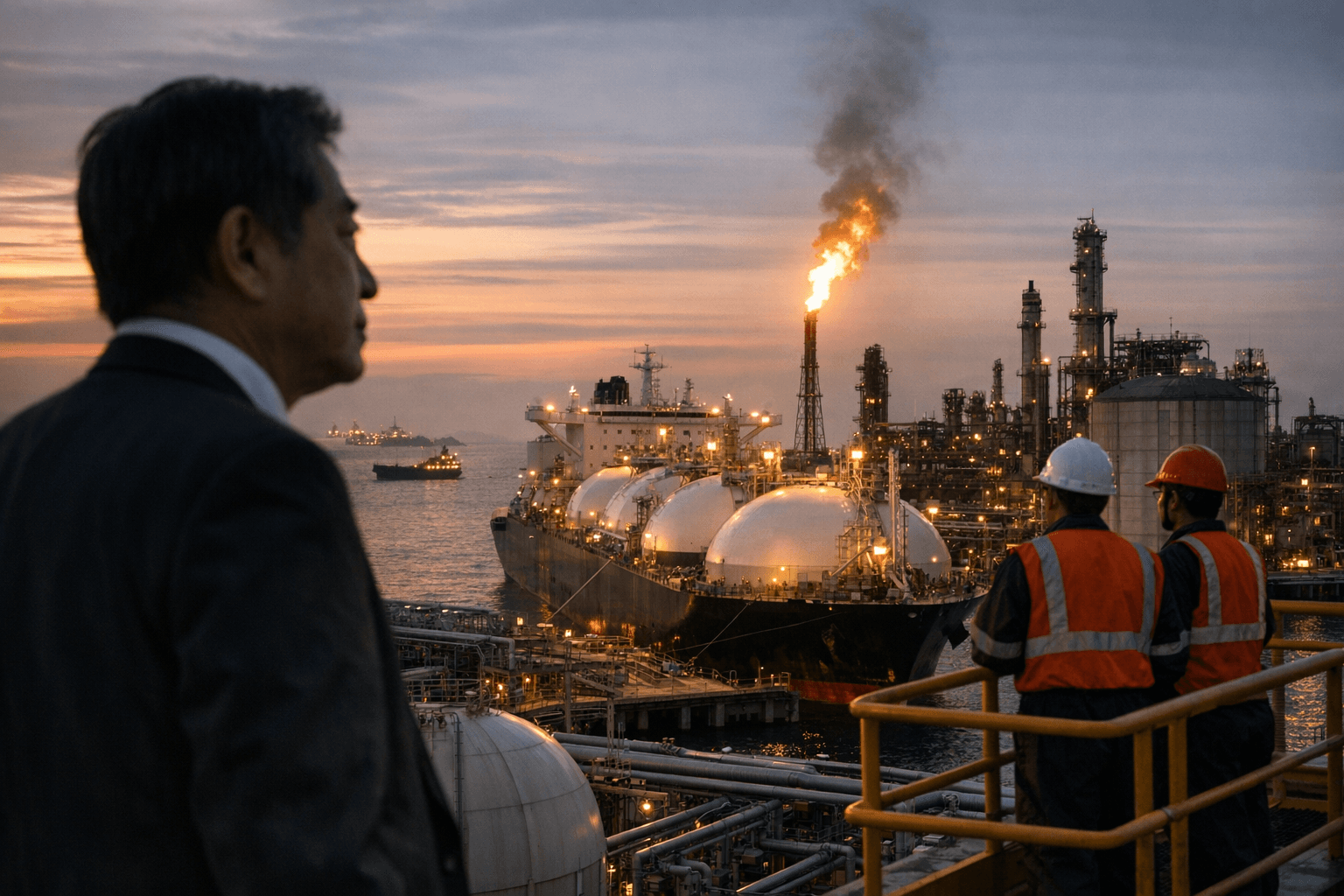
Japan unveiled a financial framework worth about $10 billion, or about ¥1.6 trillion, to help Asian countries secure energy resources and build stockpiles as Middle East tensions lifted oil prices and strained supply chains. The move was designed not only as regional assistance but as insurance for Japan’s own economy, which depends on steady flows of petroleum-related goods and medical supplies from Southeast Asia.
Prime Minister Sanae Takaichi announced the package during an online Asia Zero-Emission Community Plus summit on energy resilience, held at about 3:00 p.m. local time on April 15, 2026. Leaders from the Philippines, Malaysia, Singapore, Thailand and Vietnam attended, among others. Japan said the support would be channeled mainly through state-backed institutions such as the Japan Bank for International Cooperation and Nippon Export and Investment Insurance, and the framework may include loans.
The strategic logic was clear: Japan is trying to lock in access to the products that keep hospitals, factories and transport systems running when oil markets tighten. Takaichi pointed to dialysis equipment, surgical drains, surgery gloves and other medical goods as examples of items exposed to petroleum and logistics pressure. The Japan Foreign Ministry said the initiative was meant to strengthen energy resilience while also advancing energy security, economic growth and decarbonization.
The package also reflects Japan’s concern that shocks in the Middle East could ripple through Asian manufacturing networks and feed back into its own supply chain. Southeast Asia supplies Japan with petroleum-related and medical-setting products, while some countries in the region hold relatively low oil reserves that could interrupt exports if prices spike or shipping lanes come under stress. By underwriting stockpiles and financing energy procurement, Tokyo is betting that resilience financing will become a form of regional influence.
The effort builds on AZEC, launched in 2022, which now includes 11 partner countries across Asia and Australia. In practice, Japan is using energy assistance to compete for long-term leverage in a region where governments are increasingly anxious about another supply shock and eager to protect access to the oil-derived essentials that modern health systems and industries cannot function without.
This article was produced by Prism’s automated news system from verified source data, official records, and press releases, then run through automated quality and moderation checks before publishing. The system is built and supervised by the people who set the standards it runs under. Read our full AI policy.
Did this article answer your question?

