Japan urges Bank of Japan to help reach 2% inflation target
Tokyo pressed the Bank of Japan to stay aligned with the government as markets priced an 80% chance of a June rate hike and watched bond yields climb.
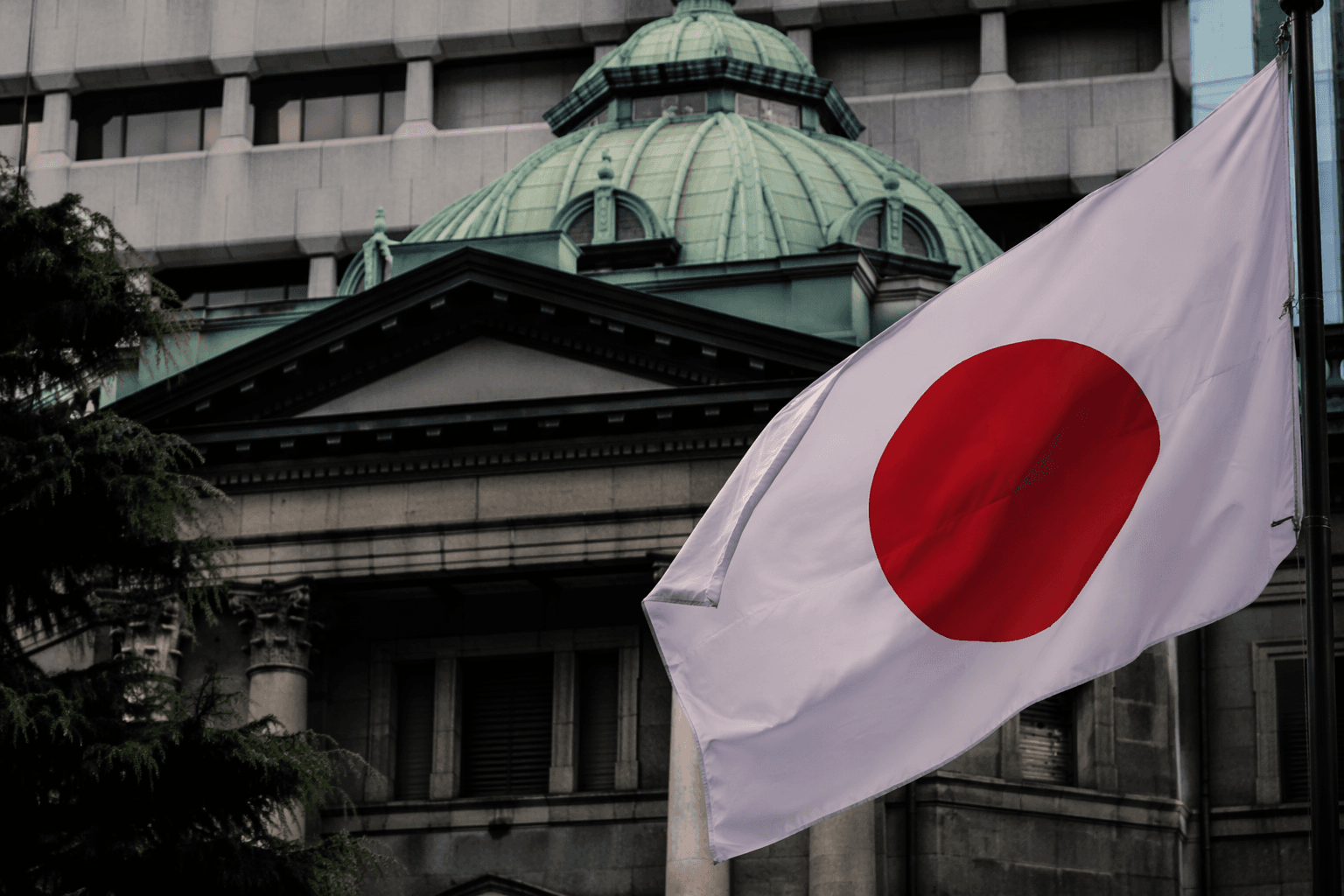
Japan’s top economic policy minister signaled that Tokyo wants the Bank of Japan to stay close to the government’s 2% inflation drive, even as traders wagered the central bank is nearing another rate hike. Minoru Kiuchi said he hoped the BOJ would work closely with the government to durably reach the inflation target, but drew a line around the bank’s formal authority by saying monetary policy decisions were up to the BOJ.
That distinction goes to the heart of Japan’s current policy balance. The government can push the narrative of wage-led inflation and growth, but the BOJ still controls the rate path through its Policy Board, which sets the basic stance at monetary policy meetings. For U.S. readers, the stakes show up in the currency and bond market: any hint of tension between policymakers can move the yen, push Japanese government bond yields higher and feed through to household borrowing costs.
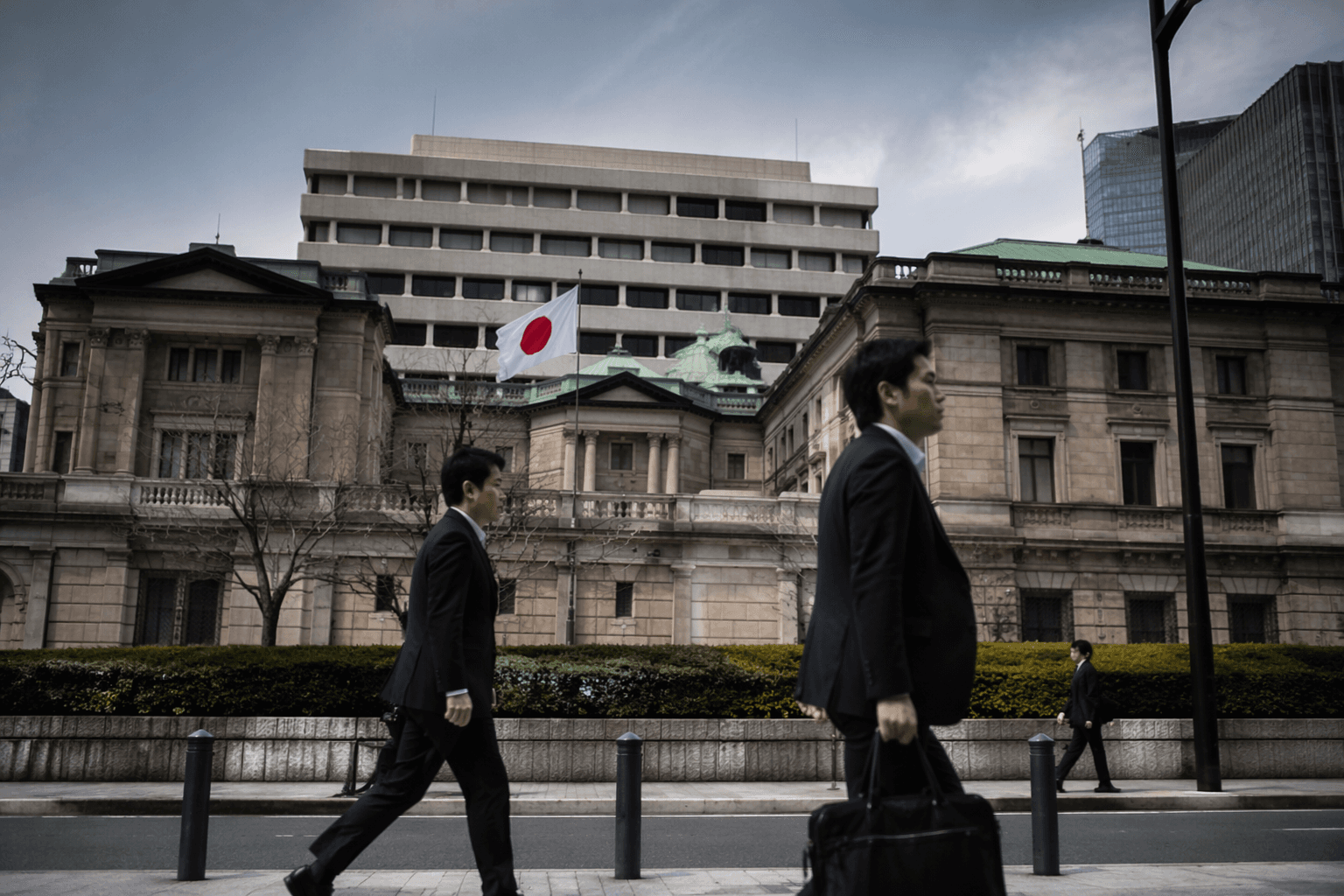
Kiuchi’s remarks came as yields on Japanese government bonds were already rising. He said the move reflected supply-demand dynamics and a moderate economic recovery, not just market alarm. He also warned that interest-rate changes affect the economy through multiple channels, and said the government would keep watching how those effects play out.
The timing matters. The BOJ is expected to raise its short-term policy rate to 1% from 0.75% at its June 16-17 meeting unless Middle East tensions worsen and unsettle financial markets. Traders were pricing in roughly an 80% chance of a June hike, a sign that markets already see Japan moving further away from the ultra-loose policy era that defined much of the past decade. Reuters also reported that investors were worried higher fuel prices from the Middle East conflict could stoke inflation and outrun central bank responses, adding pressure to global yields as well.
The policy backdrop dates to January 2013, when the BOJ set a 2% price-stability target and pledged to reach it as early as possible in a joint statement with the government titled “Joint Statement of the Government and the Bank of Japan on Overcoming Deflation and Achieving Sustainable Economic Growth.” Japan’s government has since said it expects the BOJ to pursue appropriate monetary policy toward a sustainable 2% inflation target driven by wage growth and coordinated with the government.
Kiuchi’s comments carried added weight because he holds several senior posts, including minister in charge of Japan’s growth strategy, developing an environment for wage increases, startups and economic and fiscal policy. He also represents Shizuoka’s 7th District in the House of Representatives, placing him squarely inside the policy debate over how far Japan can tighten without weakening its recovery.
This article was produced by Prism’s automated news system from verified source data, official records, and press releases, then run through automated quality and moderation checks before publishing. The system is built and supervised by the people who set the standards it runs under. Read our full AI policy.
Know something we missed? Have a correction or additional information?
Submit a Tip