Japan weighs fresh debt to fund extra war shock budget
Tokyo is set to borrow more to blunt war-driven fuel costs, even as its debt burden stays the highest among advanced economies.
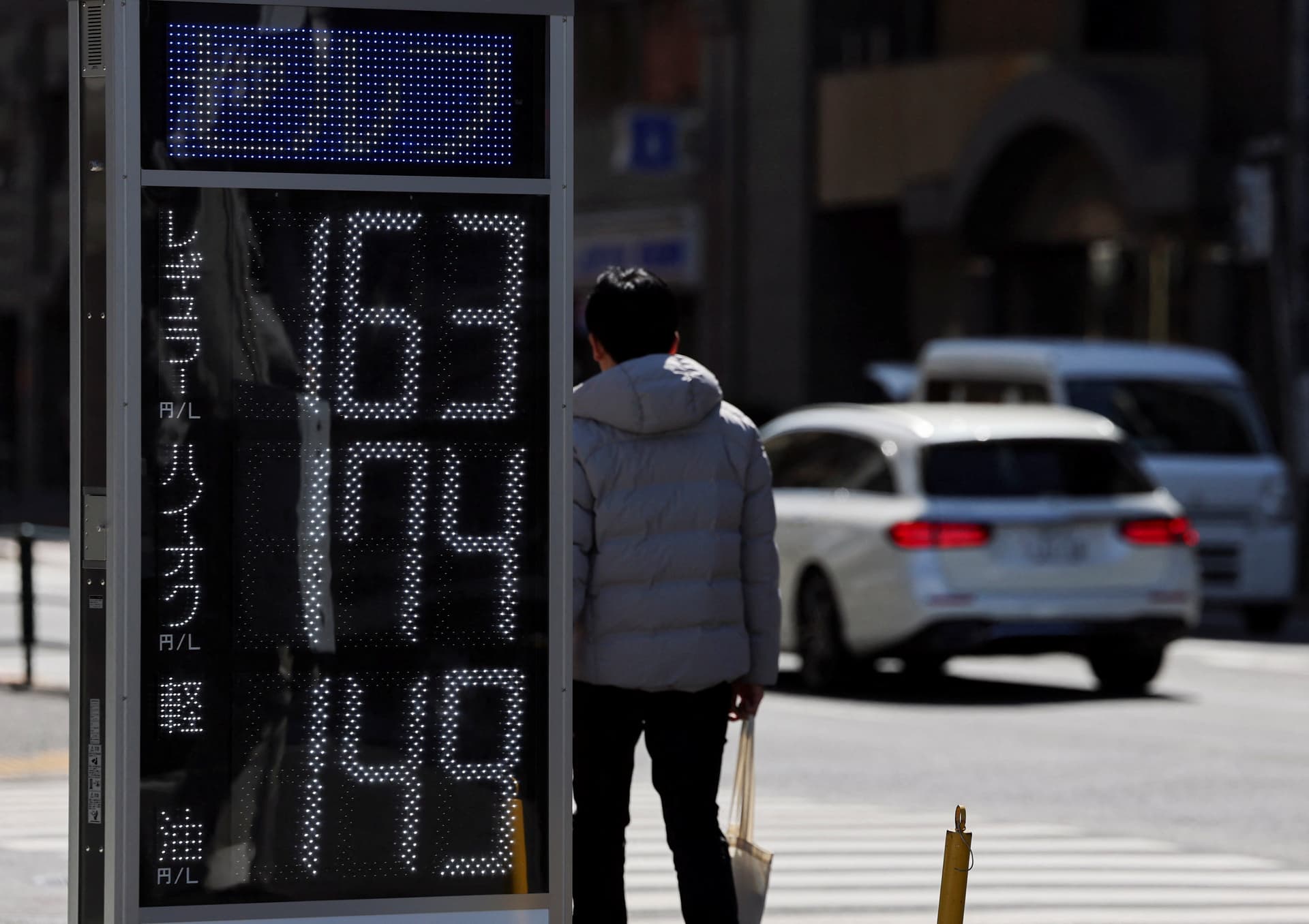
Japan is likely to issue fresh debt to help pay for an extra budget aimed at cushioning the economic blow from the war in the Middle East, a move that would offer near-term relief to households while adding to one of the developed world’s heaviest public-debt loads. The debate captures a familiar tradeoff in Tokyo: whether emergency spending is still a temporary shock absorber, or whether crisis finance has become the default response.
The planned package is being shaped to soften higher energy costs, including possible subsidies for fuel and utility bills, after rising oil prices filtered quickly into Japanese households and businesses. About 980 billion yen remained in a gasoline-subsidy pool at the end of April, while reserve funds set aside in the fiscal 2026 budget total 1 trillion yen. Officials worry those cushions could run short if the conflict around Iran drags on and keeps imported energy costs elevated.
Financial markets have already signaled unease. Yield increases on 30-year and 40-year Japanese government bonds followed the earlier extra-budget discussion, and the 30-year yield climbed above 4% for the first time since the bond’s debut in 1999. The 20-year yield reached its highest level since 1996, while the 40-year yield hit a record for the note since it was first sold in 2007. That matters well beyond Tokyo, because Japanese government debt is a benchmark for global rates and sharper moves can ripple through international markets.
The fiscal backdrop is unforgiving. International Monetary Fund data for April 2026 still show Japan with the highest general government gross debt among advanced economies, leaving little room for error as borrowing costs rise. Long-dated bond yields have become more volatile as investors reassess the outlook for Bank of Japan policy, while weak growth and stubborn inflation pressures complicate the government’s effort to protect spending power without undermining confidence in the state’s finances.
Chief Cabinet Secretary Minoru Kihara said the government would make appropriate decisions according to circumstances and take necessary measures. Finance Minister Satsuki Katayama had earlier said an extra budget was not needed for now, even as yields moved higher. Opposition parties are preparing to press the issue in a Diet leaders’ debate, accusing the government of moving too slowly. For Prime Minister Shigeru Ishiba’s administration, the choice is becoming clearer: shield households from the war shock with more debt, or risk leaving the economic pain to spread.
This article was produced by Prism’s automated news system from verified source data, official records, and press releases, then run through automated quality and moderation checks before publishing. The system is built and supervised by the people who set the standards it runs under. Read our full AI policy.
Did this article answer your question?

