Japanese flower arranging blooms anew in the United States
Ikebana is drawing Americans seeking calm and focus, while teachers expand access without losing the art’s discipline. Its U.S. revival is as much community building as craft.
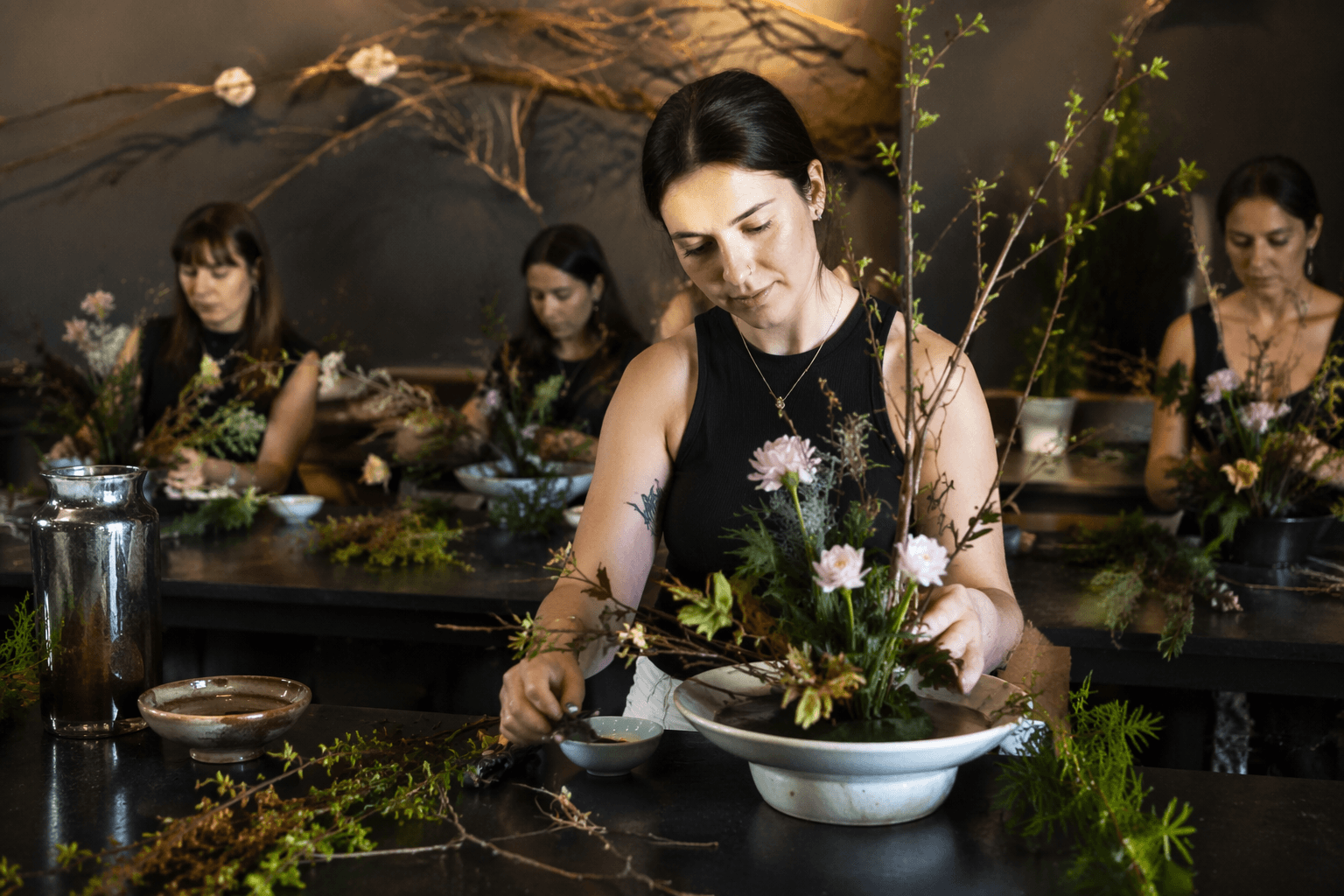
Americans reaching for quieter routines are finding one in ikebana, the Japanese art of flower arranging. Far from a fleeting wellness fad, it asks for attention to asymmetry, space and line, and that discipline is part of why it feels restorative in an age of stress and screen fatigue. Its renewed visibility in the United States is also a story of cultural transmission, with Japanese teachers, local chapters and public classes working to keep the practice open without flattening its meaning.
A practice with deep roots
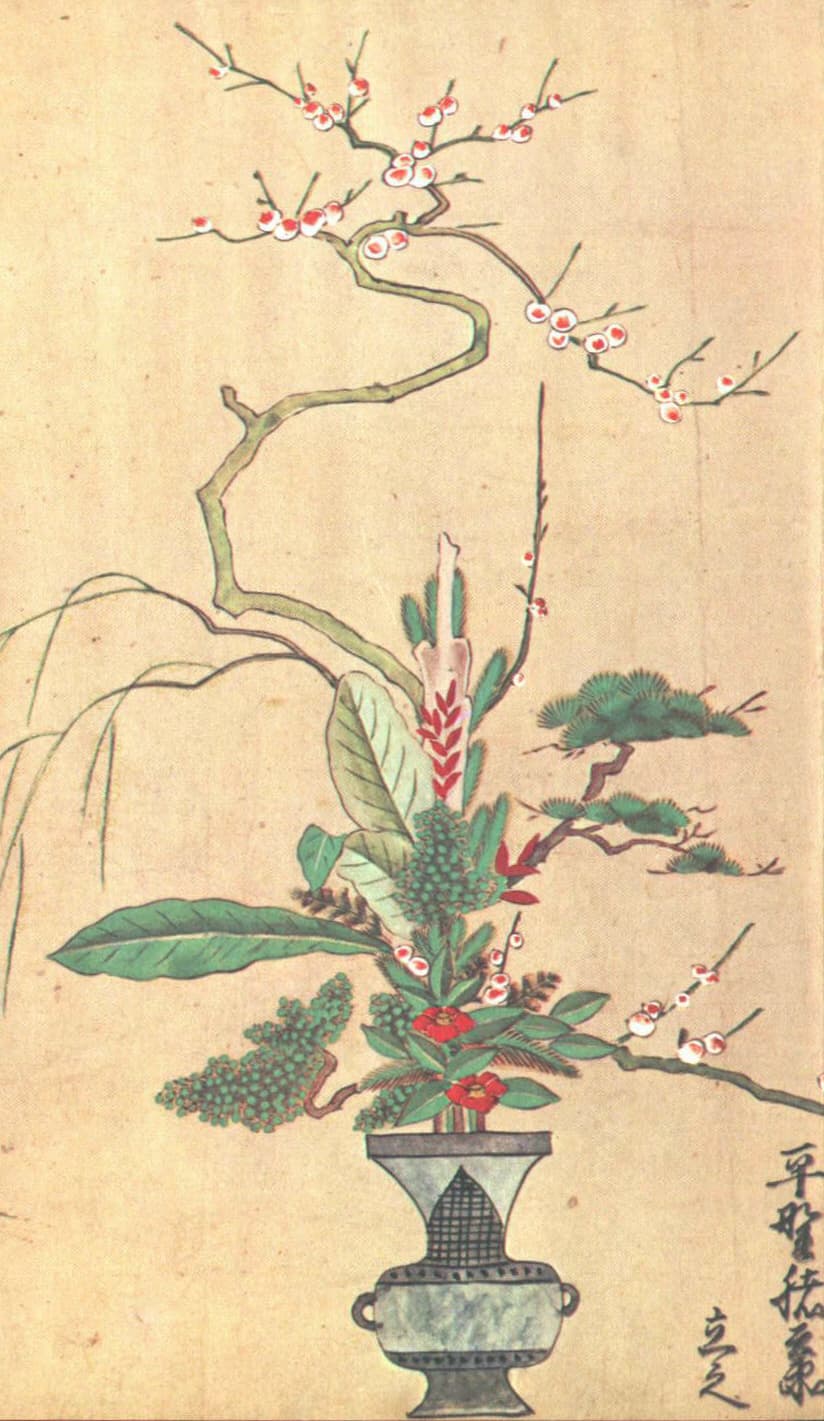
Ikebana, also called kadō, has roots that stretch back more than 600 years. Britannica says the art was introduced in Japan in the 6th century by Chinese Buddhist missionaries, and that the first school of flower arranging in Japan, Ikenobō, was founded by Ono no Imoko in the early 7th century. The Ikenobō school traces the tradition to floral offerings at Kyoto’s Rokkakudō Temple, and says the name Senkei Ikenobō appears in records in 1462 as a master of flower arranging.
That long history matters because ikebana is not just about making an arrangement look pretty. It is a formal aesthetic language built around restraint, imbalance, negative space and line, with each branch and blossom given a purpose. Today it is practiced through hundreds of schools, including Ikenobō, Ohara, Sogetsu and others, each carrying the tradition forward in slightly different ways.
Why it resonates now
The current American interest in ikebana fits a broader hunger for slower rituals that do not begin and end on a screen. A recent class at the National Arboretum in Washington, D.C., brought together about a dozen children, showing that the practice is reaching beyond older hobby circles and into intergenerational spaces. Instructors emphasized the art’s core principles, and participants described the experience as creative and calming.
That reaction makes sense in a culture saturated with speed. Ikebana demands the kind of focused attention that many people now struggle to sustain, and its structure can feel like a small but real antidote to constant notification and overload. Because the arrangement is built from space as much as from flowers, it encourages patience, observation and a different relationship to imperfection.
For public health and community well-being, that matters. Rituals that combine hands-on creativity with shared presence can create moments of groundedness, especially for children and adults who spend much of the day indoors, online or under pressure. Ikebana does not claim to replace therapy, but it offers a disciplined pause that many people experience as soothing and restorative.
How the art took root in the United States
Ikebana became more visible in the United States after World War II, in part through Ikebana International, a nonprofit founded in 1956 by Ellen Gordon Allen. Allen learned ikebana while living in Japan, where her husband, a U.S. Army general, was stationed, and she built the organization around the motto “Friendship through Flowers.” That phrase still captures the project’s social side: not just arranging blooms, but building relationships across cultures.
The organization says it now spans more than 40 countries and areas, with members taking part through meetings, demonstrations, exhibitions and other events. Its Washington, D.C., Chapter No. 1 says it was the first chapter outside Tokyo, and it now has more than 280 members. Across the broader network, Ikebana International reports 138 chapters in 44 countries and more than 6,500 members.
That chapter system has made ikebana more local and more durable. Instead of remaining a niche import, the practice has found homes in public gardens, community groups and regional clubs, where people can learn the form through repeated practice rather than a one-time demonstration. In a country where access to arts education can be uneven, those chapters function as cultural bridges, creating entry points that are both social and educational.
Teaching without flattening the tradition
The challenge for teachers in the United States is to welcome newcomers without turning ikebana into a decorative shortcut. The most effective instruction keeps the formal vocabulary intact, especially the emphasis on line, asymmetry and space, while making room for people who may be seeing the art for the first time. That balance is visible in settings like the National Arboretum class, where children were introduced to the discipline through hands-on practice rather than spectacle.
Diana Cull of the Washington chapter put the point plainly, saying ikebana is not something you take up for a few weeks but a lifelong pursuit. That mindset helps explain why the art retains its gravity even as it spreads into new communities. It is not about quick mastery; it is about learning to see differently over time.
Sam Kauffmann, Allen’s grandson, recalled her vision of a worldwide “garden of flowers” built on lasting friendship. That idea still frames the best of ikebana’s American life: a tradition carried across borders, taught carefully, and kept alive through repetition, respect and exchange.
A tradition with local staying power
The reach of ikebana in the United States is also visible outside major cities. Ikebana International Chapter #182 in Columbia, South Carolina, says it was chartered in September 1974, and its longevity shows how a formal Japanese art has been sustained by local commitment for more than five decades. That kind of persistence is not accidental; it comes from volunteers, teachers and members who keep showing up.
As American interest grows, the most important lesson may be that ikebana’s appeal lies not only in beauty, but in discipline, community and cultural continuity. It offers a slower way of paying attention, one that honors the flower while also honoring the person arranging it. In that combination, the art has found a new audience without losing the depth that made it endure for centuries.
This article was produced by Prism’s automated news system from verified source data, official records, and press releases, then run through automated quality and moderation checks before publishing. The system is built and supervised by the people who set the standards it runs under. Read our full AI policy.
Did this article answer your question?