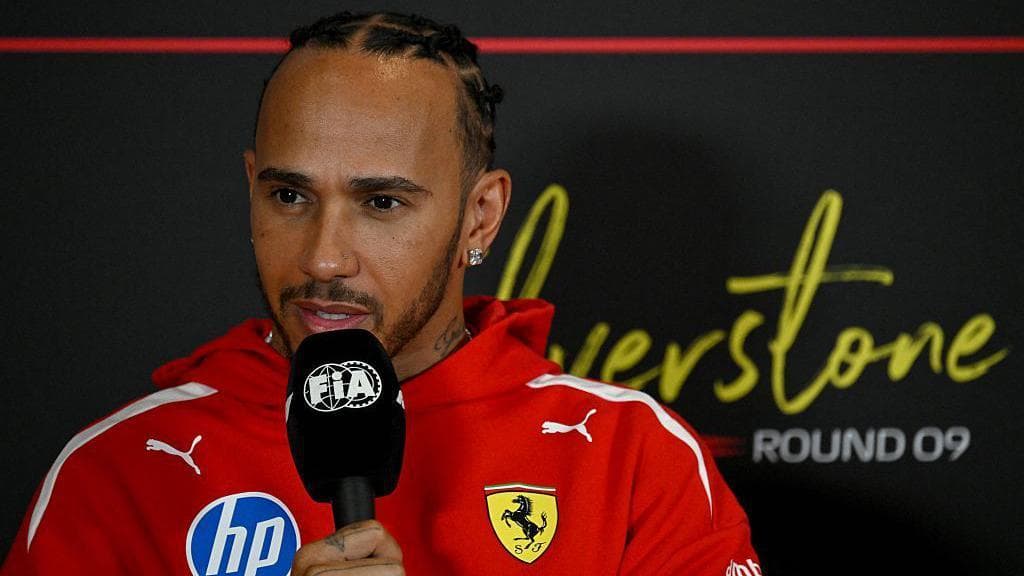
Japan’s horse racing boom fuels new Kentucky Derby hopes
Japan’s horse racing machine is turning patience and investment into Derby pressure, with a record 69 Triple Crown nominees and new hopes in Danon Bourbon and Wonder Dean.
Japan’s horse racing rise is no longer a novelty at Churchill Downs. It is a system, built over decades, that is sending more money, more horses and more ambition toward the Kentucky Derby, and it has already produced one of the sport’s most dramatic near-misses in Forever Young.
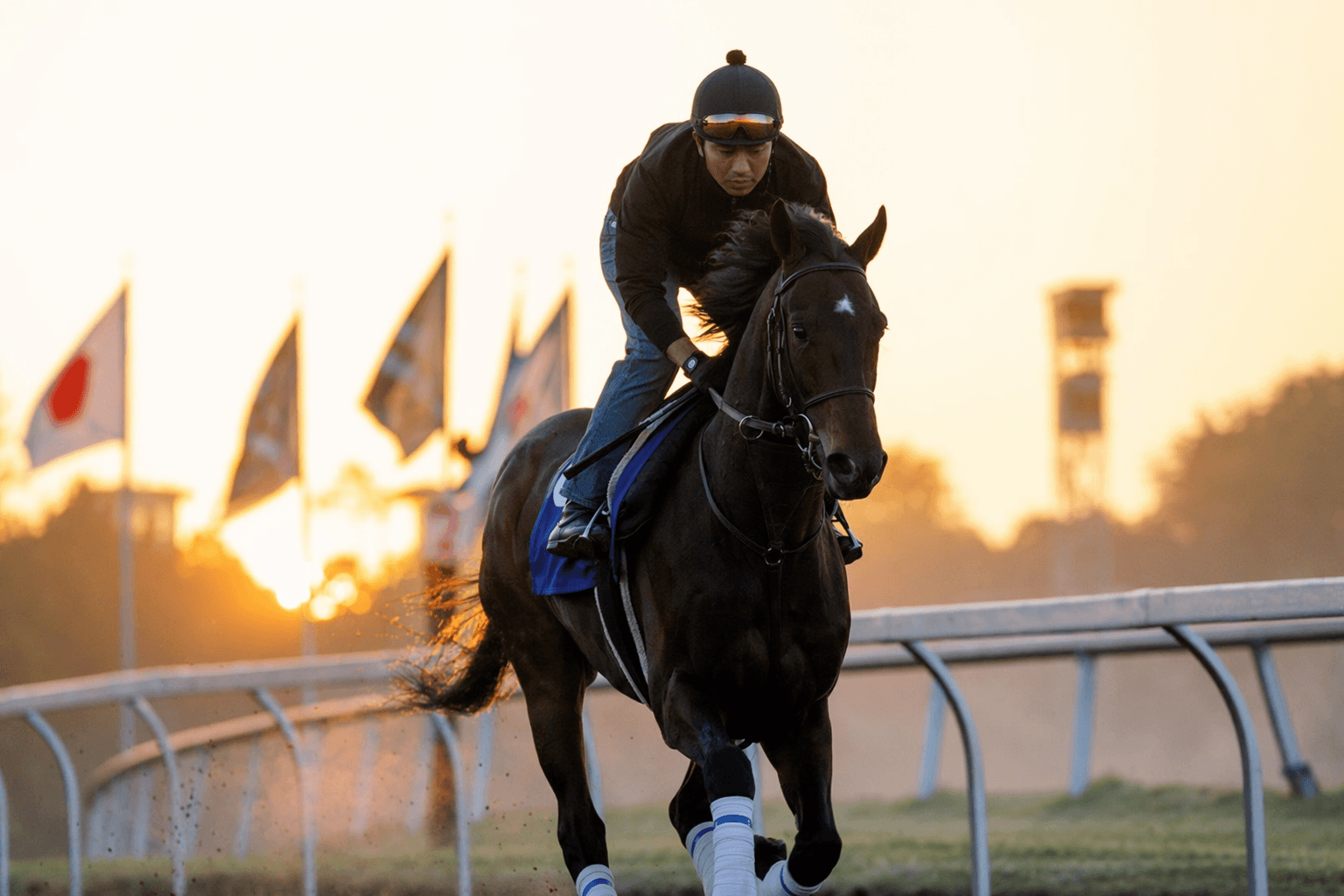
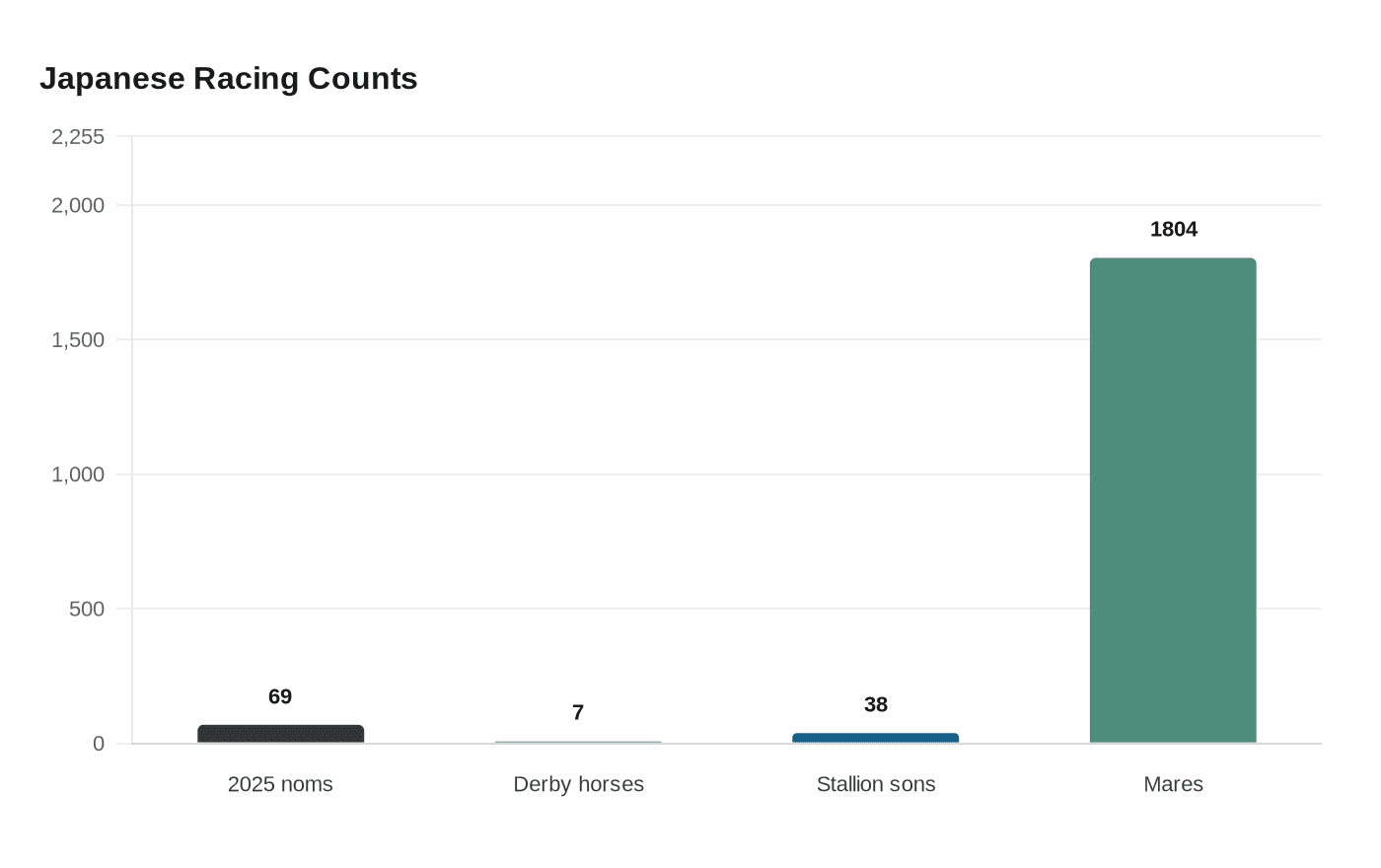
The latest push centers on Danon Bourbon and homebred Wonder Dean, two horses being watched as Japan’s next Derby hopefuls after Forever Young was denied in the 2024 Kentucky Derby by just two noses. Forever Young later became the first Japan-based winner of the Breeders’ Cup Classic in 2025, a milestone that underscored how far Japanese racing has come on dirt as well as turf. After that close call, a record 69 Japanese horses were nominated to the 2025 Triple Crown, and seven Japan-based horses competed in the Kentucky Derby from 2022 through 2025, with at least one every year.
The sport’s gains are tied to long-term investment rather than quick fixes. The Japan Racing Association created the Japan Cup in 1981 to raise the standard of Japanese thoroughbreds to world-class level, and the race still draws elite turf horses from North America, Europe, Oceania and Asia. The 2023 Japan Cup carried total prize money of ¥1,085,000,000, about US$8.28 million, a measure of how deeply Japanese racing has been financed to compete on a global stage.
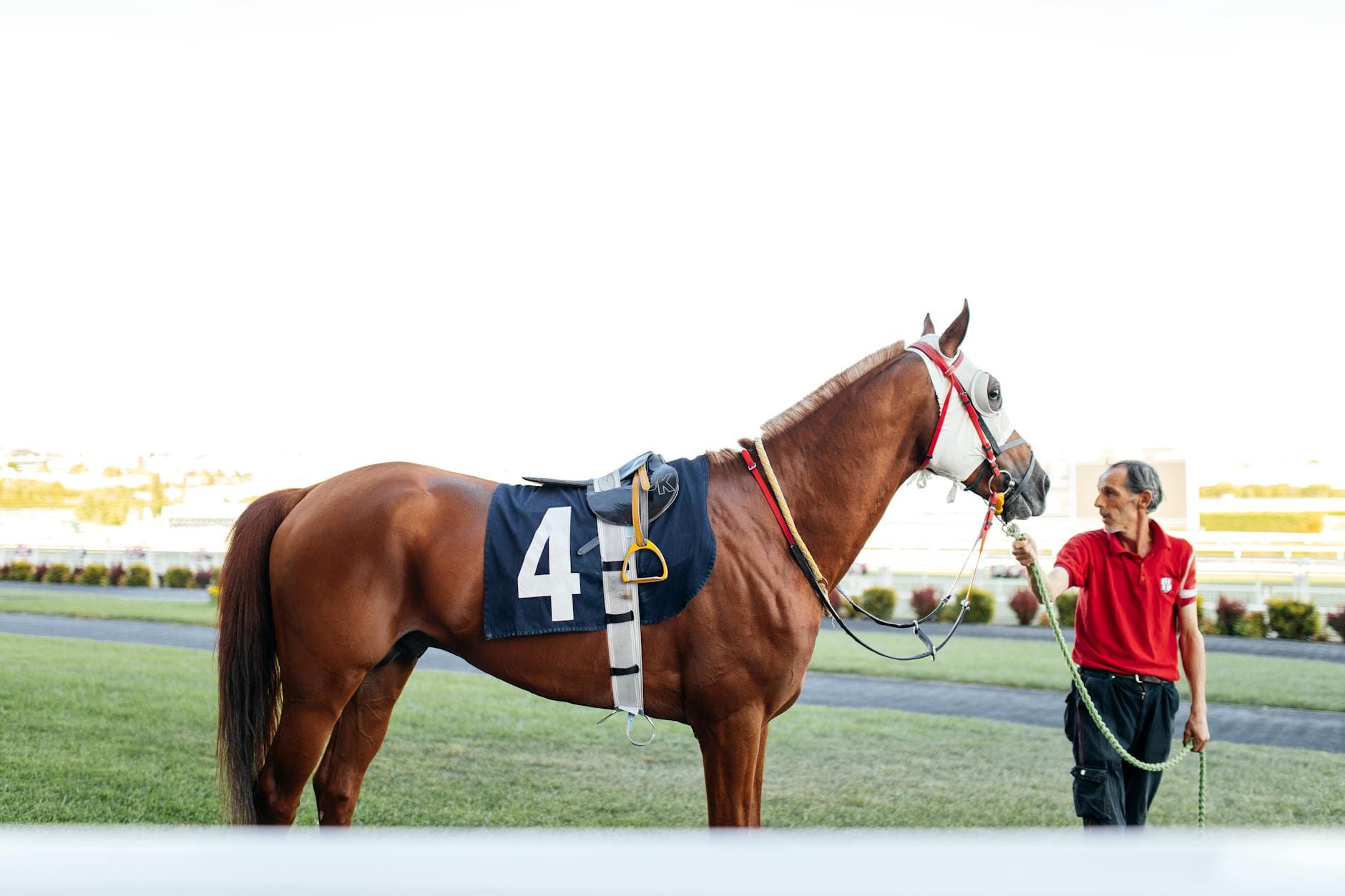
That breeding pipeline traces back to Sunday Silence, the 1989 Kentucky Derby, Preakness and Breeders’ Cup Classic winner exported to Japan, where he became the country’s leading sire for 13 consecutive years from 1995 through 2007. His influence carried through Deep Impact, who was Japan’s leading sire every year from 2012 through 2022 and left 38 stallion sons in the domestic breeding ranks. Japanese breeding covered 1,804 mares in 2024, evidence of an industry still expanding its base.
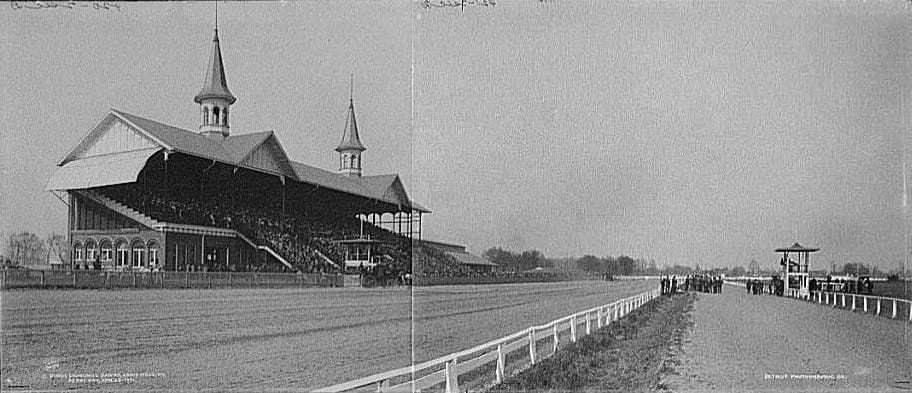
Hiroshi Ando, a racing manager, said Japanese ambitions are now fixed on Churchill Downs. “We are getting closer,” he said, adding that the Derby is “right now, if possible.” Tom Hashimoto, the Japan Racing Association’s New York representative office general manager, said Japanese racing developed “step by step” by learning from other countries, including Europe as well as the United States.
That measured climb has turned Japan into a genuine force in a sport long associated with America, just as U.S. racing confronts closures and the rise of legalized sports betting. Japan has taken a different path, pouring money into breeding, training and fan interest, and the result is an industry that can now challenge traditional powers on racing’s biggest days.
This article was produced by Prism’s automated news system from verified source data, official records, and press releases, then run through automated quality and moderation checks before publishing. The system is built and supervised by the people who set the standards it runs under. Read our full AI policy.
Did this article answer your question?