JDE Peet’s vows 100% responsibly sourced coffee by 2028 in TNFD-aligned plan
JDE Peet’s commits to 100% responsibly sourced green coffee by 2028 in a TNFD-aligned nature plan, aiming to protect ecosystems and strengthen farmer resilience.

JDE Peet’s has published a Nature Transition Plan titled "Grounded in Nature" that maps a pathway to 100% responsibly sourced green coffee by 2028. The plan, published January 29, 2026, aligns with the Taskforce on Nature-related Financial Disclosures (TNFD), the Global Biodiversity Framework and the Science-Based Targets for Nature (SBTN), and sets out measurable, time-bound actions to shield coffee landscapes and shore up farmer livelihoods.
The company reported a 2024 baseline of 83.2% responsibly sourced green coffee and is targeting full coverage within two years. To reach that goal JDE Peet’s will rely on recognized sustainability schemes and stepped-up supplier capacity building. The plan also commits to driving collective action to secure deforestation-free coffee beyond regulatory compliance, signaling tighter traceability and sourcing requirements from farm gate to green bean import.
A major operational pillar is expanding regenerative agriculture across an additional 200,000 hectares by 2030, an effort intended to improve soil health, biodiversity and water outcomes that directly affect cup quality and long-term yields. The plan positions agricultural practices, landscape restoration and farmer training as central levers to reduce climate and nature risks that can squeeze supply and raise prices down the line.
JDE Peet’s points to its Common Grounds programme as the platform for delivery. Common Grounds has reached nearly one million farmers since 2015 and will be scaled up to accelerate adoption of regenerative practices and sustainability certifications. Strengthened supplier capacity means more technical assistance, monitoring and incentives at origin, which will matter to exporters, coop managers and micro-roasters tracking traceability and provenance claims.
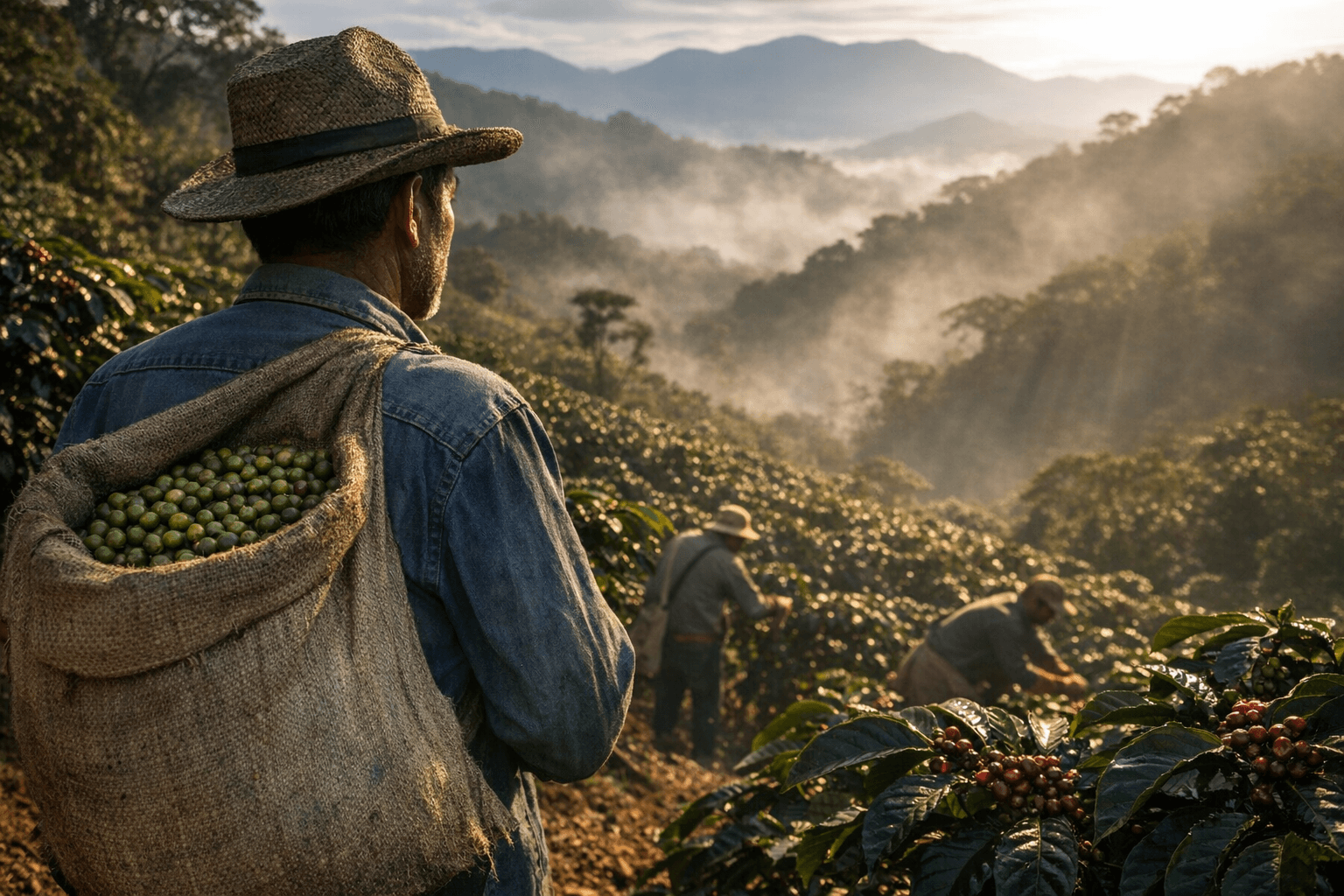
For roasters, importers and specialty cafes the plan signals a tighter focus on verifiable sourcing pathways and likely more granular disclosures on origin status. For farmers the commitments translate into expanded training, potential access to sustainability premiums and new agronomic practices designed to protect productive landscapes. Consumers can expect clearer labeling and supply-chain transparency as responsible sourcing climbs to 100 percent.
Positioning itself as the first food and beverage company to publish a nature transition plan fully aligned to TNFD, JDE Peet’s is calling for industry collaboration to scale impacts. For readers who follow bean-to-cup chains, the immediate takeaway is to watch supplier disclosures, look for updates from Common Grounds at origin, and prepare for evolving procurement standards and potential shifts in coffee availability as the sector adapts to nature-based requirements.
Know something we missed? Have a correction or additional information?
Submit a Tip