Jeffrey Epstein case exposes failures in money, power and justice
Palm Beach police began in 2005 after a 14-year-old’s parents complained, yet Epstein still won a secret federal deal and left a trail of unanswered questions.

The Justice Department is still releasing Epstein-related records, a sign that the central mystery has never been just Jeffrey Epstein’s crimes but the machinery that let him move through police scrutiny, federal bargaining and elite circles with so little consequence. Palm Beach police opened an investigation in 2005 after the parents of a 14-year-old girl said Epstein had paid her for a massage. A Palm Beach County grand jury indicted him on July 19, 2006, for felony solicitation of prostitution, but the case did not end there.
Instead, federal prosecutors in the Southern District of Florida negotiated a non-prosecution agreement in 2007 and 2008 that the Justice Department later said was intended to close the federal investigation. The department’s 2020 Office of Professional Responsibility review concluded that prosecutors failed to consult victims before the agreement was signed and then misled them about what had happened. That review put the focus squarely on institutional failure: not only how Epstein escaped the full force of federal prosecution, but how victims were kept out of the process while the government cut a deal that protected him.
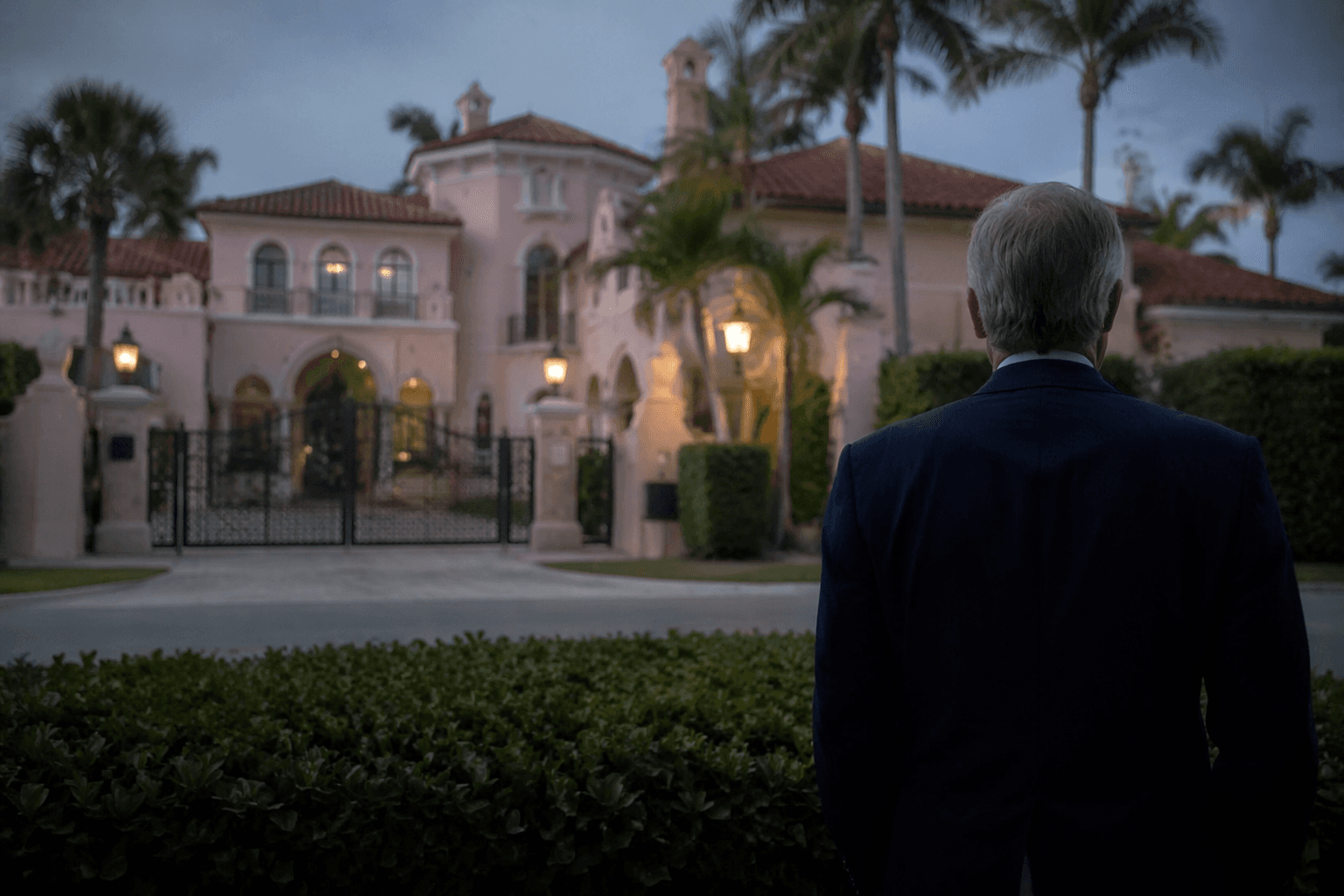
Epstein entered a guilty plea on June 30, 2008, in state court in Palm Beach County, but the larger questions never went away. His wealth and access kept the case alive as a symbol of how money, status and weak oversight can blunt accountability. The issue was not simply one bad actor in Palm Beach. It was the repeated failure of prosecutors, investigators and other gatekeepers to treat the allegations with the urgency they demanded.
The federal case resurfaced in New York on July 2, 2019, when Epstein was indicted in the Southern District of New York on one count of sex trafficking conspiracy and one count of sex trafficking. He was arrested on July 8, 2019, detained pending trial, and died in federal custody on August 10, 2019. After his death, the case was formally dismissed by nolle prosequi on August 29, 2019, but the damage to public confidence had already been done. At an August 27, 2019, hearing, 23 women gave victim-impact statements in open court, describing trauma, anger and the long delay in accountability.
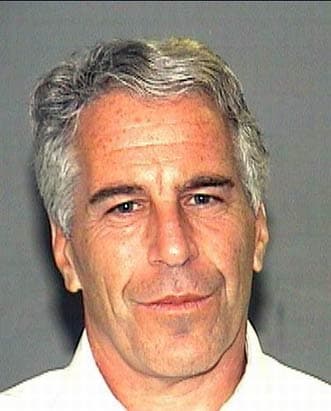
That record still matters because the government has not closed the book. The Justice Department’s Epstein Library, updated as of June 1, 2026, consolidates releasable materials under the Epstein Files Transparency Act, with redactions to protect victims’ identities. The continuing releases suggest that the biggest unanswered questions are not about whether Epstein abused power, but how many institutions saw warning signs and failed to act.
This article was produced by Prism’s automated news system from verified source data, official records, and press releases, then run through automated quality and moderation checks before publishing. The system is built and supervised by the people who set the standards it runs under. Read our full AI policy.
Know something we missed? Have a correction or additional information?
Submit a Tip