Jessica Pegula Emerges as Key Organizer in Tennis Prize Money Fight
Jessica Pegula is quietly organizing a broader Grand Slam labor push, using her ownership background to press tennis’s money gap. Players want more than prize money, and Roland-Garros is becoming the test.
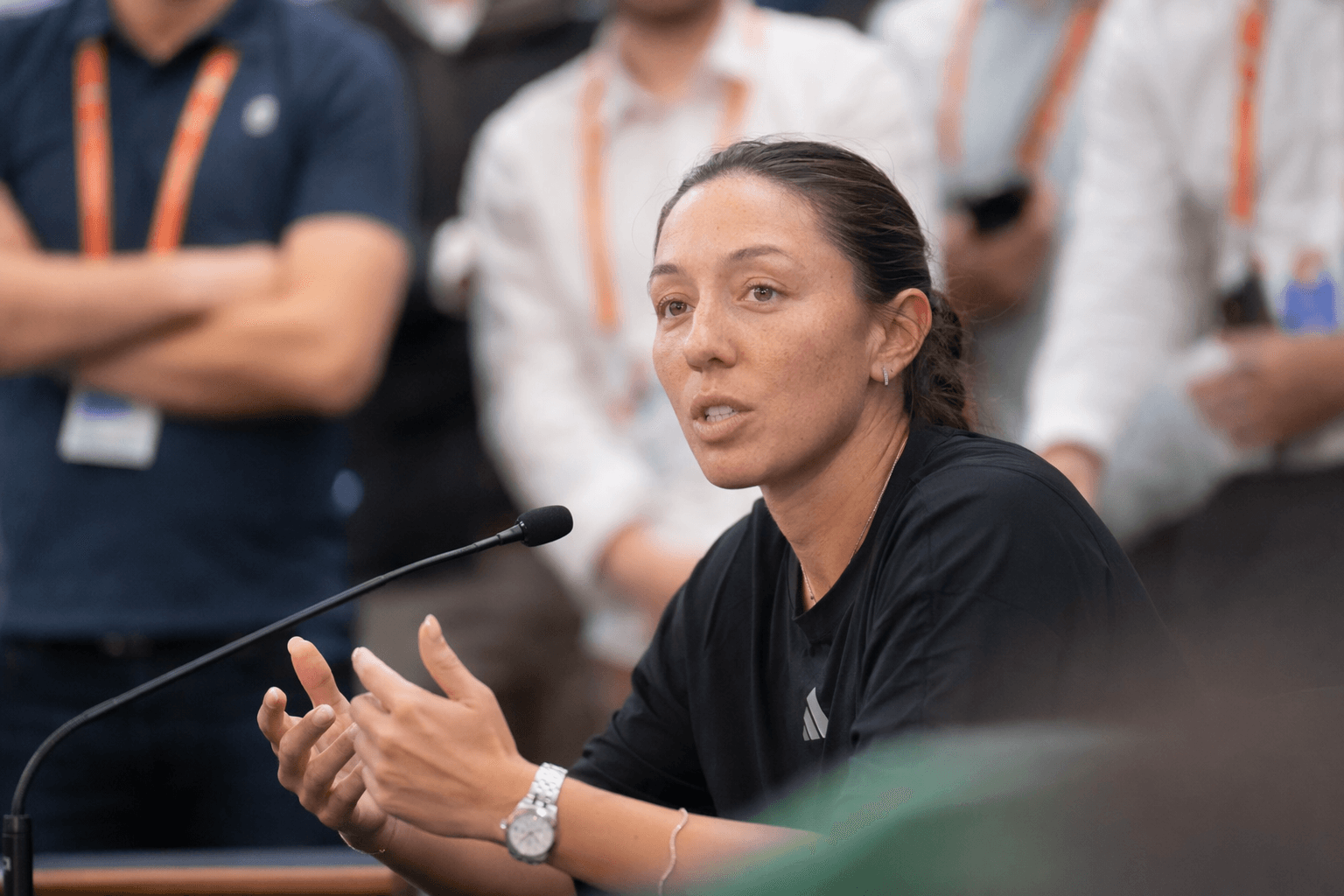
Jessica Pegula has become one of the most important organizers in tennis’s widening labor fight, a role that carries unusual weight because she knows both the locker room and the business side of major sports. While attention has centered on boycott talk from Aryna Sabalenka and Jannik Sinner, Pegula has been reaching out to players on both the men’s and women’s sides to line up support for a protest over how much Grand Slam revenue flows back to athletes.
The dispute has sharpened around Roland-Garros, where the French Tennis Federation says 2026 total prize money will be 61.7 million euros, up about 9.53% from 2025 and roughly 45% since 2019. Players say the bigger issue is not the headline increase but the share of revenue behind it. Their statement says Roland-Garros players received 15.5% of revenue in 2024, and that figure is projected to fall to 14.9% in 2026.
The demands now go beyond prize money. Players are also pushing for better representation, health options and pensions from the four Grand Slams, a list that includes the Australian Open, Wimbledon, the US Open and Roland-Garros. Coco Gauff said major progress usually takes a union and that players need to act collectively. Elena Rybakina said she would follow the majority if players chose to boycott, while also pointing to taxes on prize money as another major issue. Sabalenka has said a boycott may ultimately be the only way to fight for players’ rights.
Pegula’s credibility comes from her own background. Her parents, Terry and Kim Pegula, own the Buffalo Bills and Buffalo Sabres, giving Jessica Pegula a rare perspective in tennis on how ownership, revenues, benefits and pensions are structured in other major leagues. She was also named earlier in 2026 to lead a new 13-person panel on women’s tennis calendar and rankings issues, further underlining her position as a bridge between players and the sport’s power structure.
The tension also echoes a deeper history in tennis labor activism. Billie Jean King and eight other women signed $1 contracts and joined the Virginia Slims Circuit in 1970 to protest unequal prize money, helping launch the WTA and setting a precedent for organized player action. The current campaign cuts across ATP and WTA stars in a way that earlier fights did not.
Tournament economics remain part of the pressure point. Wimbledon’s 2025 prize money reached a record £53.5 million, the US Open became the first tennis event to offer $90 million in total player compensation in 2025, and the Australian Open said its 2026 prize pool would be AUD 111.5 million, nearly 16% higher than 2025. Against that backdrop, the French Tennis Federation has defended Roland-Garros as a non-profit model, saying all revenue is reinvested into the tournament and tennis development in France and internationally. The Professional Tennis Players Association says the fight shows why tennis governance needs deeper reform. With Roland-Garros set to begin May 24, the question is whether Pegula’s organizing turns a familiar prize-money complaint into a broader challenge to how tennis divides its money and power.
This article was produced by Prism’s automated news system from verified source data, official records, and press releases, then run through automated quality and moderation checks before publishing. The system is built and supervised by the people who set the standards it runs under. Read our full AI policy.
Did this article answer your question?
.jpg&w=1920&q=75)