Jessie Buckley says theatre and music saved her during teenage eating disorder
On BBC Radio 4's Desert Island Discs, Buckley said music, theatre and acting pulled her through teenage depression and an eating disorder, shaping her recovery.
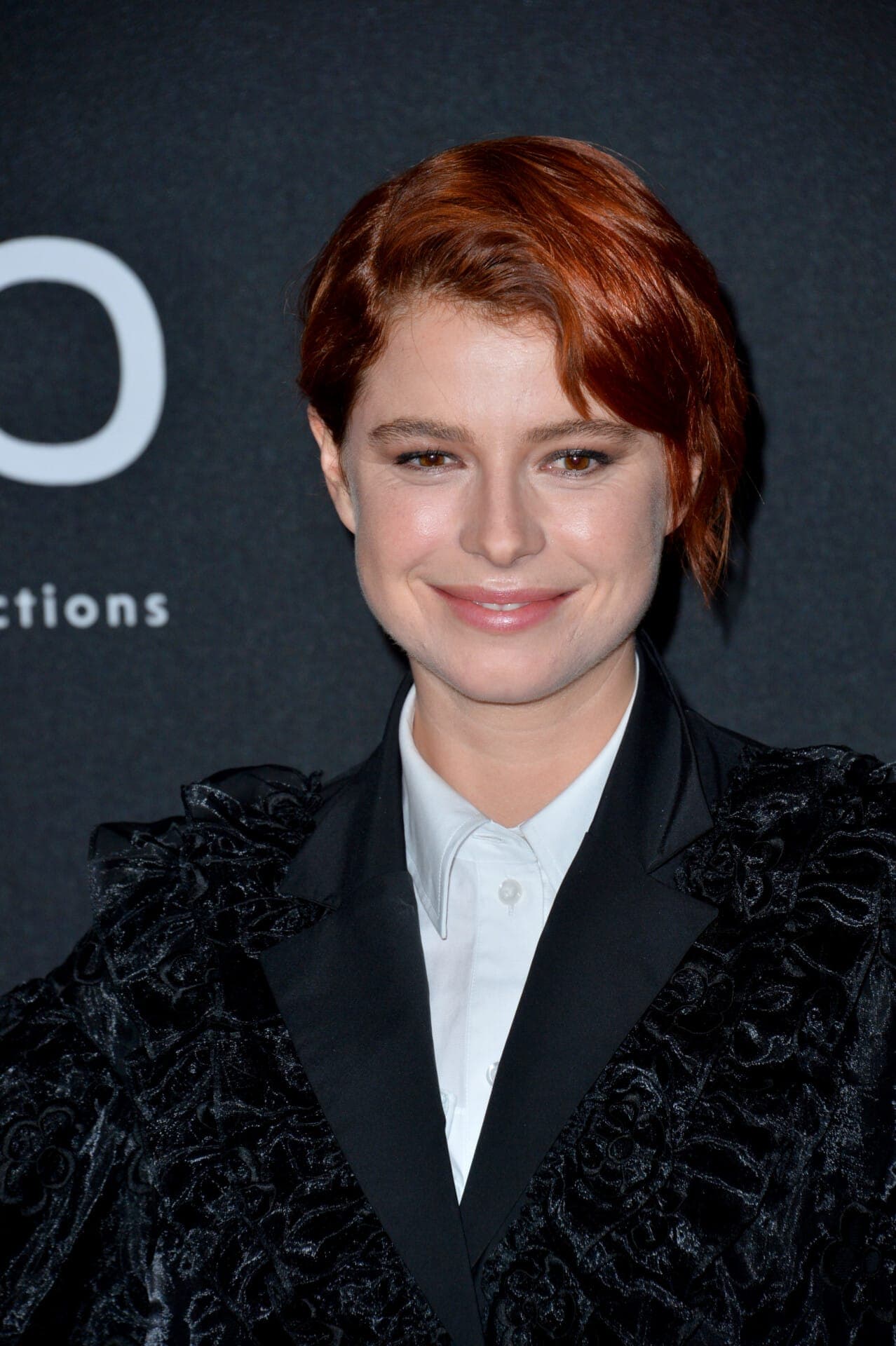
On BBC Radio 4’s Desert Island Discs, Jessie Buckley, 36, said she struggled with depression and an eating disorder in her teens and credited music, theatre and acting with pulling her back from the brink. The conversation with host Lauren Laverne, published in early March 2026, framed Buckley’s rise from reality-show participant to awards-season figure as inseparable from a personal recovery that the arts helped sustain.
Buckley, from Killarney in County Kerry, described performance as elemental to her life. “It was like drinking water, you know? I just think, the more I did it, the more I realised this is essential to me,” she told Desert Island Discs. She said she once feared she might not survive if she lost access to music and theatre: “I think there were moments where I was like, ‘if I don’t get better here, this music, this being part of theatre – I’m not going to be able to do this any more, and I probably won’t survive’.”
The revelation comes at the height of Buckley’s public profile. Her portrayal of Agnes Hathaway in the film adaptation of Maggie O’Farrell’s Hamnet has won a Golden Globe and a BAFTA and made her a leading contender for the Academy Award for Best Actress. She is also a Mercury Music Prize nominated singer, a crossover that helps explain why her testimony about music and stagecraft carries particular force across film, theatre and music industries.
Buckley traced the roots of her commitment to early experiences on stage, including an episode in which she said her appendix almost burst during a performance and she refused to leave until the show was over. The episode, she said, helped her recognise that acting was “essential” and “like water to me.” Her early public exposure, via the BBC talent show I’d Do Anything, also left scars; she has discussed being criticised for her appearance in a January interview with British Vogue, and she described moving to London as a time when she “still wasn’t out of the woods.”
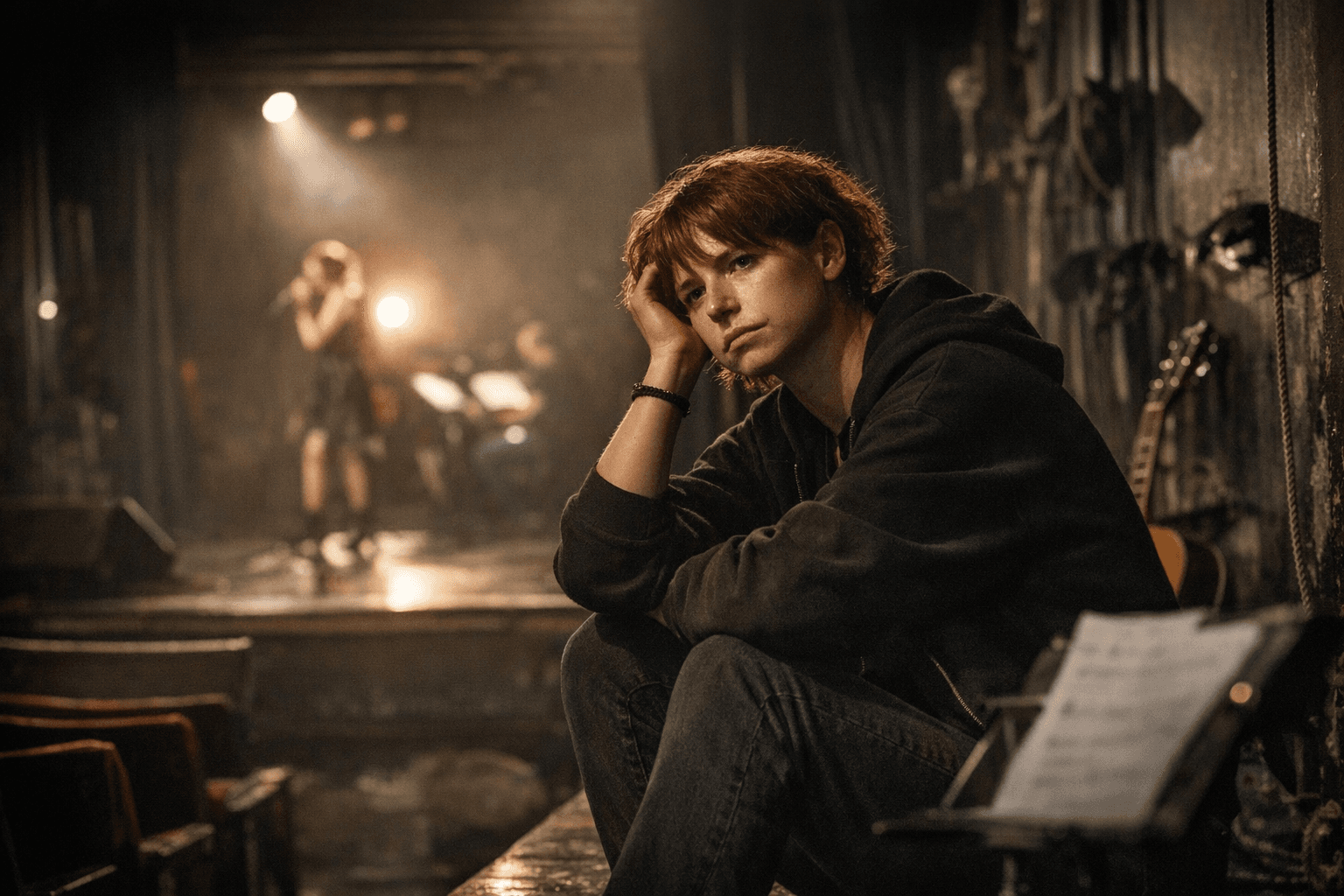
Beyond personal disclosure, Buckley’s account has broader cultural and industry implications. Her candour intervenes in a long-running public conversation about body image, mental health and the pressures of visibility that reality television can impose on young performers. For awards-season marketing, the narrative of an artist who has converted vulnerability into artistic fuel reframes her work as not only technically accomplished but emotionally authentic, a combination that often resonates with voters and audiences.
Her testimony also functions as a policy argument. If theatre and music are lifesaving for a performer, funders, educators and venue operators have a stake in preserving those pathways. Theatres, regional music programmes and artist welfare initiatives now have an unexpected spokesperson for the public-good case for arts funding and support services, at a moment when cultural budgets and touring infrastructures are under strain.
Buckley closed the interview by refusing to sentimentalise the struggle: “But I do not for a second regret it, and I think I’ve been able to transform it and recognise our vulnerabilities as humans in the world.” That framing — of vulnerability as source material rather than stigma — may reshape how the industry markets talent, supports artists and argues for the social value of live performance.
This article was produced by Prism’s automated news system from verified source data, official records, and press releases, then run through automated quality and moderation checks before publishing. The system is built and supervised by the people who set the standards it runs under. Read our full AI policy.
Did this article answer your question?

