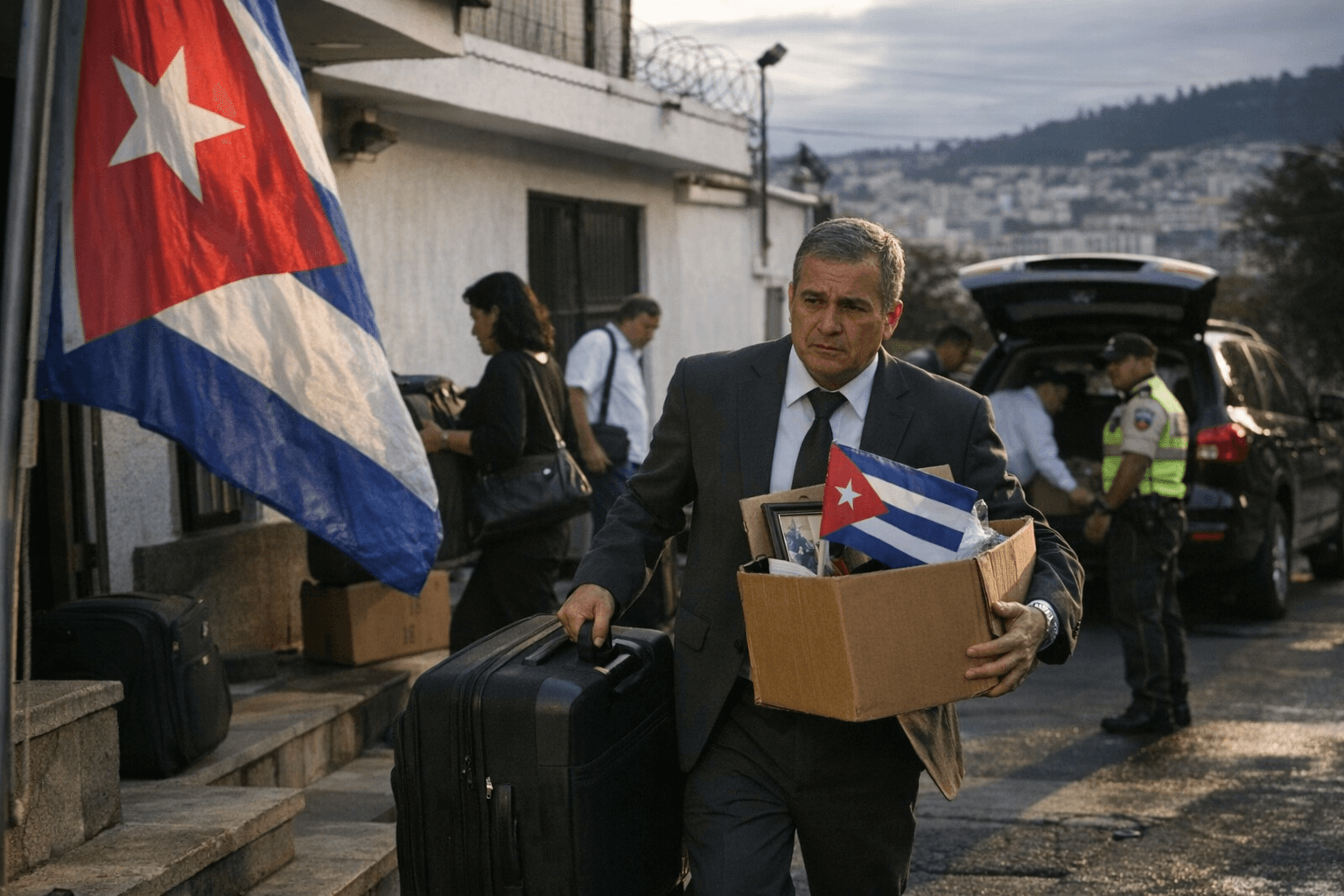
Jet fuel shortage forces Cuban airports to cut flights through April 10
Cuban aviation authorities told airlines the jet fuel shortage will run until April 10; Air Canada has suspended Cuba service and plans to repatriate about 3,000 customers.
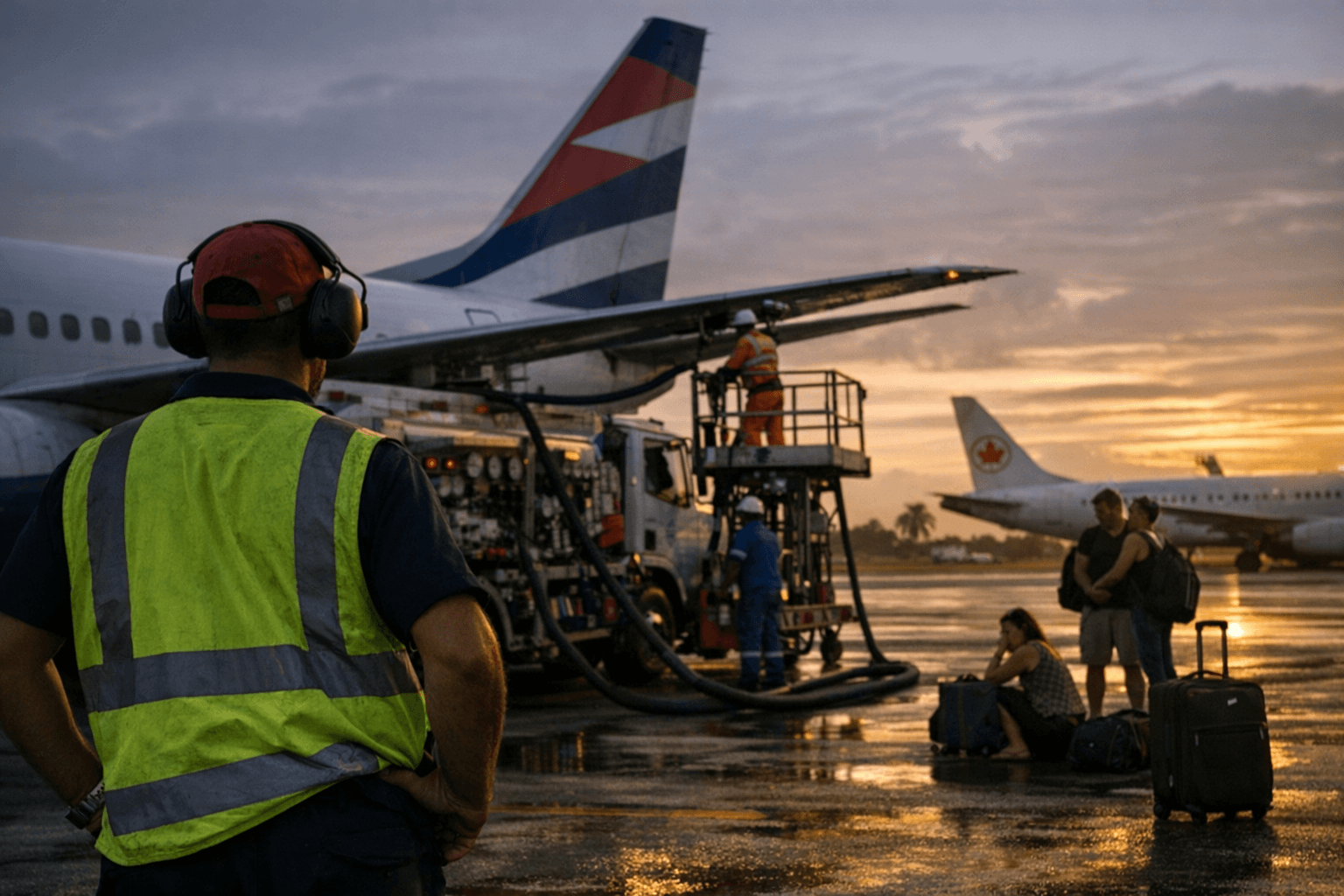
Cuban aviation authorities told airlines on Tuesday that a jet fuel shortage would be extended until April 10 as the United States persists with an energy blockade on the country. The announcement has already forced carriers to adjust schedules and, in at least one case, suspend service: Air Canada has suspended flights to Cuba, will repatriate some 3,000 customers, and its roughly 16 weekly flights to four Cuban destinations from Toronto and Montreal are on hold.
The disruption follows an earlier aviation notice from Havana’s José Martí International Airport that said “from February 10 at 05:00 UTC until at least March 11 at 05:00 UTC, Jet A-1 aviation fuel would not be available at any of Cuba’s nine international airports.” The nine airports named in that NOTAM are Havana (José Martí), Varadero, Cienfuegos, Santa Clara, Camagüey, Cayo Coco, Holguín, Santiago de Cuba and Manzanillo.
Airlines are responding unevenly. American Airlines said it will continue routes to Cuba but is “reducing our Miami (MIA)-Havana (HAV) service between February 19 and March 28 from six to up to five daily flights” and will monitor the situation. Iberia will keep flying Madrid–Havana while adding a refueling stop in the Dominican Republic and has “issued a travel waiver so passengers can delay their travel dates through the end of March at no extra charge.” Aeromexico continues its flights to Cuba, while WestJet and Air Transat have not yet suspended service. Several carriers have maintained limited service by routing to alternate airports to refuel elsewhere.
Supply lines for Jet A-1 are strained by Cuba’s reliance on Venezuela, where exports became “sparsely available” from mid-December after U.S. actions affected shipments. Rolling blackouts and broader energy shortfalls are complicating operations on the ground: “jet fuel constraints — and the knock-on impact of frequent power outages — are making flights the most fragile part of the travel chain and elevating t,” an industry analysis published on March 2 noted. Cuban Foreign Minister Bruno Rodríguez Parrilla has said Cuba has “the absolute right to import fuel” from any willing exporter “without interference or subordination to the unilateral coercive measures of the United States.”
Governments and advisers are already shifting guidance. Canada’s travel advisory, updated February 19, warns: “Avoid non-essential travel to Cuba due to worsening shortages of fuel, electricity, and basic necessities including food, water, and medicine,” and notes fuel availability “has decreased, is difficult to predict, and may disrupt ground transportation.” Industry guidance suggests travelers who are risk-averse or traveling with young children or people with medical needs should consult their airline or tour operator about alternatives until the situation stabilizes.
There is a clear timeline gap to resolve: an initial NOTAM covered February 10–March 11, while aviation authorities have since told airlines the shortage may stretch through April 10. The operational outlook now depends on whether a follow-up NOTAM formalizes the extension and on the pace at which Jet A-1 stocks, procurement channels and supplier and insurer confidence can be restored.
Know something we missed? Have a correction or additional information?
Submit a Tip