Jet fuel spike from Iran war raises U.S. wildfire flight costs sharply
Jet fuel has nearly doubled, and wildfire aviation bills could jump by tens of millions just as peak fire season arrives.
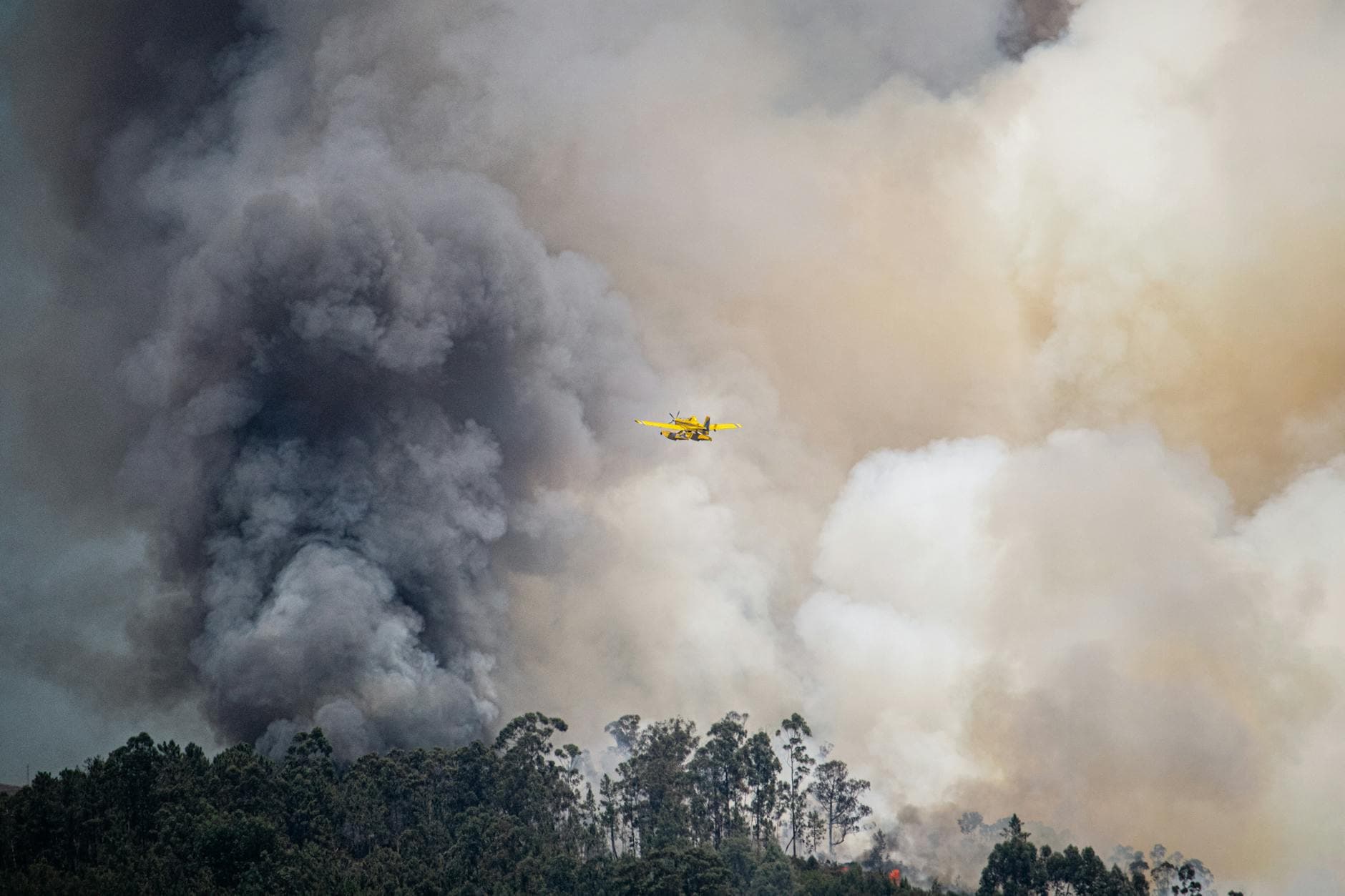
A surge in jet fuel prices tied to the Iran war is poised to push up the cost of U.S. wildfire aviation just as the country enters its most dangerous fire months. The increase could add tens of millions of dollars to aircraft operations this summer, putting new pressure on federal and state suppression budgets that already run into the billions.
The U.S. Forest Service says planes and helicopters are critical tools in wildfire management, but aircraft alone cannot put fires out. They slow fires, drop retardant or water, move firefighters and provide reconnaissance. Federal agencies are responsible for managing roughly 200 to 300 wildland fire aircraft, many of them contractor-owned or under contract and positioned at airports across the country before fire activity peaks.
That fleet can be expanded with local and state resources or through call-when-needed contracts, according to the National Interagency Fire Center. But those options do not make the system cheap. Forest Service research has long said aviation resources are among the costliest parts of large-fire suppression, and that aircraft are the single highest-cost resource on a large wildfire.
The budget stakes are already steep. The National Interagency Fire Center’s suppression-cost table shows a 10-year federal average of about $2.52 billion a year. The Forest Service says its fiscal year 2023 suppression activity costs reached $2.7 billion, including prior-year carryover and recoveries. If fuel-driven aviation costs rise sharply, officials may have to absorb the difference inside those already tight numbers or trim other operational spending.
The pressure is especially acute because aircraft pricing is directly tied to fuel. A 2023 Forest Service aviation report and related contract documents show hourly helicopter flight rates and fuel-consumption assumptions embedded in contract pricing. That means higher fuel prices can ripple through both helicopter and airtanker bills, not just at the pump but in the rates agencies pay to keep aircraft available when fires explode.
The strain could also reach the Modular Airborne Fire Fighting System, the military-backed surge fleet known as MAFFS. The National Interagency Fire Center says MAFFS aircraft are activated only when all commercial airtankers are fully committed or not readily available. Created by Congress in the early 1970s as a joint program between the Forest Service and the Department of Defense, MAFFS is meant to fill gaps when the system is under stress, not to replace the commercial fleet.
As wildfire seasons grow longer and more expensive, the harder question is what gets delayed when flight costs climb. That could mean fewer training flights, tighter contractor use, slower response to emerging fires, or reduced flexibility when aircraft must be shifted fast from one incident to another. In a suppression system already built around scarce planes, scarce crews and rising risk, pricier jet fuel lands as a direct operational problem, not an abstract market shock.
This article was produced by Prism’s automated news system from verified source data, official records, and press releases, then run through automated quality and moderation checks before publishing. The system is built and supervised by the people who set the standards it runs under. Read our full AI policy.
Did this article answer your question?

