Jihadist militants launch coordinated attacks across Mali, targeting Bamako and military sites
Gunfire and explosions struck Bamako, Kati and four other cities in a rare, synchronized assault that Mali’s army said killed several hundred attackers. The airport shut down as embassies told civilians to shelter.
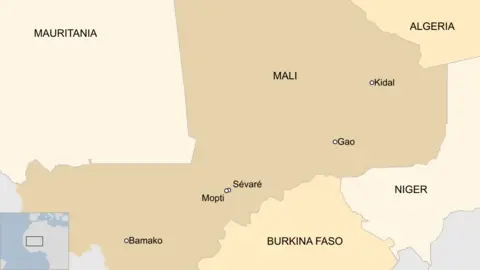
Jihadist militants carried out one of the most coordinated assaults Mali has faced in years, hitting the capital, a key barracks town and military sites across the country in a sign that insurgent networks may be probing deeper into the state’s center of gravity.
The attacks struck Bamako, Kati, Mopti, Sevare, Gao and Kidal, with witnesses reporting clashes in the center and north and sustained gunfire before dawn. Near Kati, two explosions and heavy firing were heard shortly before 6 a.m., in a town that houses Mali’s main military base and the residence of military ruler Gen. Assimi Goita. The house of Defence Minister Sadio Camara in Kati was reported destroyed.
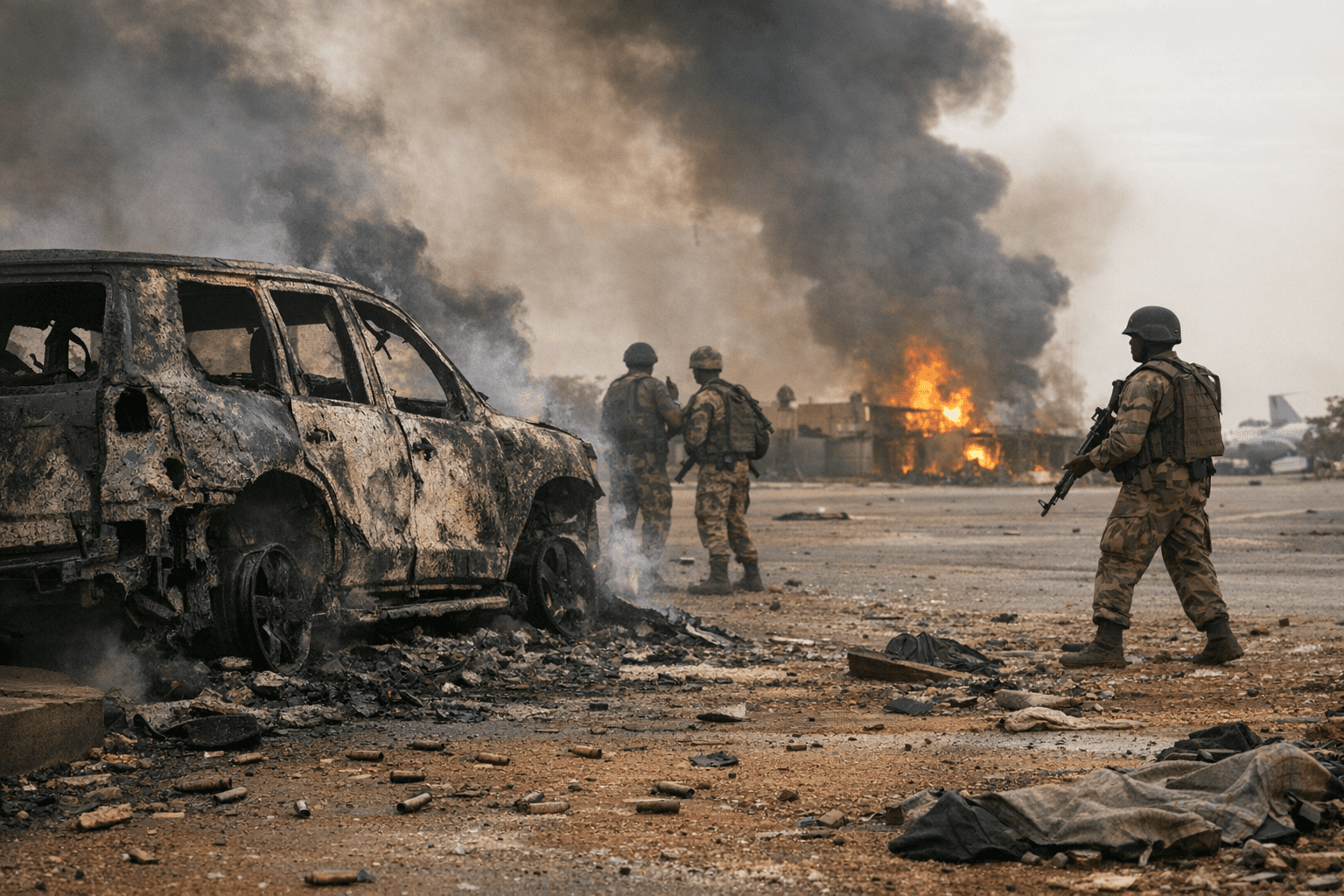
Jama'at Nusrat al-Islam wal-Muslimin, known as JNIM, claimed responsibility and said it had acted jointly with the Tuareg-led Azawad Liberation Front, or FLA. The claim could not be independently verified, but the scope of the operation suggested a level of planning and reach that went beyond the isolated attacks Mali has endured in recent years. Mali’s army said it repelled the assault, killed "several hundred" assailants and launched sweeping operations in Bamako, Kati and elsewhere. Later, it said the situation was under control.
The airport in Bamako, Modibo Keïta International Airport, was closed after heavy gunfire and helicopter activity were reported nearby, about 15 kilometres from the city center. Flights were turned back or cancelled. The U.S. Embassy in Bamako told citizens to shelter in place and avoid travel near Kati and the airport, while British authorities also advised against travel to Mali.
Analysts said the choice of targets was striking. Ulf Laessing of the Konrad Adenauer Foundation said the assault looked like the biggest coordinated attack in years. Heni Nsaibia of ACLED said Kati and Bamako sit at the heart of the regime, while Kidal carries symbolic weight after a military victory there in 2023. That combination of symbolic and strategic targets points to more than a hit-and-run raid; it suggests militants are testing whether they can unsettle the army, disrupt movement in the capital and chip away at civilian confidence in the military government.
The African Union condemned the attacks as putting civilians at significant risk, underscoring the wider fallout for a country already strained by years of fighting involving al Qaeda and Islamic State affiliates, along with a northern rebellion that has shaped Mali’s politics since the collapse of the 2015 peace deal.
Know something we missed? Have a correction or additional information?
Submit a Tip