Jill Biden says she saw no cognitive decline in Joe Biden
Jill Biden said she saw no cognitive decline in Joe Biden, but his pardon of Hunter still exposes how private loyalty collided with public ethics.
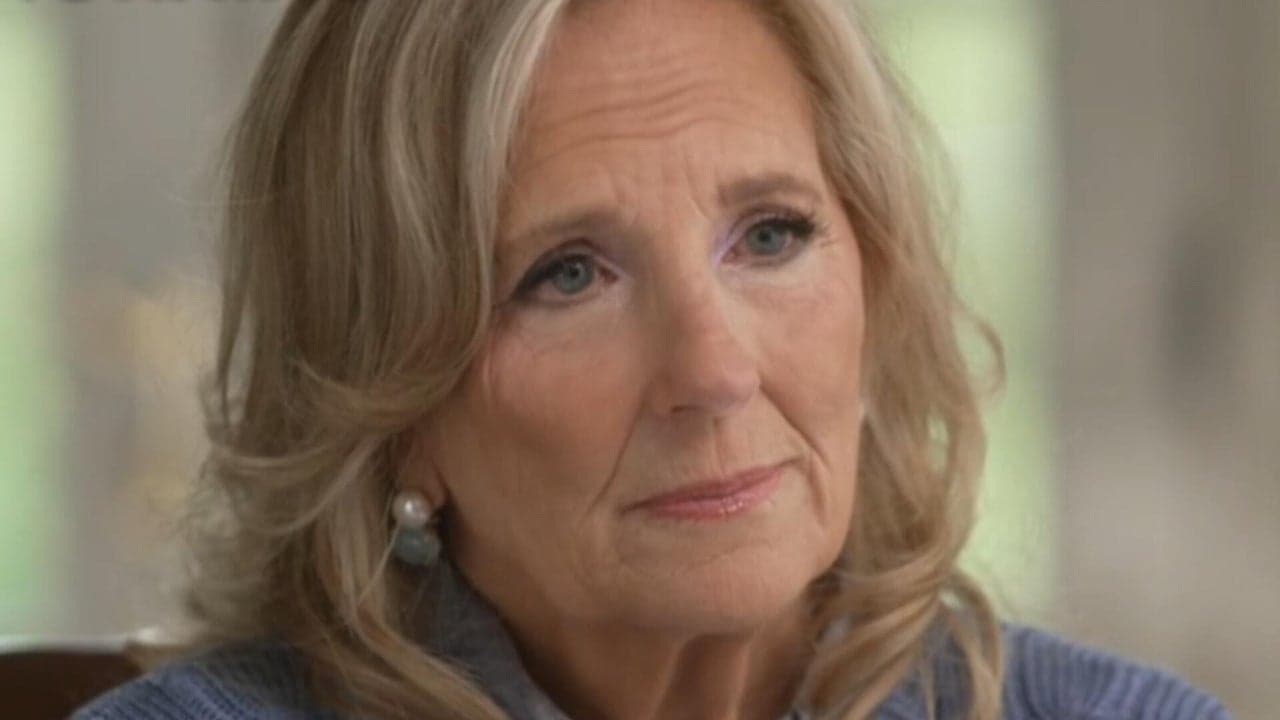
Jill Biden said she saw no signs that Joe Biden was in cognitive decline during his presidency, even as she described him as “slowing down” and said his prostate cancer diagnosis was “shocking.” Her remarks, in a preview of a CBS Sunday Morning interview with Rita Braver, put new personal testimony into a debate that has never been only about family illness. It is also about presidential judgment, clemency, and the line between private loyalty and public responsibility.
CBS News said the full interview will air Sunday, May 31, 2026, at 9 a.m. ET on CBS stations and Paramount+. In the preview clips released Thursday, Jill Biden also returned to the most politically explosive decision of Joe Biden’s final months in office: the pardon of Hunter Biden. She said she “truly supported” the decision and said the family did not want Hunter Biden to go to jail under President Donald Trump’s administration.
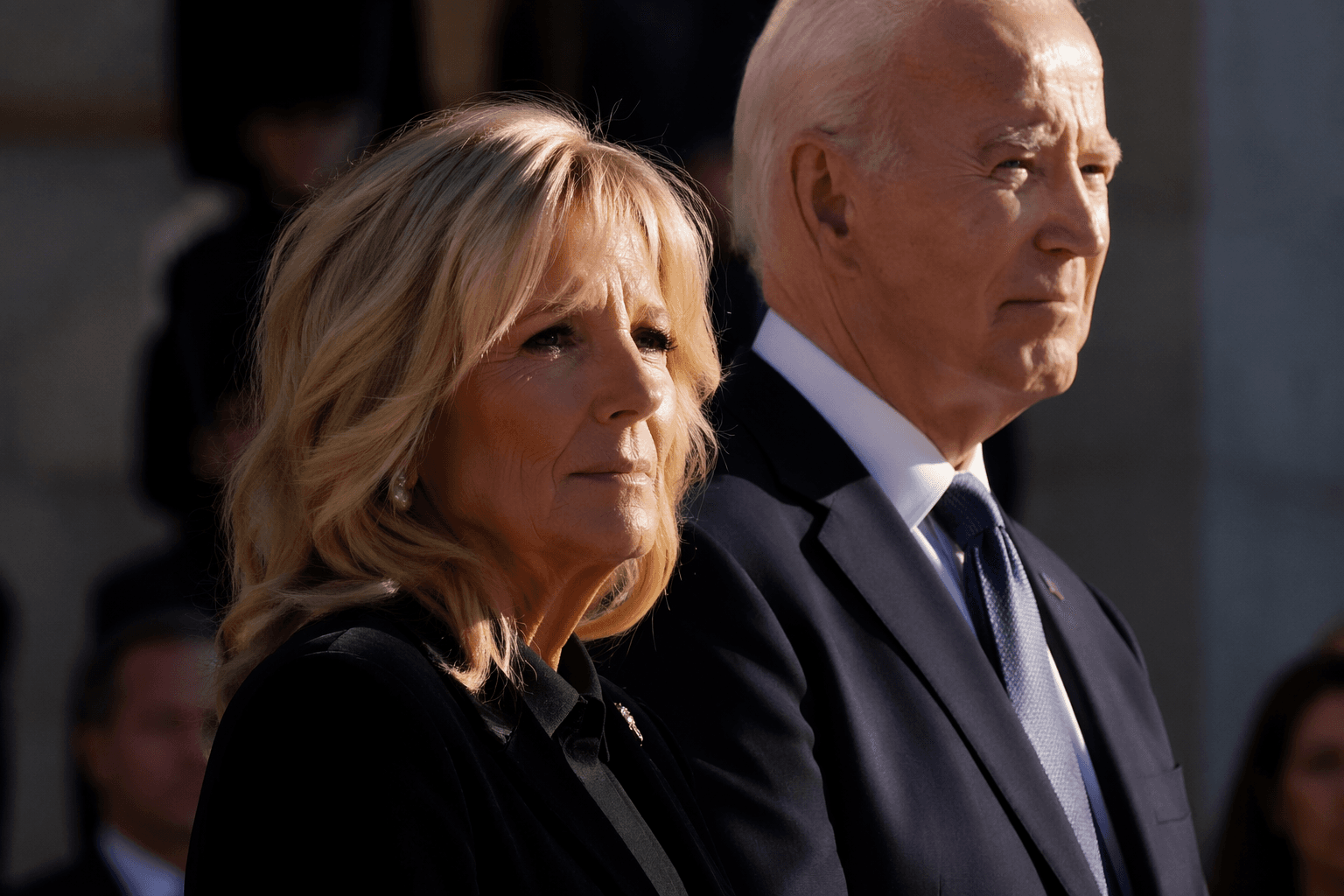
The pardon itself was sweeping. Joe Biden signed it on December 1, 2024, and it covered offenses Hunter Biden “has committed or may have committed or taken part in” from January 1, 2014 through December 1, 2024. CBS News reported that the pardon was full and unconditional and included offenses charged or prosecuted by Special Counsel David C. Weiss. The scope mattered as much as the act itself, because it erased the risk of future federal prosecution over a decade of conduct rather than narrowing relief to a single case.
That choice drew immediate bipartisan backlash in December 2024, with Republicans and some Democrats condemning the move as a self-protective use of executive power. Joe Biden defended it by saying Hunter had been “selectively, and unfairly, prosecuted.” Jill Biden’s comments now reopen that conflict from a different angle: not whether a father can protect a son, but whether presidential clemency can be separated from political damage control when the White House is defending both the man and the institution.
Her remarks also place the pardon back into the larger history of the Biden presidency, where health, discretion, and family obligation often intersected under intense scrutiny in Washington. By saying she saw no cognitive decline, Jill Biden is pushing back on one of the most consequential questions surrounding Joe Biden’s time in office. By defending the pardon, she is underscoring how personal decisions made inside the White House can still reverberate as tests of public ethics long after the papers are signed.
This article was produced by Prism’s automated news system from verified source data, official records, and press releases, then run through automated quality and moderation checks before publishing. The system is built and supervised by the people who set the standards it runs under. Read our full AI policy.
Did this article answer your question?

