Joanna Stern’s new book explores a year of letting AI run life
Joanna Stern’s new book follows a year of handing chores, health decisions and family travel to AI, testing whether consumer robots can deliver more than hype.
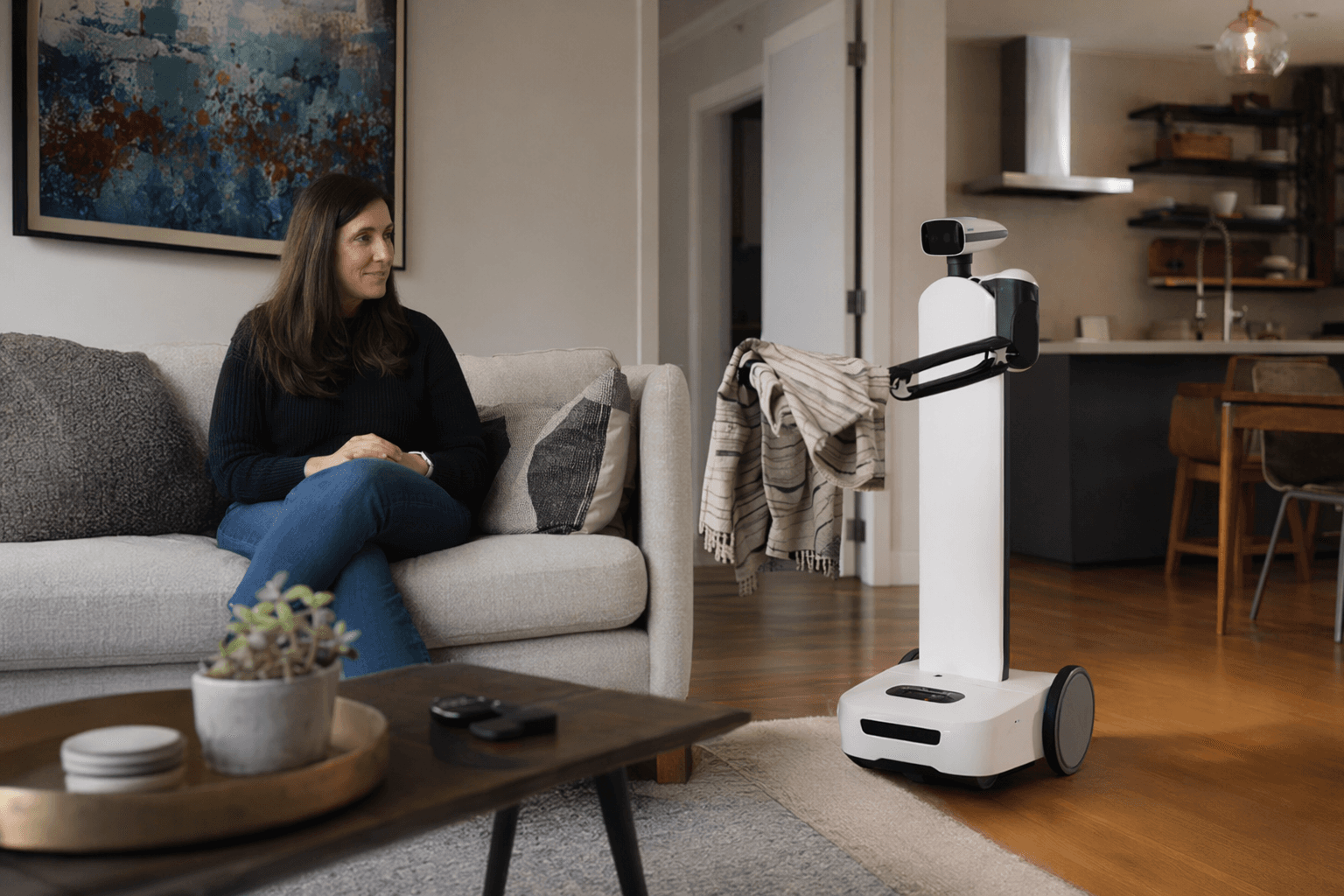
Joanna Stern has spent much of her career covering the future of personal technology, and her new book asks what happens when that future gets pushed into ordinary life. I Am Not a Robot: My Year Using AI to Do (Almost) Everything, published by Harper on May 12, 2026, follows Stern through a year of handing household chores, health management and even family vacation logistics to AI tools and robots.
The project is less a victory lap for machine intelligence than a close look at how awkward, useful and incomplete these systems still are inside a home. Stern spent a year surrendering decisions and tasks to AI, then pulled back with a clearer view of where consumer robots can save time and where they add friction, privacy worries and emotional complexity. The book also includes exclusive interviews with tech leaders building the AI future, giving the narrative a direct line between the products on the market and the people designing what comes next.
That combination is likely to resonate well beyond the tech crowd. For many families, AI is no longer a distant concept but a set of tools arriving in kitchens, bedrooms and car rides, promising convenience while quietly asking for more data and more trust. Stern’s reporting is positioned around that tension: the futuristic sales pitch versus the mundane reality of getting a machine to do something reliably, repeatedly and without creating new problems for the people living with it.
Stern brings unusual credibility to the subject. The Verge describes her as a founding editor who helped build the site and its reviews program before moving to The Wall Street Journal, where she became senior personal technology columnist. The Verge also identifies her as an Emmy-winning journalist and author of the upcoming book. That background matters because the book is not framed as a hobbyist’s experiment but as a test of what consumer AI is actually ready to handle in daily life.
At 320 pages, I Am Not a Robot arrives as companies keep promising a smoother, more automated domestic future. Stern’s year suggests that the real story is not whether robots can enter the home, but what people are willing to trade for them, and how much patience ordinary life still demands from machines that are supposed to make it easier.
This article was produced by Prism’s automated news system from verified source data, official records, and press releases, then run through automated quality and moderation checks before publishing. The system is built and supervised by the people who set the standards it runs under. Read our full AI policy.
Did this article answer your question?