Jockey Club to Revisit Stud-Book Cap, Launch Broader Breeding Review
Everett Dobson told the National HBPA at Oaklawn Park The Jockey Club will "revisit" the 140‑mare stud‑book cap, raising fresh questions about registration and which foals could be barred from racing.
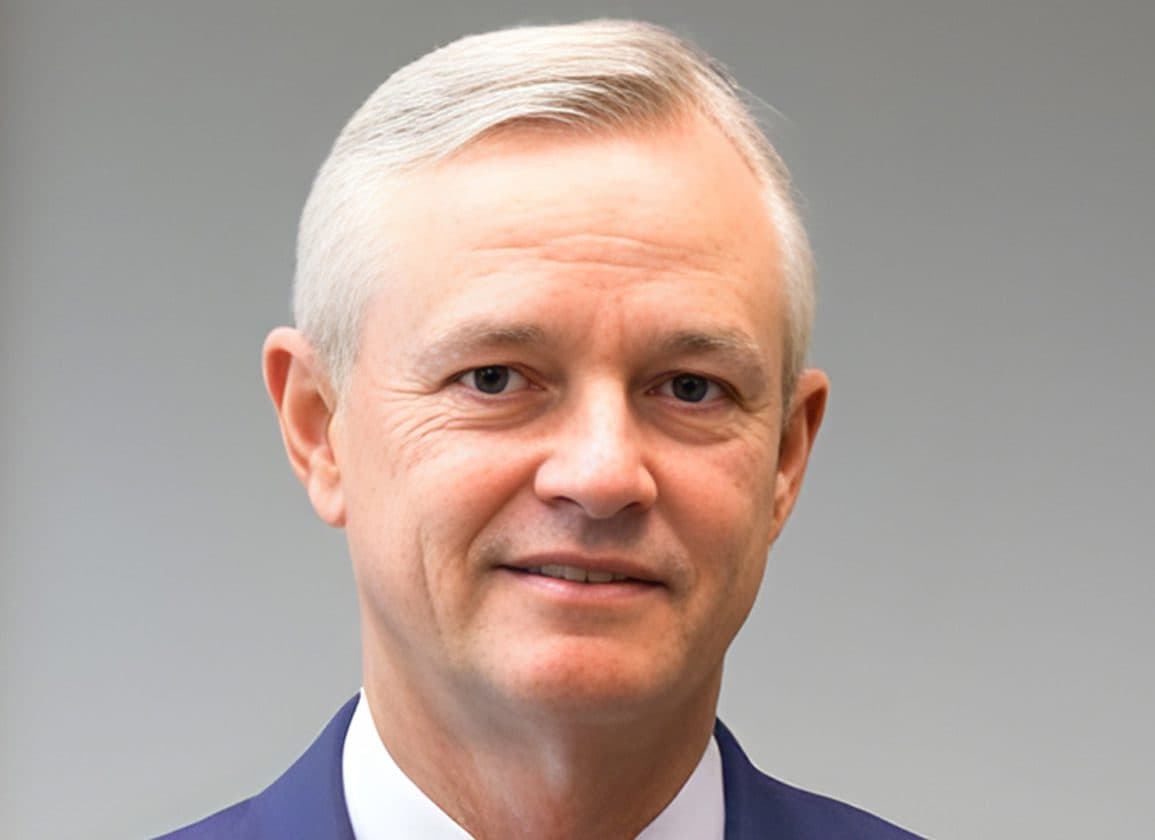
Everett Dobson, newly installed chair of The Jockey Club, told attendees at the National Horsemen’s Benevolent & Protective Association conference at Oaklawn Park that the organization will "revisit" the contested stud‑book cap tied to 140 mares and related breeding policies, creating immediate operational questions for stud farms, stallion owners and the almost 30,000 owners and trainers represented by the HBPA. If a cap of that sort returns in any form, foals conceived above the limit previously would not be registered and therefore would be ineligible to race, a consequence that drove the 2021 litigation by Spendthrift Farm, Ashford Stud and Three Chimneys Farm and prompted the Jockey Club to abandon the earlier rule change.
The 140‑mare figure has been the focal point of the prior episode: the cap was tied to stallions foaled in 2020 and public controversy and legal action unfolded in 2021, when the three Kentucky stud farms filed suit over the proposed restriction. Dobson acknowledged that history in his remarks, saying, "As many of you know, The Jockey Club previously attempted to implement a cap on the number of mares a stallion could breed. While that effort did not succeed, the underlying concerns it aimed to address remain very real."
Dobson framed the next steps as deliberate and consultative, telling HBPA delegates that "It's in its infancy. It's in the early discussion stages," and that "It won't be rolled out anytime quick but we're going to get the right people in the room and see if we can collaborate on a message that that will lift all boats." He said he will meet with stud farms to revisit the issue, a point he reiterated in social media posts, and he stressed inclusion with a public nod to horsemen and women for their hands‑on care: "I am also of the belief that credit for that should be spread far and wide, and especially to the great horsemen and women that make up the National HBPA. You are the ones putting your hands on the horse, providing for the care and nutrition needs for every single horse, every single day."
Dobson presented slides showing a decline in North American stallions and placed the stakes in a global context, saying, "This slide illustrates the trends in North America. However, the phenomenon is happening worldwide. While the U.S. is the largest producer of Thoroughbreds, we only represent approximately 20% of the global foal crop." He added, "Whether you believe we're facing a serious issue or not, it is critical that we keep this conversation going, and do so on a global scale."
On governance and science, Dobson announced The Jockey Club is chairing the inbreeding task force of the International Stud Book Committee and intends "to dig deeper into the science and leverage emerging tools, including artificial intelligence and advanced technology, to better understand the long‑term impact on the breed." He also linked the review to broader strategic priorities, including fresh reviews on breeding caps, increased support for horse welfare, and youth engagement, a leadership approach characterized as inclusion and thinking big.
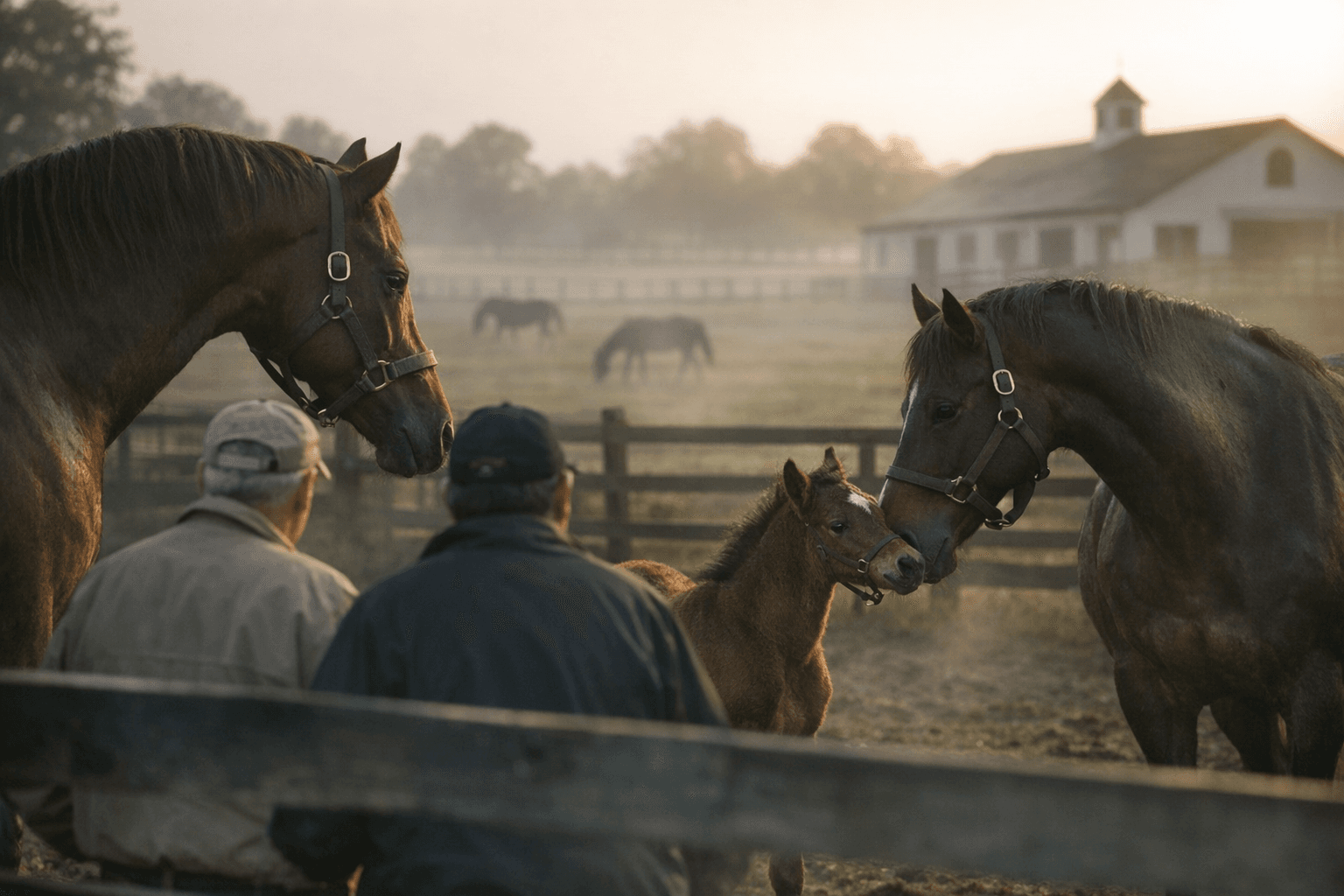
Dobson emphasized economic sensitivity: "I fully recognize the economic realities of the industry we operate in," and framed his remit as preservation plus innovation: "My role is to preserve the integrity and help the breed while fostering an environment of innovation and investment." Visuals accompanying his remarks included slides captioned Gulfstream Park, July 18 2025 and Denali Stud, June 17, 2021, Photo: Rick Samuels, underscoring the mix of data and imagery used in the presentation.
Key operational unknowns remain for breeders and race operators: whether any new review will propose a numeric cap, how registration rules would be written, what data underlies the stallion decline slides, and whether Spendthrift Farm, Ashford Stud or Three Chimneys Farm will respond to Dobson’s renewed outreach. Dobson’s pledge to convene stakeholders and to lean on international science signals a protracted, evidence‑driven process that could reshape registration eligibility, stallion book management and breeding economics if it moves beyond discussion into policy.
Know something we missed? Have a correction or additional information?
Submit a Tip