Jockey Dylan Davis Nears Comeback After Severe Nov. 14 Aqueduct Spill
Dylan Davis suffered severe injuries in an Aqueduct spill and is nearing a comeback after surgery, rehab, and an upcoming orthopedic clearance that could allow winter gallops.
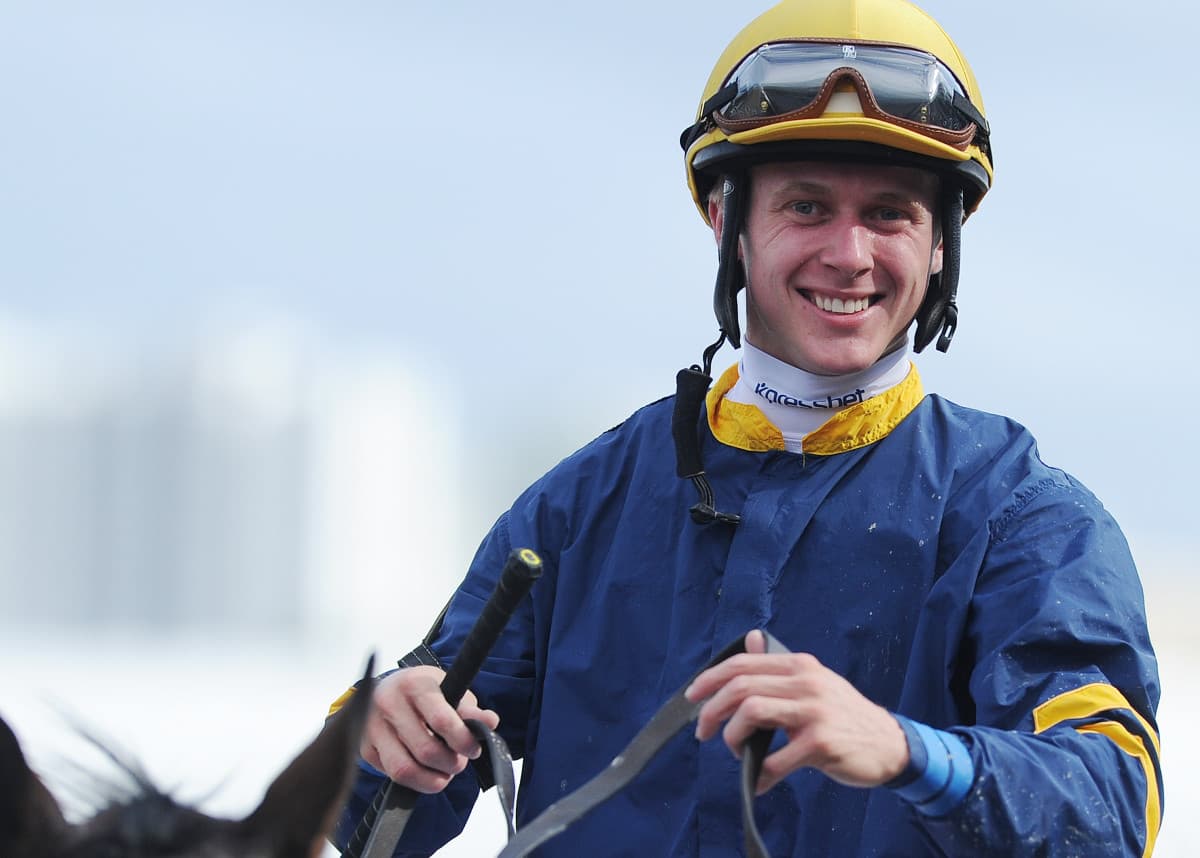
Dylan Davis is edging back toward the saddle after a spill at Aqueduct Racetrack left the 31-year-old rider with multiple fractures, a collapsed lung and a lengthy hospital stay. His recovery matters to New York racing because Davis is a prolific winter rider whose return could reshuffle mounts, stable loyalties and the winter meet leaderboard.
The accident occurred at Aqueduct on Nov. 14, 2025, during a sprint race; sources differ on whether it was the sixth or the seventh race. Accounts agree on the sequence: Heavyweight Champ(s) fractured a left foreleg and fell, bringing down Ricard Santana Jr.; Davis and his mount then stumbled over Santana and crashed. Heavyweight Champ(s) suffered catastrophic injury and was euthanized, while Davis’ mount - listed as Tarpaulin in most reports and spelled Tarpolin in one account - escaped with only bruises and scrapes. Bob Rosenthal, owner of Tarpaulin, helped arrange Davis’ transfer to a higher level of care.
Medical details are stark. BloodHorse lists fractures of five ribs on his left side and four on his right - nine in all - plus a fractured right clavicle, a fracture of the right upper-arm bone, a collapsed left lung, a small accumulation of blood in the chest, a pulmonary contusion, a grade 5 laceration of the left kidney and a small adrenal injury. Doctors removed blood from Davis’ chest on Nov. 15 before surgery, and Davis spent about 10 days hospitalized after an initial intake at Jamaica Hospital and subsequent transfer to North Shore University Hospital (also referenced as Northwell in other accounts). Davis has said his collarbone required surgery; his agent confirmed the severity and the gratitude to Rosenthal for facilitating care.
Recovery has been steady, and Davis has framed his return in pragmatic terms. He estimated he is “90 percent” physically recovered and said, “I just know that racing is something I love,” adding, “It’s definitely stronger than fear from racing and what could happen.” From home he told Thoroughbred Daily News, “It's better now that I am home. I spent 10 days in the hospital after that accident. I wound up getting surgery on my right collarbone. That was all that was needed. Each day gets better and better.” His agent, Mike Migliore, said, “He's banged up really bad, but he's lucky to be alive,” and called Davis “like a son to me.”
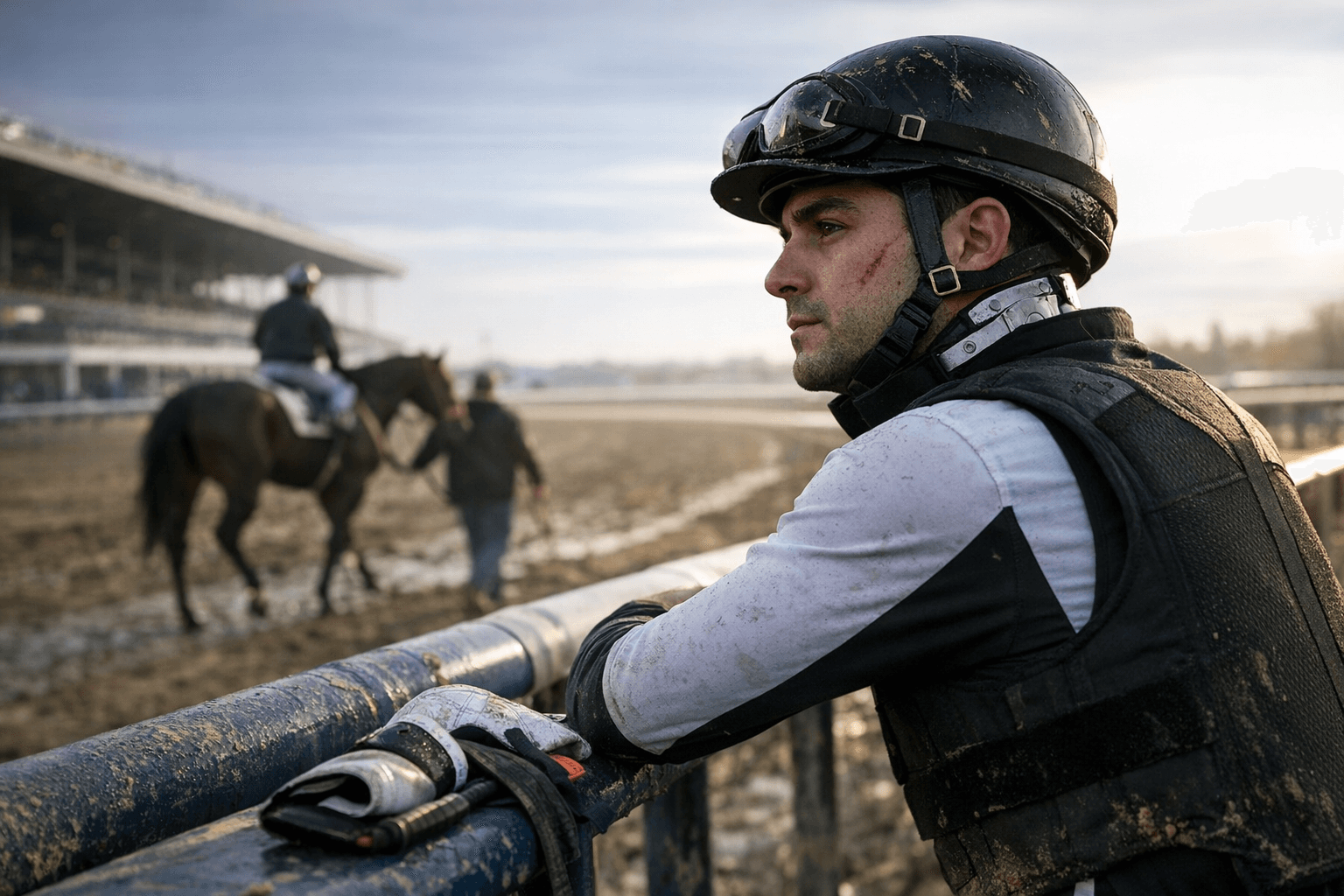
A concrete step toward resuming work is an upcoming orthopedic visit on Feb. 19, when Davis hopes to receive clearance to begin galloping horses. He will also undergo physical therapy two to three times a week. Davis signaled a winter return strategy, noting his two Aqueduct winter meet titles and saying he plans to rebuild momentum in seasonally aligned races: “When I make my return it will be in the wintertime... I have built up a lot of loyalty with the trainers and the horsemen over the years that I have been riding there. I'm not going to expect to jump right back in. I have to make sure that I am mentally ready and physically ready so that I can come back strong.”
The wider implications reach beyond one rider. Davis posted 144 wins and more than $13 million in purse earnings this year and is the son of jockey Robbie Davis, a figure in the sport’s New York fabric. His rehabilitation underscores questions about rider safety, emergency response and equine welfare after catastrophic breakdowns. If cleared in mid-February, Davis’ comeback would alter mount allocations and bump up competition at the Big A, where incoming stars such as Flavien Prat are also expected to ride. For fans and trainers, the next milestones to watch are his orthopedic clearance, the resumption of gallops, and whether Davis can convert his current momentum into a full return to form.
Know something we missed? Have a correction or additional information?
Submit a Tip

