Johns Hopkins Survey: 4 in 10 Baltimore Residents Struggled to Afford Basics
A Johns Hopkins survey of 1,271 Baltimore-area residents found roughly 4 in 10 struggled to afford medical care, utilities, food, housing and transportation in the past year.

A Johns Hopkins 21st Century Cities Initiative survey of 1,271 residents — 748 from Baltimore City and 523 from Baltimore County — found between 30% and 40% of respondents reported difficulty affording five basic categories in the past 12 months: medical care, utilities, food, housing and transportation. The fieldwork was conducted between August and October 2025 and respondents were surveyed online or by mail.
Marin Beal, a fourth-year doctoral student in sociology and co-author of the survey, summarized the scope: “As the salience of 'affordability' in politics has increased, it can be easy to lose site of the real struggles that made it salient in the first place. These data provide clear numbers: in all five categories we studied—food, housing, utility, medical, and transportation—at least three in 10 Baltimore-area residents experienced financial hardship last year.”
Local coverage supplied additional breakdowns: WBAL reported roughly one third of people polled said they found medical expenses somewhat or very difficult to cover in the last year, and roughly the same share had been late on a utility bill at least once. WBAL also reported that about 20% of respondents said they were food insecure in the last 12 months and that among households earning $70,000 to $110,000, about one in six had trouble paying a utility bill at least twice in the past year.
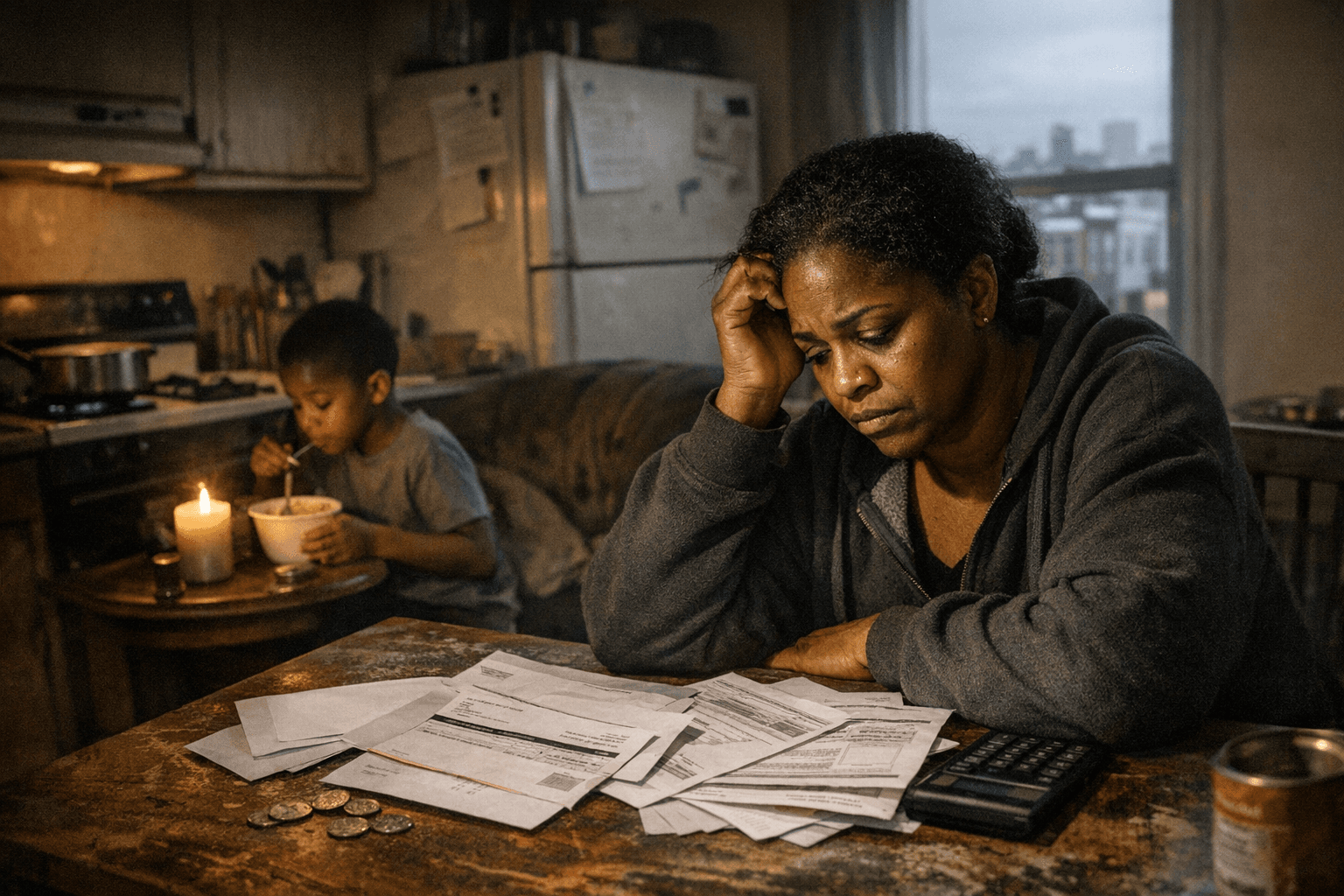
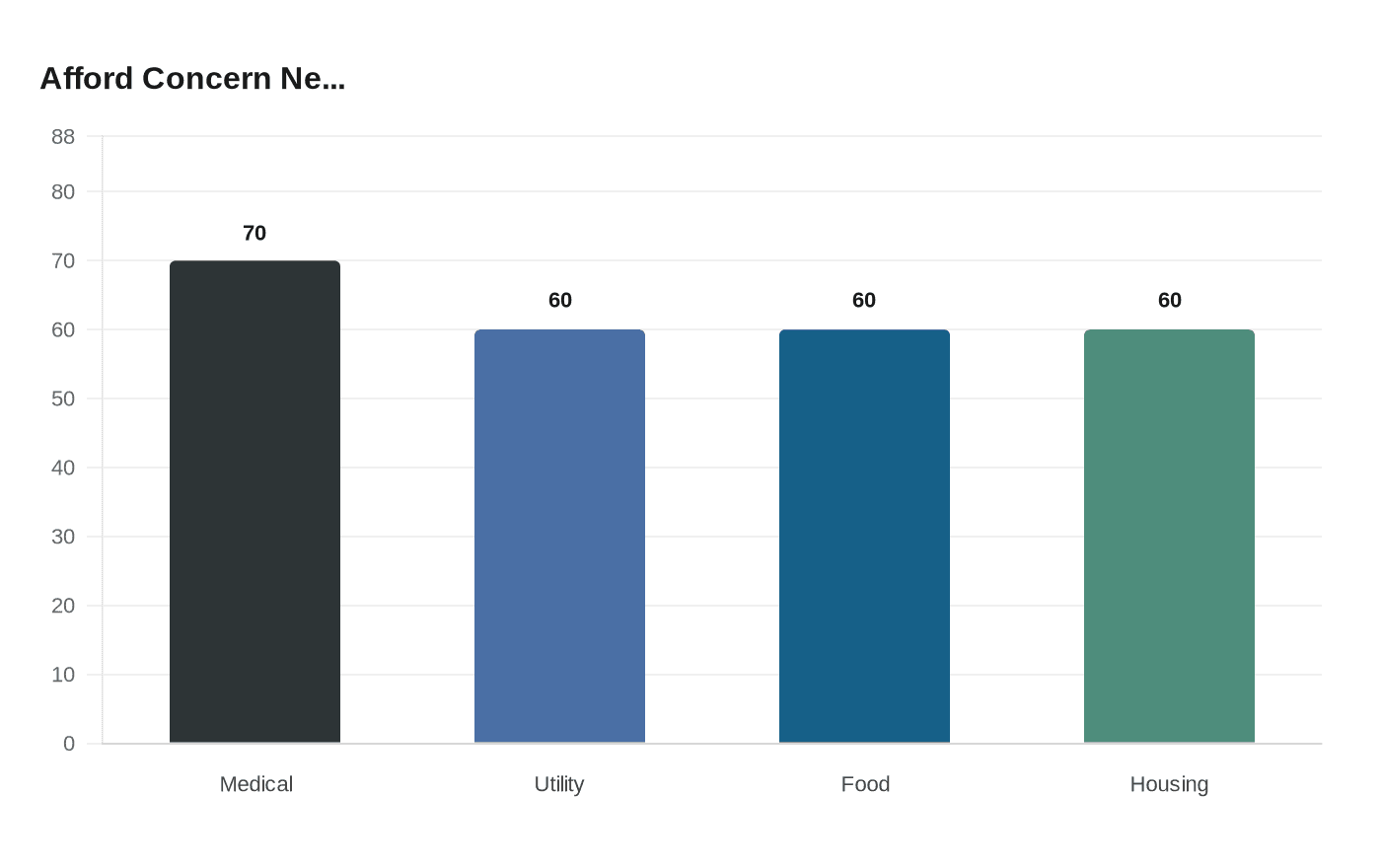
The survey also captured sharp anxiety about the year ahead. The Baltimore Sun reported nearly 7 in 10 residents said they were concerned about affording medical care in the coming year, and about 6 in 10 worried about covering utility, food and housing costs. Hub JHU and Banner reporting noted that more than two in five residents expressed concern about all five categories looking forward.
Michael Bader, associate professor of sociology at Johns Hopkins and director of the 21st Century Cities Initiative, framed the findings as a check on political rhetoric: “Affordability has been turned into kind of a political buzzword, and I think it’s really easy to lose sight of why affordability is a concern and the people behind that.” Bader added that “a combination of inflation being higher and concerns about the job market is leading to a lot of people not knowing what’s coming. It’s leading to insecurity and uncertainty.” On the scope of hardship he said, “A lot of people are struggling. So, we looked at five different areas. We looked at medical costs, utility costs, housing costs, transportation costs and food costs. Basically, across all five of those categories, 30-40% of Baltimore-area residents had some difficulty affording those costs in the past year.”
The Hopkins findings underscore that affordability pressures reach beyond low-income households: Hub JHU highlighted that “large numbers of Baltimore-area residents, even those making up to $110,000 a year, struggled to afford basic daily necessities.” Banner coverage emphasized that while poorer residents and families with children are especially affected, stress over costs extends across the income spectrum.
Johns Hopkins’ 21st Century Cities Initiative published the detailed sample counts and fieldwork window; press accounts rounded the sample to “more than 1,200.” The numbers present a data-driven snapshot policymakers and city leaders in Baltimore City and Baltimore County will confront as they weigh budgets and assistance programs for residents facing both immediate hardship and growing worry about the months ahead.
Know something we missed? Have a correction or additional information?
Submit a Tip