JPMorgan to take over Apple Card from Goldman Sachs
Apple moved the Apple Card issuing role from Goldman Sachs to JPMorgan, shifting roughly $20 billion in balances; workers face operational and staffing changes.
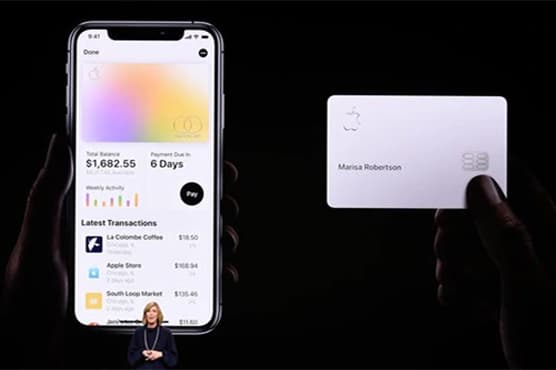
Apple confirmed that JPMorgan Chase will replace Goldman Sachs as the issuing bank for the Apple Card, beginning a transition expected to unfold over roughly 24 months. Mastercard will remain the underlying payments network, and Apple said customers will not need to take action immediately while features such as Daily Cash and the Apple Card savings product continue through the handoff.
The move transfers roughly $20 billion of outstanding Apple Card balances into Chase’s portfolio. Reports indicate Goldman Sachs will take a markdown on that portfolio while Chase will record provisions tied to a forward purchase commitment it has made. The financial mechanics signal a negotiated exit for Goldman from one of its highest-profile consumer partnerships and a material one-off hit and balance-sheet reshuffle for both banks.
For Goldman Sachs employees, the change is another concrete step in shrinking the firm’s consumer-banking footprint after Marcus and other consumer initiatives. Teams that sit squarely in the Apple Card ecosystem—including card-operations staff, servicing and collections teams, servicing-technology engineers, credit-risk analysts, and payment ops personnel—will see their workstreams migrate as account servicing, reconciliation, and collections responsibilities shift to Chase or to third-party servicers acting on Chase’s behalf.
That migration will require extensive operational work: data migrations, customer-account transfers, integration of servicing platforms, compliance reviews, and coordination with Apple on customer communications. Those tasks will engage program managers, legal and compliance teams, and IT staff for months. For employees, the options typically include redeployment into Goldman’s institutional and wealth-management units, transitioning to roles supporting residual consumer operations, or participating in vendor or buyer integration teams. The firm’s broader strategic pivot toward institutional businesses makes internal mobility the likeliest path for many affected staff, though the timing and scale of role changes will play out as transition plans are executed.

For Chase, absorbing a $20 billion portfolio brings an operational ramp-up and near-term provisioning that will affect its consumer credit metrics and P&L. Chase will need to scale servicing operations, train customer-facing teams on Apple Card specifics, and align fraud, dispute resolution, and rewards systems with Apple’s products. That work will create hiring and internal deployment opportunities at Chase while presenting integration risks that must be managed tightly.
The takeaway? If you work on Apple Card-related lines at Goldman, start conversations with your manager about where you fit in the post-transition world, update your internal profile and resume, and document your operational knowledge for handoff. For everyone in consumer banking, expect more movement and cross-team coordination over the next two years as this portfolio shifts hands. Our two cents? Treat this as a heads-up to build transferable skills, network inside and outside your unit, and keep an eye on internal mobility postings.
Sources:
Know something we missed? Have a correction or additional information?
Submit a Tip