Judge Allows Comey Wrongful-Termination Case to Proceed in Federal Court
A judge let Maurene Comey’s wrongful-termination suit stay in federal court, keeping alive claims that her firing was political retaliation.
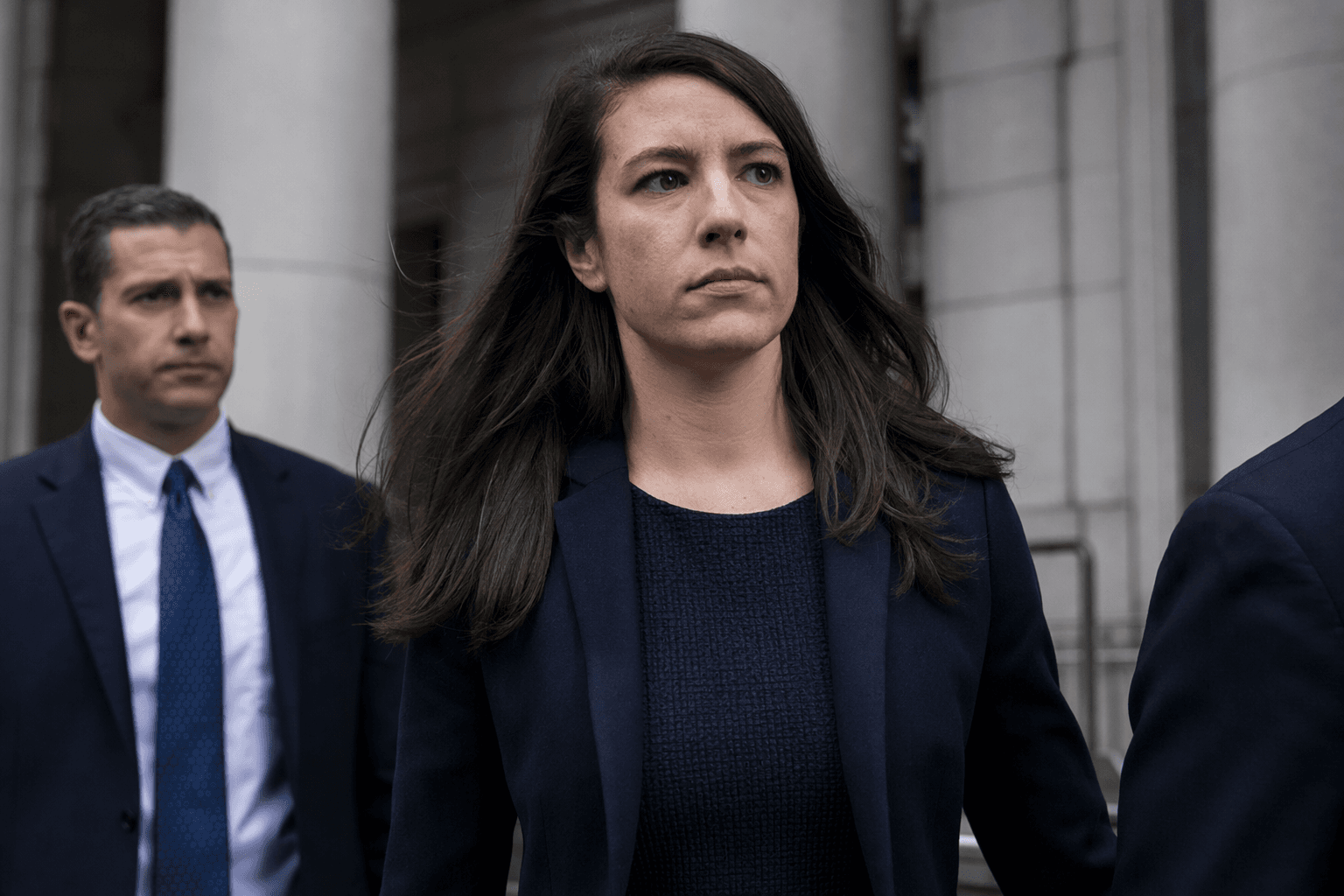
If a judge lets Maurene Comey’s suit move forward in federal court, how far can the executive branch go in policing federal prosecutors who work politically sensitive cases? Judge Jesse M. Furman’s ruling on April 28, 2026, answered that question only in part, but it kept Comey’s challenge alive and rejected the Justice Department’s bid to push the dispute into the Merit Systems Protection Board process.
Comey, a former federal prosecutor in the U.S. Attorney’s Office for the Southern District of New York, was fired on July 16, 2025, after nearly 10 years on the job. Her complaint says she had been asked to lead a major public corruption case the day before and had received an “Outstanding” performance review just three months earlier. The termination, she says, came with no cause, no advance notice and no chance to contest it, only an email saying she was being removed “[p]ursuant to Article II of the United States Constitution and the laws of the United States.”
The lawsuit names the U.S. Department of Justice, the Executive Office for the President, the Executive Office for United States Attorneys, the Office of Personnel Management, Attorney General Pamela Bondi and other officials. Comey alleges that she was fired solely or substantially because she is the daughter of former FBI Director James B. Comey, or because of her perceived political affiliation and beliefs, or both. The complaint also says the dismissal violated Civil Service Reform Act protections that bar political-discrimination terminations.
Furman’s ruling means Comey can press those claims in court rather than being forced into the agency review path. He set a May 28, 2026, hearing for an initial pretrial conference, signaling that the fight over her removal is now headed into formal litigation over executive authority and civil-service safeguards.
The case has been shaped by a broader political storm. According to the complaint and related reporting, then-interim U.S. Attorney Jay Clayton told Comey after her firing, “All I can say is it came from Washington. I can’t tell you anything else.” The suit also points to pressure from far-right activist Laura Loomer, who publicly called for Comey to be fired and later said she had pressured Attorney General Pam Bondi to do so. James Comey’s May 2025 Instagram post, which some Trump supporters read as threatening President Donald J. Trump, deepened the backdrop even though he denied any violent intent.
The ruling keeps open a central test of federal employment law: whether prosecutors tied to high-profile, politically charged investigations can realistically claim independence when their jobs are subject to the president’s Article II authority. For Maurene Comey, now in private practice, the next phase will determine whether those protections can survive contact with a White House and Justice Department that insist personnel decisions remained within executive power.
This article was produced by Prism’s automated news system from verified source data, official records, and press releases, then run through automated quality and moderation checks before publishing. The system is built and supervised by the people who set the standards it runs under. Read our full AI policy.
Did this article answer your question?

