Judge blocks DOJ from wholesale search of reporter’s seized devices
A magistrate judge barred prosecutors from an unsupervised, broad search of devices seized from Washington Post reporter Hannah Natanson, protecting source privacy and oversight.
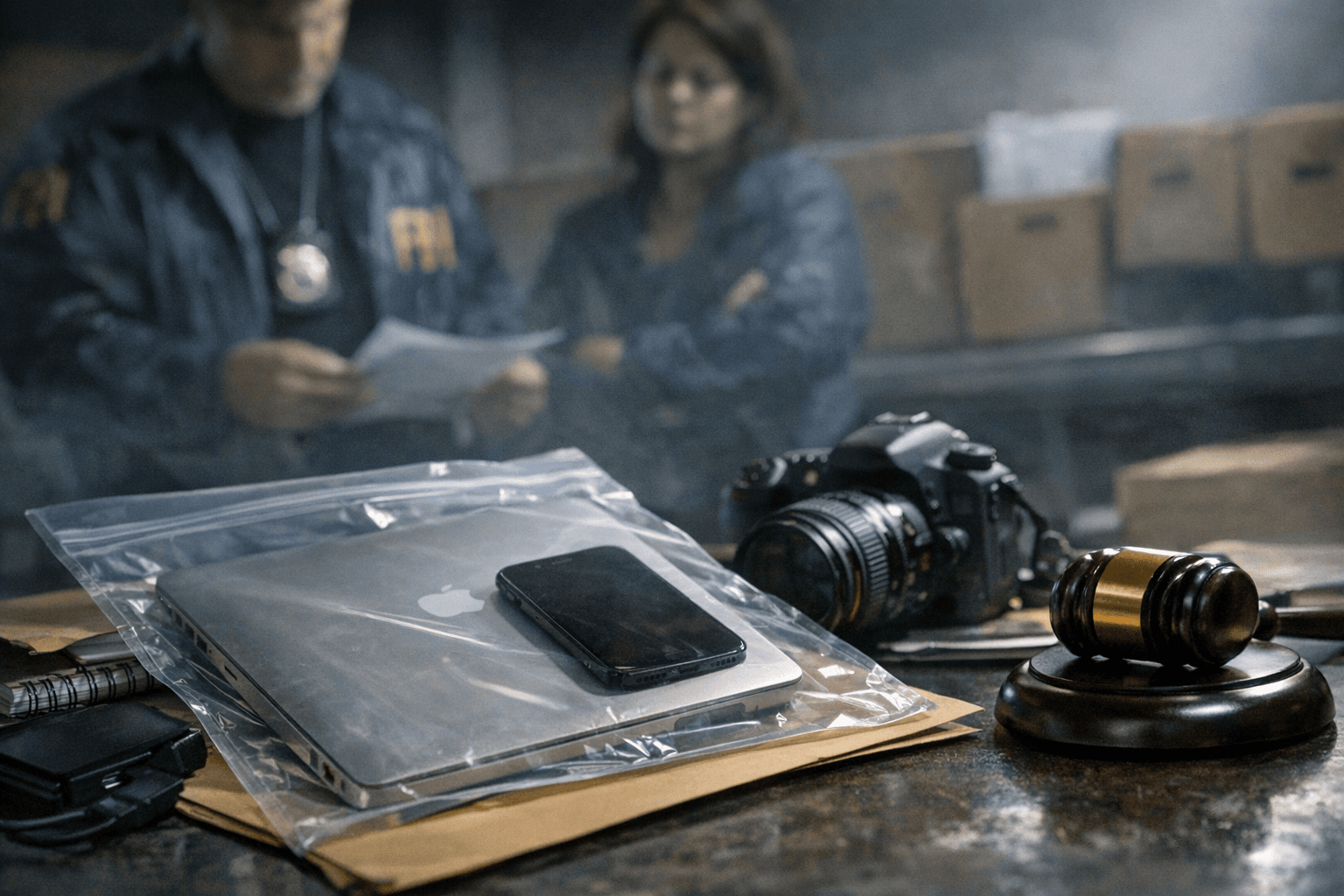
A U.S. magistrate judge on Feb. 24 barred federal prosecutors from conducting an unsupervised, wholesale search of electronic devices seized last month from Washington Post reporter Hannah Natanson in a national security leak investigation. The order restricts prosecutors’ immediate, unrestricted access to the material and requires court-supervised limits before investigators may comb through the reporter’s communications.
The ruling directly curtailed a common investigative tactic in leak probes and underscored growing judicial scrutiny of government searches of journalists’ records. The Justice Department pursued the devices as part of a broader effort to identify sources for classified information, but the magistrate’s decision prioritized procedural safeguards that protect journalists’ ability to shield confidential sources and newsgathering material.
For communities that rely on investigative reporting to surface public health failures and disparities, the decision carries immediate consequences. Reporters frequently document hospital mismanagement, Medicaid and Medicare fraud, contamination events and other health system problems that disproportionately affect low-income neighborhoods and communities of color. When law enforcement gains unsupervised access to reporters’ devices, the practical consequence is a chilling effect: potential sources may decline to come forward, and critical health and social safety net issues can go unreported.
Public health officials and policy makers depend on independent reporting to flag systemic problems before they become crises. The magistrate’s order preserves an avenue for whistleblowers and community advocates to disclose information without fear that their identities will be exposed by routine forensic searches. That, in turn, affects accountability mechanisms that can prompt regulatory action, hospital inspections, or targeted public health interventions.
The ruling also raises questions about how federal investigative practices intersect with press freedom and equity. Prosecutors argue that searching reporters’ devices can be necessary to identify criminal leaks that jeopardize national security. Critics counter that broad searches sweep up unrelated confidential communications and discourage reporting on matters of public interest, particularly in marginalized communities where advocacy groups and local journalists are often the only oversight.
The practical next steps will shape both newsroom operations and public policy. The court-imposed limits mean the government must narrow its requests or submit proposed search protocols and justifications for judicial review. News organizations now face choices about litigation, legal representation and strengthened digital security for reporters and sources. For communities already underserved by mainstream coverage, those newsroom decisions determine whether future health-system failures will reach public view.
Beyond the immediate case, the ruling invites policy responses. Congress and administrative leaders could tighten procedural safeguards governing searches of journalists’ records, specify standards for court review, and provide resources for legal defense so small newsrooms and independent reporters can contest seizures. Strengthening those protections would disproportionately benefit low-resourced outlets that cover local health inequities and serve populations most affected by lapses in care and safety.
The magistrate’s order stops a wholesale sweep in its tracks and forces a court-centered balance between investigative needs and the public interest in robust journalism. For sources, patients and communities that depend on reporters to illuminate failures in health and social services, the ruling provides a measure of protection that may preserve future disclosures essential to public accountability.
This article was produced by Prism’s automated news system from verified source data, official records, and press releases, then run through automated quality and moderation checks before publishing. The system is built and supervised by the people who set the standards it runs under. Read our full AI policy.
Did this article answer your question?