Judge blocks Kennedy Center closure, orders Trump name removed
A federal judge barred the Kennedy Center’s two-year shutdown and ordered Trump’s name stripped from the facade, putting control of the landmark’s future back in question.
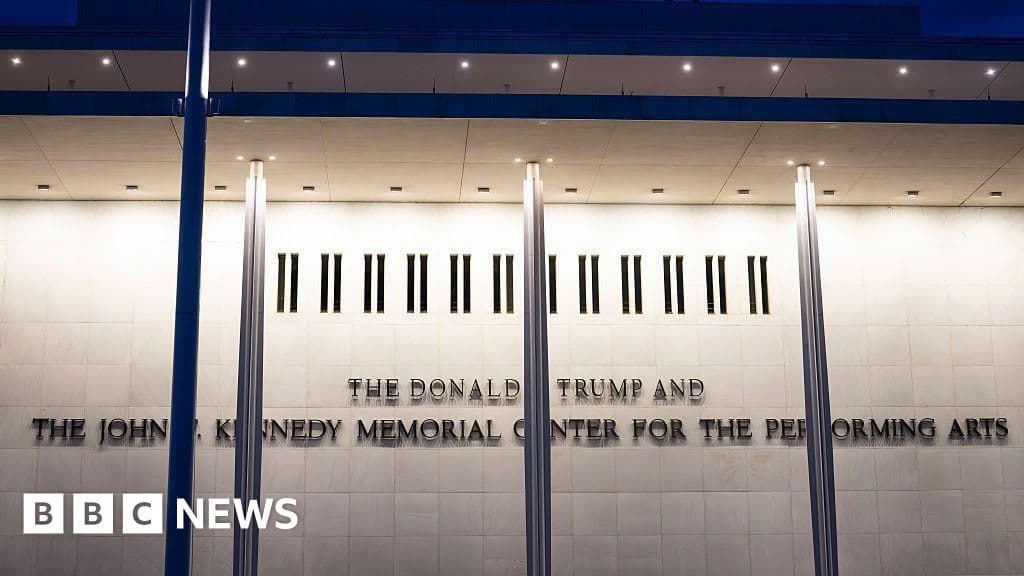
A federal judge has blocked the Kennedy Center from shutting down for a two-year renovation and ordered Donald Trump’s name removed from the building and official materials, a ruling that put the nation’s premier performing arts venue back at the center of a fight over who gets to control a congressionally created institution.
U.S. District Court for the District of Columbia Judge Christopher Cooper ruled on May 29, 2026, that the board had overstepped its authority when it added Trump’s name to the John F. Kennedy Center for the Performing Arts. The change began in December 2025, when the Kennedy Center Board of Trustees voted to rename the venue the Trump-Kennedy Center and workers installed exterior signage the next day. Joyce Beatty, the Democratic congresswoman who challenged the move, argued that only an act of Congress could change the name of a building Congress created and named by statute.

The ruling cut through both the symbolic and practical stakes of the dispute. Cooper ordered Trump’s name removed from the facade and other official materials within 14 days, and he also blocked the planned temporary closure for renovations. The center had previously approved a shutdown after an Independence Day celebration, with a reopening roughly two years later, as part of a $257 million overhaul meant to address decades of deferred maintenance and critical infrastructure needs. The judge’s order still allowed necessary repairs, but it vacated the board vote that would have taken the venue dark.
That renovation had been presented as urgent. In April 2026, the center released materials showing hundreds of compromised expansion joints, water infiltration, corroded steel, water-damaged electrical systems, deteriorating concrete, and 2,000-plus-pound soffit panels that had reached end-of-life. The images and descriptions pointed to a building facing not just cosmetic wear, but safety-related failures across major systems.
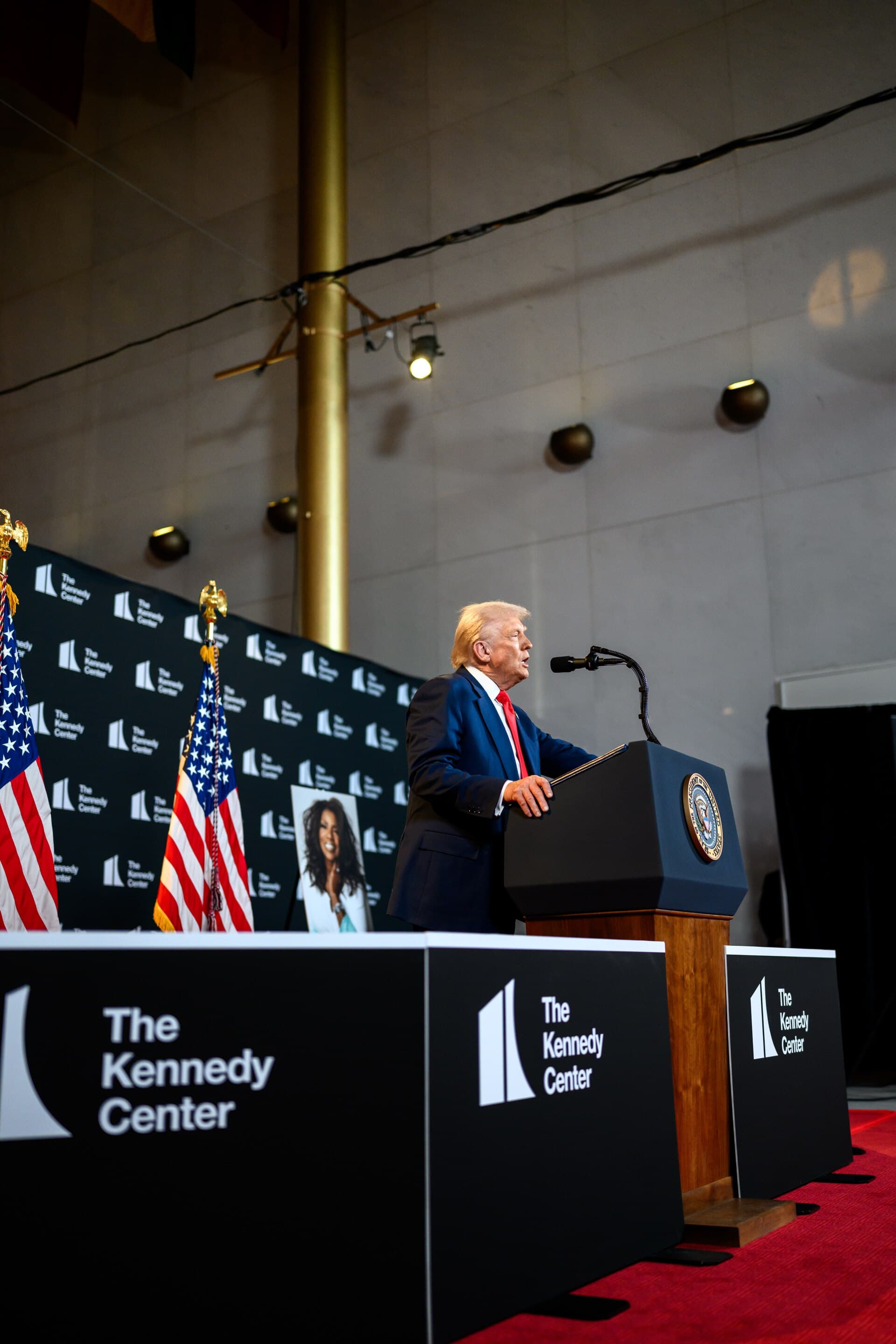
Trump said after the ruling that he had “no interest” in continuing the overhaul and would transfer decision-making about the center to Congress. His response left open a basic question that now hangs over the institution: whether the Kennedy Center can preserve its schedule, manage its repairs, and retain public confidence while its governance is being shaped by political power, private naming battles, and a board answerable to both.
This article was produced by Prism’s automated news system from verified source data, official records, and press releases, then run through automated quality and moderation checks before publishing. The system is built and supervised by the people who set the standards it runs under. Read our full AI policy.
Did this article answer your question?

