Judge declines to block Trump mail-in voting restrictions
A federal judge let Trump’s mail-voting order stand for now, keeping a 2026 fight alive over how far the White House can reach into state election systems.
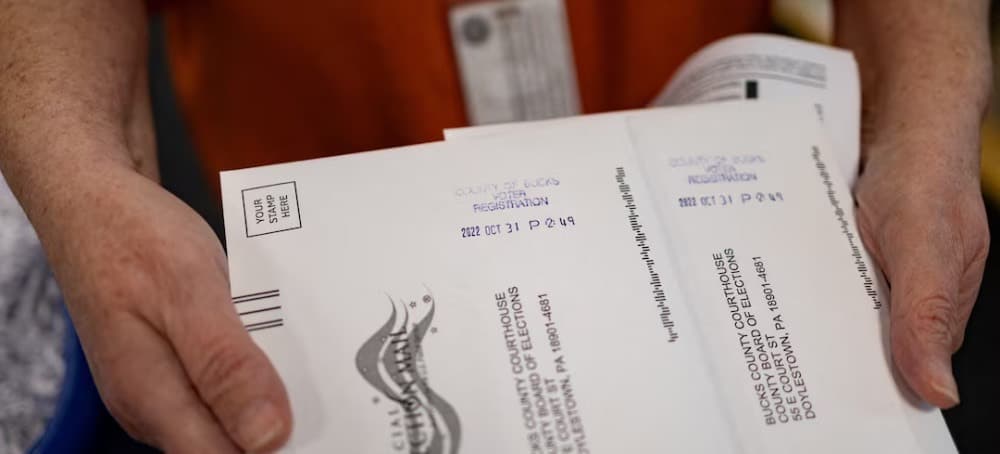
A federal judge in Washington declined to stop President Donald Trump’s new mail-voting restrictions, handing the White House an early legal win while leaving the larger clash over election control unresolved. U.S. District Judge Carl Nichols said the case was premature because the administration had not yet produced any faulty citizenship lists and the Postal Service had not yet imposed new delivery rules.
Trump signed the order, titled “Ensuring Citizenship Verification and Integrity in Federal Elections,” on March 31. It was published in the Federal Register on April 3 as Executive Order 14399. The directive tells the Department of Homeland Security and the Social Security Administration to help compile state-by-state lists of confirmed U.S. citizens, using SAVE data and other federal records. It also directs the U.S. Postal Service to work with states on pre-approved mail-voter lists and delivery rules, and it requires states to keep election-related records for five years.

The ruling gave Democrats little immediate relief. They argued the order would make it harder for millions of voters to cast ballots by mail and would amount to a federal takeover of an area the Constitution leaves largely to the states. Senate Minority Leader Chuck Schumer and other Democrats said the plan could disenfranchise voters before any implementation was complete. Nichols said those claims could return later if agencies take steps that cause real harm.
The fight matters because mail voting remains a major part of American elections. MIT Election Lab said mail-ballot use in 2024 stayed above historical norms. The U.S. Postal Service said it processed more than 99.22 million ballots in the 2024 general election. Issue One said nearly one-third of voters cast ballots by mail that year, or about 48 million votes. The group also warned the order could centralize power in Washington, especially if federal eligibility lists or earlier deadlines are used to limit ballot delivery.

For election officials, the practical stakes are immediate. States would have to reconcile their own voter rolls with federal databases that critics say can be outdated or error-prone, while counties would face new pressure to match ballot delivery to federal-approved lists. The White House says unique ballot-envelope identifiers, including bar codes, would help confirm that only citizens receive and cast ballots and would create an auditable system for enforcing federal law.

Nichols, who was appointed by Trump in his first term, said plaintiffs could return for an injunction if the order begins causing concrete problems. A parallel case is already moving in Boston, where U.S. District Judge Indira Talwani is scheduled to hear arguments on June 2. The two lawsuits set up a broader test of how much a president can reshape election administration before Congress or the courts draw a line.
This article was produced by Prism’s automated news system from verified source data, official records, and press releases, then run through automated quality and moderation checks before publishing. The system is built and supervised by the people who set the standards it runs under. Read our full AI policy.
Did this article answer your question?

