Judge Dismisses Most of Lively's Claims Against Baldoni, But Trial Proceeds
A federal judge tossed Blake Lively's sexual harassment claims on a technicality: she was an independent contractor, not an employee. Trial starts May 18.
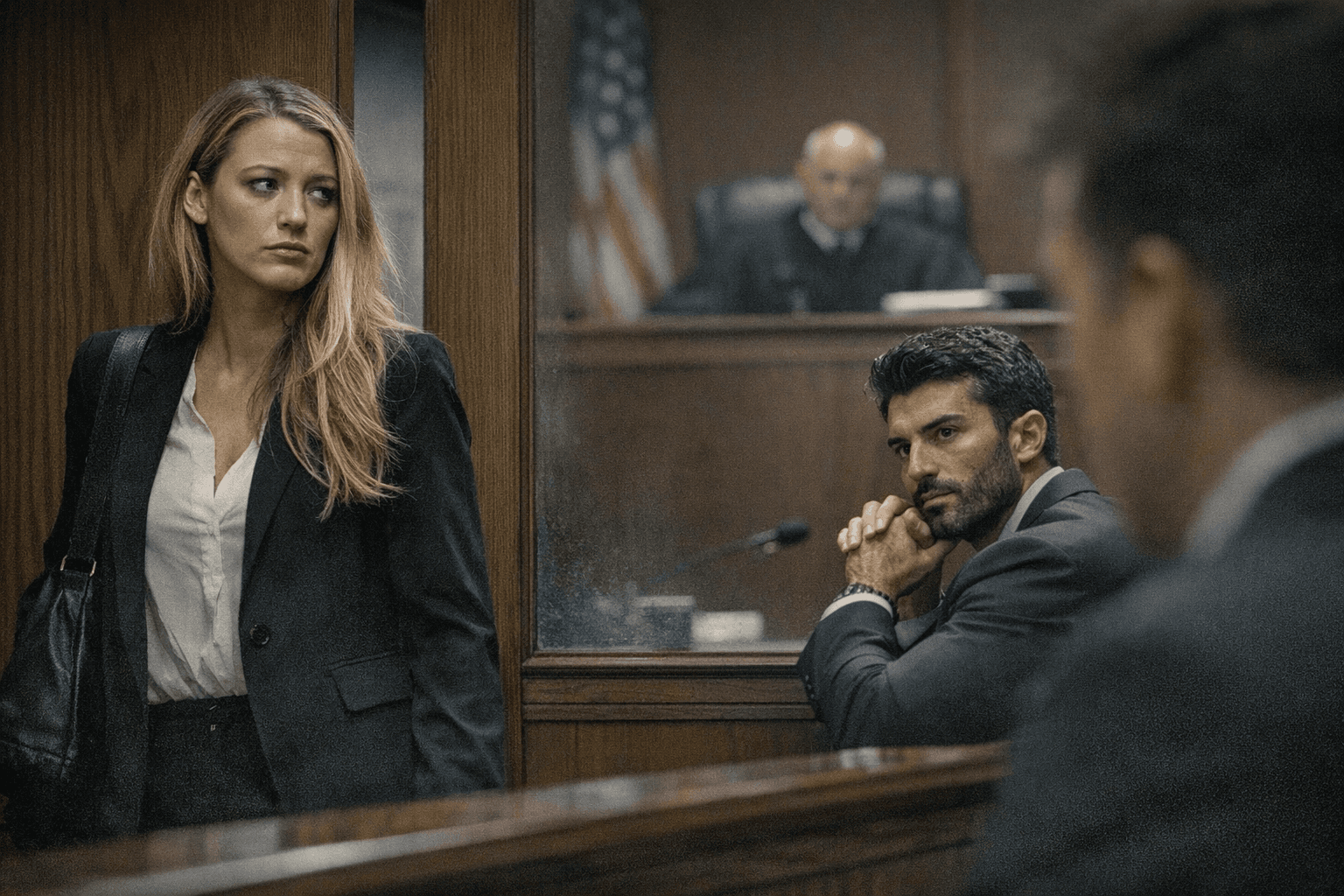
A 152-page federal ruling stripped 10 of Blake Lively's 13 claims against Justin Baldoni, but the litigation that transfixed Hollywood is not finished. Three claims will go before a Manhattan jury on May 18, 2026.
U.S. District Judge Lewis J. Liman dismissed the sexual harassment, defamation, and conspiracy allegations while allowing breach of contract, retaliation, and aiding and abetting retaliation to proceed. Those surviving claims center on what Lively described in her amended complaint as a "multi-tiered plan" by Baldoni's public relations team to destroy her reputation following the August 2024 release of "It Ends With Us," with Lively alleging $161 million in losses from the campaign.
The dismissal of the harassment claims turned on a legal classification rather than any factual finding on the merits. Because Lively functioned as an independent contractor on the production rather than an employee, Liman ruled she was ineligible to bring claims under Title VII of the Civil Rights Act of 1964, the primary federal law barring gender-based workplace discrimination. Her California harassment claims fell on separate grounds: because principal photography took place in Hoboken and Jersey City, New Jersey, California's Fair Employment and Housing Act did not apply.
Lively's lead attorney, Sigrid McCawley, made clear the dismissal reflected legal classification, not judicial exoneration. "Sexual harassment isn't going forward, not because the defendants did nothing wrong, but because the court determined Blake Lively was an independent contractor, not an employee," she said. McCawley added that Lively "looks forward to testifying at trial and continuing to shine a light on this vicious form of online retaliation so that it becomes easier to detect and fight."
Among the on-set conduct Lively alleged: Baldoni kissed her in scenes where the script did not call for it, walked into her trailer while she was breastfeeding, and made a "pretty hot" comment after asking her to remove her jacket. When warned the remark was inappropriate, Baldoni allegedly responded, "Sorry, I missed the sexual harassment training." His team called that line a wardrobe joke. Liman wrote that Baldoni's alleged conduct "appeared to be directed toward Lively's character in the scene, rather than Lively herself," and that creative artists "must have some amount of space to experiment within the bounds of an agreed script without fear of being held liable for sexual harassment."
On the surviving retaliation claims, Liman drew a sharper line: "There comes a point where the accused stops simply defending him or herself and starts taking action that a reasonable jury could view as retaliation for the fact that the accuser had the temerity to make the accusations."
Attorneys Alexandra Shapiro and Jonathan Bach, representing Baldoni through the firm Shapiro Arato Bach, called the ruling a substantial victory. "We're very pleased the Court dismissed all sexual harassment claims and every claim brought against the individual defendants: Justin Baldoni, Jamey Heath, Steve Sarowitz, Melissa Nathan, and Jennifer Abel," they said, noting what remains is "a significantly narrowed case."
The dispute originated with a New York Times investigation in December 2024 detailing an alleged smear operation run by Baldoni's PR team. Lively filed a complaint with the California Civil Rights Department on December 20, 2024, then a federal lawsuit on December 31. Baldoni filed a $250 million defamation suit against the Times the same day. In January 2025, he and Wayfarer Studios filed a $400 million countersuit against Lively and her husband Ryan Reynolds, alleging defamation, extortion, and that Lively had "hijacked" the film. Liman dismissed both of Baldoni's offensive suits on June 9, 2025, citing anti-SLAPP protections and finding Baldoni had not demonstrated substantial monetary damages.
A court-ordered settlement conference on February 11, 2026 produced no resolution. The May 18 trial will now determine whether Baldoni's team crossed from legal self-defense into actionable retaliation; the outcome could clarify how courts define coordinated digital smear campaigns as a category of workplace harm in the years since #MeToo reshaped the accountability landscape for misconduct on set.
Sources:
Know something we missed? Have a correction or additional information?
Submit a Tip