Judge orders return or hearings for 137 Venezuelans deported to El Salvador
A federal judge has concluded that roughly 137 Venezuelan men removed to El Salvador were denied basic due process, and he has directed the U.S. government to either bring them back to the United States or grant them constitutionally adequate hearings. The decision highlights legal limits on the administration’s use of a nearly 230 year old statute, and raises pressing questions about accountability, public health, and the treatment of migrants abroad.
U.S. District Judge James Boasberg has ordered the federal government to arrange the return to the United States of about 137 Venezuelan men who were deported to El Salvador in March or to provide them with hearings that meet constitutional due process standards. In written findings, Boasberg said the men "were denied their due process rights" because they were removed "with virtually no notice and no opportunity to contest the bases of their removal" in what he characterized as a "clear contravention" of due process.
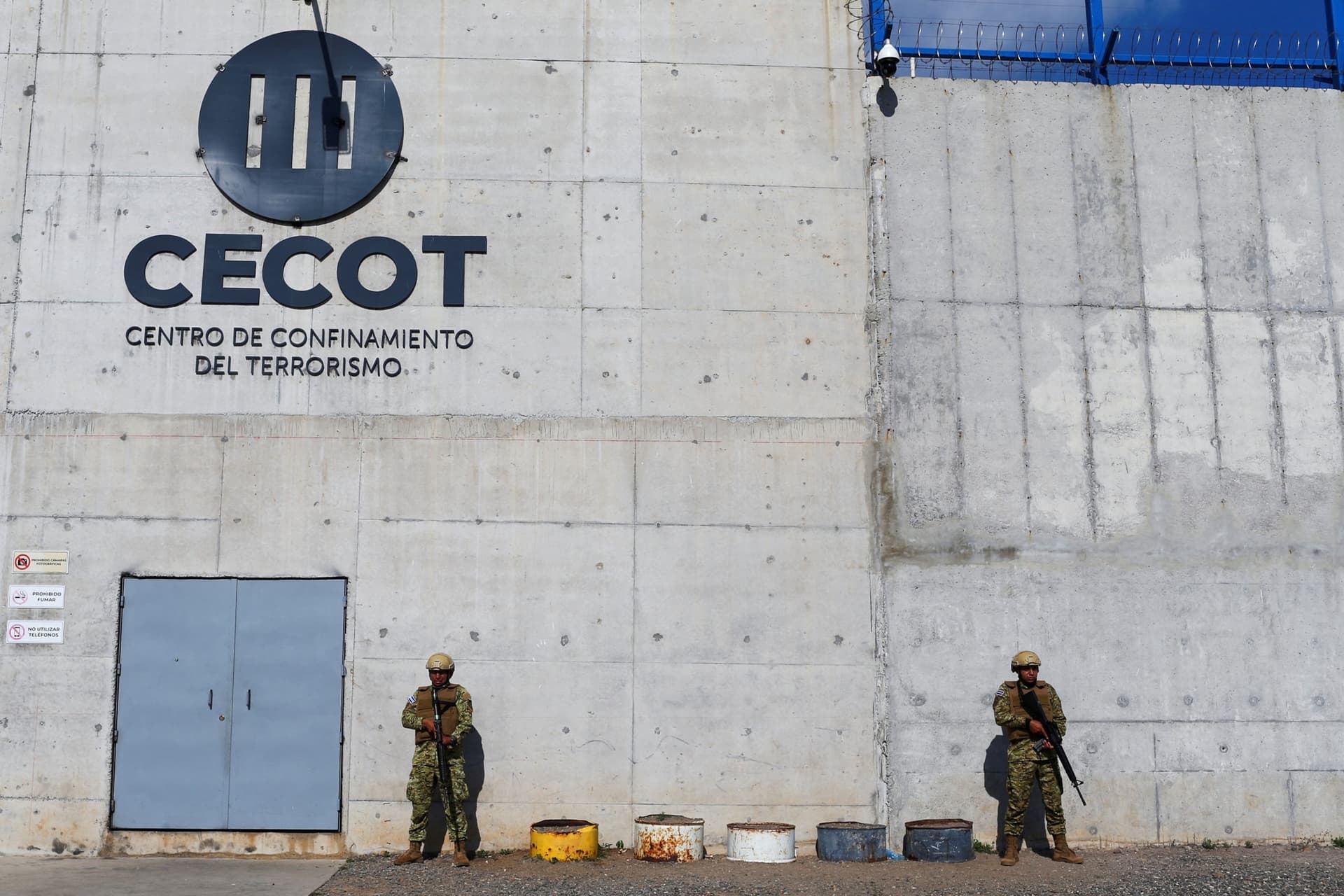
The men had been sent to El Salvador after the administration invoked the Alien Enemies Act of 1798 in mid March 2025, an extraordinary step that the government said targeted members of the Venezuelan criminal group Tren de Aragua. The group of 137 is described in court papers as a subset of more than 200 Venezuelan migrants who were flown to El Salvador and transferred immediately to the CECOT megaprison near San Salvador. The court found that the United States retained legal custody of those held there, leaving the district court with authority to order remedial relief.
Boasberg directed the administration to submit, within a short timeframe, a plan either to facilitate returns or to provide hearings satisfying constitutional requirements. Different accounts report the deadline variously as two weeks and as January 5, reflecting a narrow window for the government to act. The order follows litigation in the case J.G.G. v. Trump, in which a federal judge had temporarily paused deportations under the Alien Enemies Act and required flights to be stopped or turned around.
The procedural ruling resolves a central legal question about custody and the reach of U.S. courts. The judge concluded that cooperation by El Salvador, including the placement of migrants in CECOT, did not sever U.S. responsibility for their detention. Court filings record a factual dispute about which specific flights and which individuals were formally removed under the Alien Enemies Act, and U.S. immigration officials contested some contemporaneous accounts about who was designated under the statute.
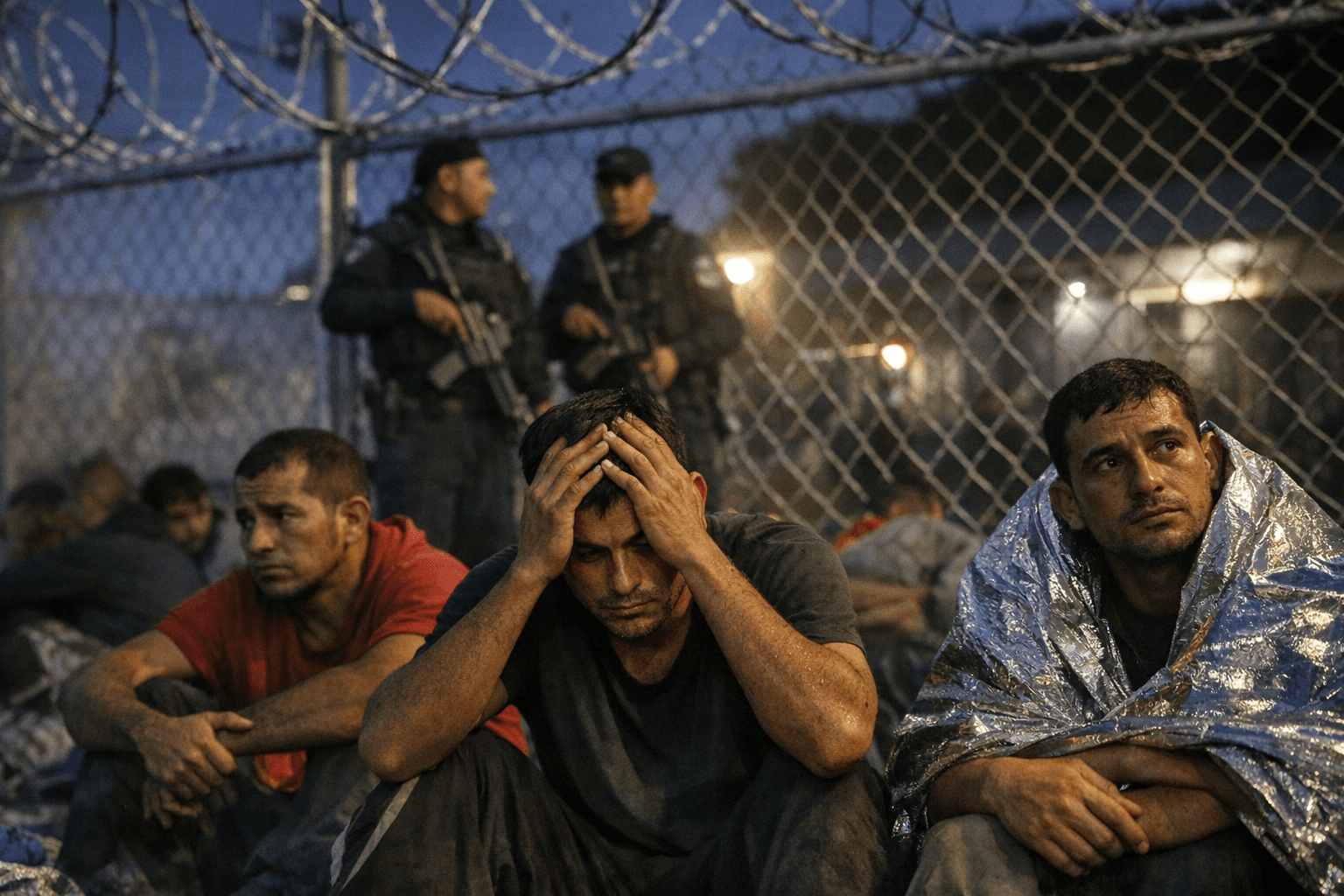
Beyond the immediate legal remedy, the decision revives human consequences for people whose movements and access to care were abruptly interrupted. Attorneys who represented the migrants told the court that El Salvador imprisoned the men at the behest of the United States and that some cooperation was tied to payments. One report cites that El Salvador’s detention of the men was "partly in exchange for $4.7 million." All the Venezuelans held at CECOT were later released in the summer of 2025 and returned to Venezuela in a U.S. brokered prisoner exchange, but the court concluded the prior custody and due process breaches demand redress.
Public health advocates and clinicians warn that rapid deportations and overseas detention can produce lasting harms, from untreated chronic conditions to trauma and ruptured continuity of care. The ruling raises equity questions about the use of an arcane statute in contemporary immigration enforcement and the safeguards necessary when the government transfers people beyond U.S. borders. The administration now faces a choice that will test the judiciary’s power to enforce constitutional protections and the government’s approach to immigration policy.
This article was produced by Prism’s automated news system from verified source data, official records, and press releases, then run through automated quality and moderation checks before publishing. The system is built and supervised by the people who set the standards it runs under. Read our full AI policy.
Did this article answer your question?

