Judge Orders Trump Administration to Resume Funding for CFPB
A federal judge ruled that the Trump administration must continue seeking and providing funding to the Consumer Financial Protection Bureau, rejecting the claim that a lack of Federal Reserve combined earnings barred transfers. The decision preserves the bureau's funding mechanism and raises immediate legal and political questions about executive authority, congressional control of the purse, and the future of consumer protection enforcement.
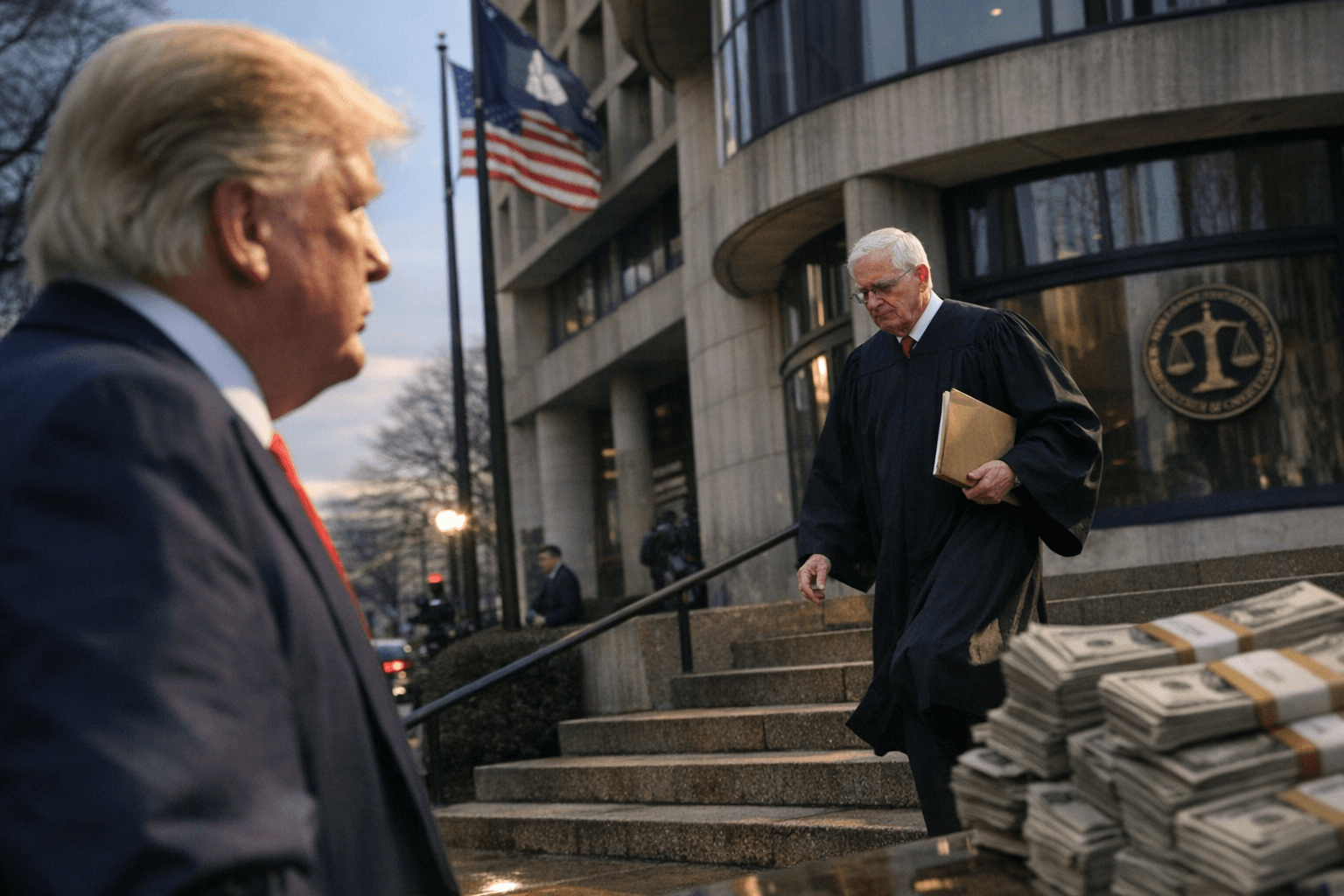
A federal judge on December 30, 2025 issued a 32 page opinion directing the Trump administration to resume seeking and providing funding to the Consumer Financial Protection Bureau, rejecting the administration argument that an absence of Federal Reserve combined earnings prevented payments to the agency. The ruling enforces the funding framework established by the Dodd Frank Act and obliges the executive branch to follow the statutory process that has long underpinned the bureau's independent operations.
The dispute revolved around the CFPB funding mechanism created by Congress in 2010, which allows the bureau to receive transfers of up to 12 percent of the Federal Reserve Board's combined earnings each year, rather than relying on annual appropriations from Congress. The administration argued that where the Federal Reserve reported insufficient combined earnings the statutory trigger for transfers did not occur, and therefore no funds should be provided. The court disagreed, finding that the statute and its purpose require the executive to continue the transfer process and to ensure the bureau can operate.
The decision has immediate operational consequences for the CFPB. By affirming the obligation to pursue funding transfers, the ruling helps ensure continuity in the bureau's supervision of large banks and nonbank financial companies, its enforcement activity against unfair or deceptive practices, and its work on consumer education. The bureau’s investigators, examiners, and enforcement attorneys will face less immediate financial uncertainty, and pending investigations and settlements are less likely to be disrupted by a funding shortfall.
Beyond operational continuity, the opinion carries broader implications for separation of powers and budgetary governance. The court’s reasoning underscores that executive departments and agencies cannot unilaterally decline to execute statutory funding mechanisms on the ground of policy disagreement or technical interpretations of revenue calculations. The ruling may be cited in future disputes where the executive seeks to interpret statutory funding triggers in a way that limits an agency’s operations without congressional action.
Politically, the decision intensifies debate in Congress over the CFPB’s funding model and oversight. Lawmakers who have long criticized the bureau for its independence may renew proposals to change its financing or to subject it to the regular appropriations process. At the same time consumer advocates will point to the ruling as protection for the bureau’s ability to pursue complaints against banks, mortgage services, and other lenders.
The administration now faces a legal crossroads, with options that include complying with the order or seeking appellate review. The ruling will likely be appealed, which could prolong uncertainty even as the immediate mandate requires the resumption of funding steps. For consumers and regulated firms, the judgment temporarily stabilizes the agency charged with policing financial markets for abusive practices, while setting the stage for more litigation and legislative maneuvering over how independent agencies are funded and held accountable.
This article was produced by Prism’s automated news system from verified source data, official records, and press releases, then run through automated quality and moderation checks before publishing. The system is built and supervised by the people who set the standards it runs under. Read our full AI policy.
Did this article answer your question?