Judge rejects Trump tax leak case after DOJ creates fund for allies
A Miami judge reopened Trump’s $10 billion IRS suit after ex-judges said a dismissal may have concealed a settlement tied to a $1.776 billion DOJ fund.
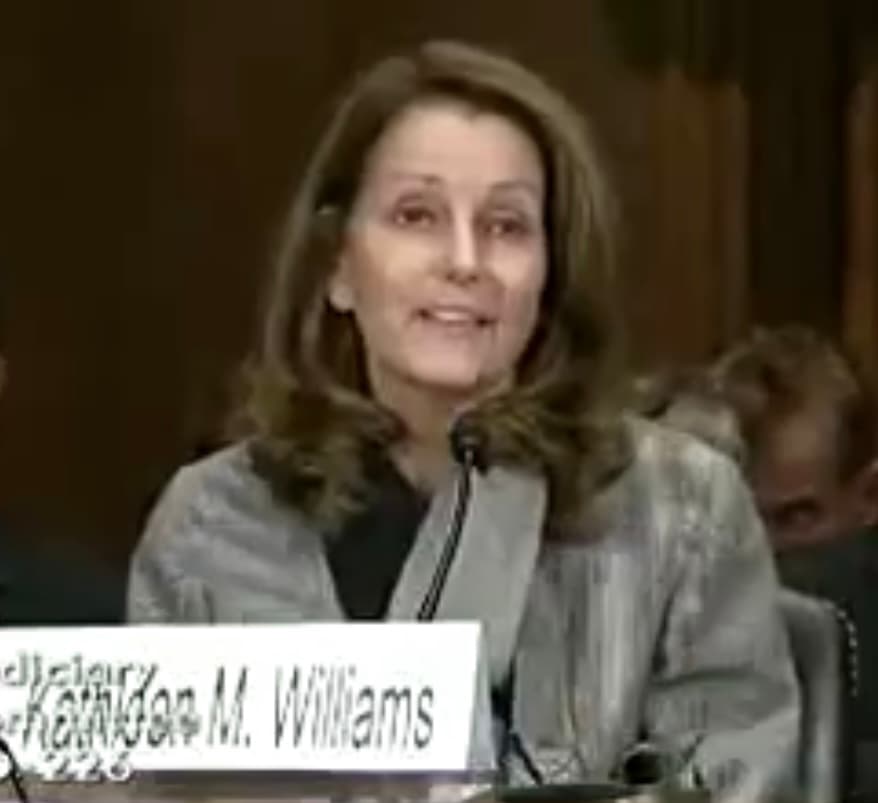
A Miami federal judge reopened Donald Trump’s $10 billion tax-leak lawsuit after 35 former federal judges warned the case may have been tainted by a settlement hidden behind Trump’s voluntary dismissal and a new Justice Department fund for people alleging government “lawfare.”
U.S. District Judge Kathleen Williams of the Southern District of Florida agreed on May 29 to take another look at the suit, which Trump, Donald Trump Jr., Eric Trump and the Trump Organization filed in January 2026 against the Internal Revenue Service. The complaint sought at least $10 billion over the leak of Trump tax information by former IRS contractor Charles Littlejohn, who was sentenced to five years in prison in January 2024 after pleading guilty to unlawfully disclosing tax-return information.
Williams had already signaled in April that the case faced a threshold problem: because Trump, as president, oversees the IRS and the Treasury Department, the lawsuit raised a constitutional question about whether the parties were truly adverse enough for a federal court to hear the dispute. That concern only sharpened after Trump filed a voluntary dismissal with prejudice on May 18.
The same day, the Justice Department announced creation of a $1.776 billion Anti-Weaponization Fund that would be used to settle claims from people who say they were victims of government “lawfare.” Department officials said the fund would draw on the department’s judgment fund, would have authority to issue formal apologies and monetary relief, and would stop processing claims no later than Dec. 15, 2028. The arrangement triggered backlash from Democrats, who called it a slush fund for Trump allies, and from congressional Republicans, who said Congress had not authorized the spending.

The former judges argued on May 27 that the court may have been deceived because Trump’s dismissal papers made no mention of any settlement, even though public Justice Department statements said one existed. They said the omission raised serious questions about possible fraud on the court and manipulation of the judicial process. Williams sided with that concern by reopening the matter for further scrutiny.
The move puts the Justice Department’s handling of the IRS case under a fresh spotlight and raises a broader test for Trump’s litigation strategy: whether a case he tried to walk away from can still be pulled back into court when the dismissal itself appears to be part of the dispute.
This article was produced by Prism’s automated news system from verified source data, official records, and press releases, then run through automated quality and moderation checks before publishing. The system is built and supervised by the people who set the standards it runs under. Read our full AI policy.
Did this article answer your question?

