Judge rules Virginia violated Reconstruction law by disenfranchising felons
A federal judge ruled Virginia's automatic felony disenfranchisement violated a Reconstruction-era law, potentially restoring voting rights for some people.
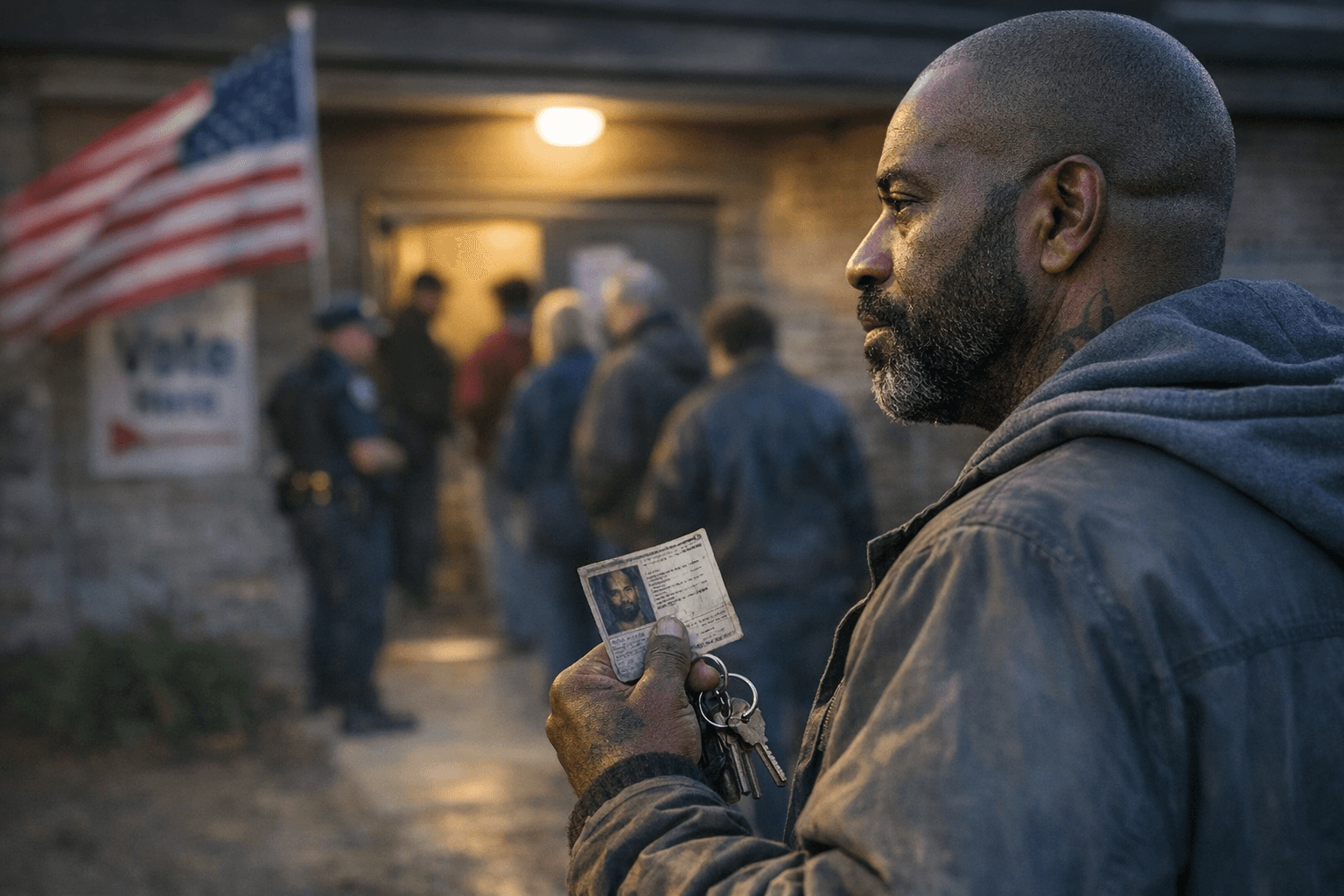
U.S. District Judge John A. Gibney Jr. found on Jan. 23 that Virginia's long-standing practice of automatically stripping voting rights for people convicted of a broad array of modern statutory felonies ran afoul of the Virginia Readmission Act, a Reconstruction-era federal condition placed on the state's return to the Union. The ruling followed a legal challenge brought by two plaintiffs who argued that the state's expansive disenfranchisement scheme exceeded the scope of authority permitted by the post-Civil War statute.
Judge Gibney concluded that the state's automatic removal of suffrage for people convicted of contemporary statutory offenses conflicted with the federal terms that governed Virginia's readmission. The decision frames the dispute as a clash between a 19th-century federal condition designed to constrain state power over voting and modern state criminal codes that have greatly expanded the list of offenses carrying collateral consequences. The ruling does not immediately restore voting rights across the state; implementation will depend on the judge's orders and whether state officials seek review from a higher court.
The case revives long-standing debates over felony disenfranchisement, racial inequality and democratic participation. Critics of broad disenfranchisement policies note that they have disproportionately affected Black Virginians and communities with high levels of poverty and criminal legal supervision. Advocates for restoration of voting rights argue that exclusion from the ballot box weakens civic voice, reduces representation for marginalized communities and shapes policymaking in ways that can exacerbate health and social disparities.
Public health experts and community leaders say the consequences of disenfranchisement extend beyond electoral margins. Voting determines priorities and funding for services that directly affect community well-being, including Medicaid coverage, mental health care, substance use treatment, housing assistance and local public health infrastructure. When whole groups are systematically excluded from electoral participation, their needs are less likely to be reflected in budgets and legislation, with downstream effects on population health and health equity.
Legal scholars contend the ruling could have ripple effects beyond Virginia if other states’ disenfranchisement regimes are framed as inconsistent with federal constraints rooted in Reconstruction statutes. In Virginia, the immediate practical effects will hinge on whether the state appeals and how courts define the interaction between historical federal readmission conditions and modern statutory crimes.
For people living under the shadow of felony collateral consequences, the decision represents more than a technical legal victory; it raises the possibility of formal recognition that civic reintegration is part of reentry. Restoring voting rights can alter how communities are represented and how policymakers are held accountable to populations that face high burdens of illness, trauma and economic instability.
The ruling underscores how legal structures formed more than a century ago still shape contemporary governance, sometimes clashing with modern statutory schemes. It also highlights the intersection of criminal law, voting rights and public health policy, and it will prompt renewed scrutiny of whether current disenfranchisement practices align with federal commitments made during Reconstruction. State officials have not yet announced whether they will seek appellate review.
This article was produced by Prism’s automated news system from verified source data, official records, and press releases, then run through automated quality and moderation checks before publishing. The system is built and supervised by the people who set the standards it runs under. Read our full AI policy.
Did this article answer your question?

