Judge shopping indictment against LGBTQ lawyer Carl Charles dismissed
A sealed court order ended Carl Charles’s criminal case, cutting off a rare prosecution born from Alabama’s transgender-care fight. The docket shows the matter was terminated on February 11.

The criminal case against Carl Charles, a Lambda Legal attorney tied to the challenge over Alabama’s ban on gender-affirming care for transgender youth, has been dismissed under a sealed court order. Court records show the matter was terminated on February 11, ending a prosecution that began as a test of how aggressively federal power could be used in a politically charged legal fight.
The case grew out of a judge-shopping inquiry in litigation challenging Alabama’s Vulnerable Child Compassion and Protection Act, the state law restricting gender-affirming care for minors. U.S. District Judge Liles C. Burke of the Northern District of Alabama set that inquiry in motion, and a three-judge panel later examined allegations that Charles and two other attorneys had tried to steer the case toward a preferred judge. In the larger context, the inquiry was never just about courtroom procedure. It became a flashpoint over whether lawyers in high-stakes civil rights litigation were being policed for misconduct or targeted for advancing a disfavored cause.
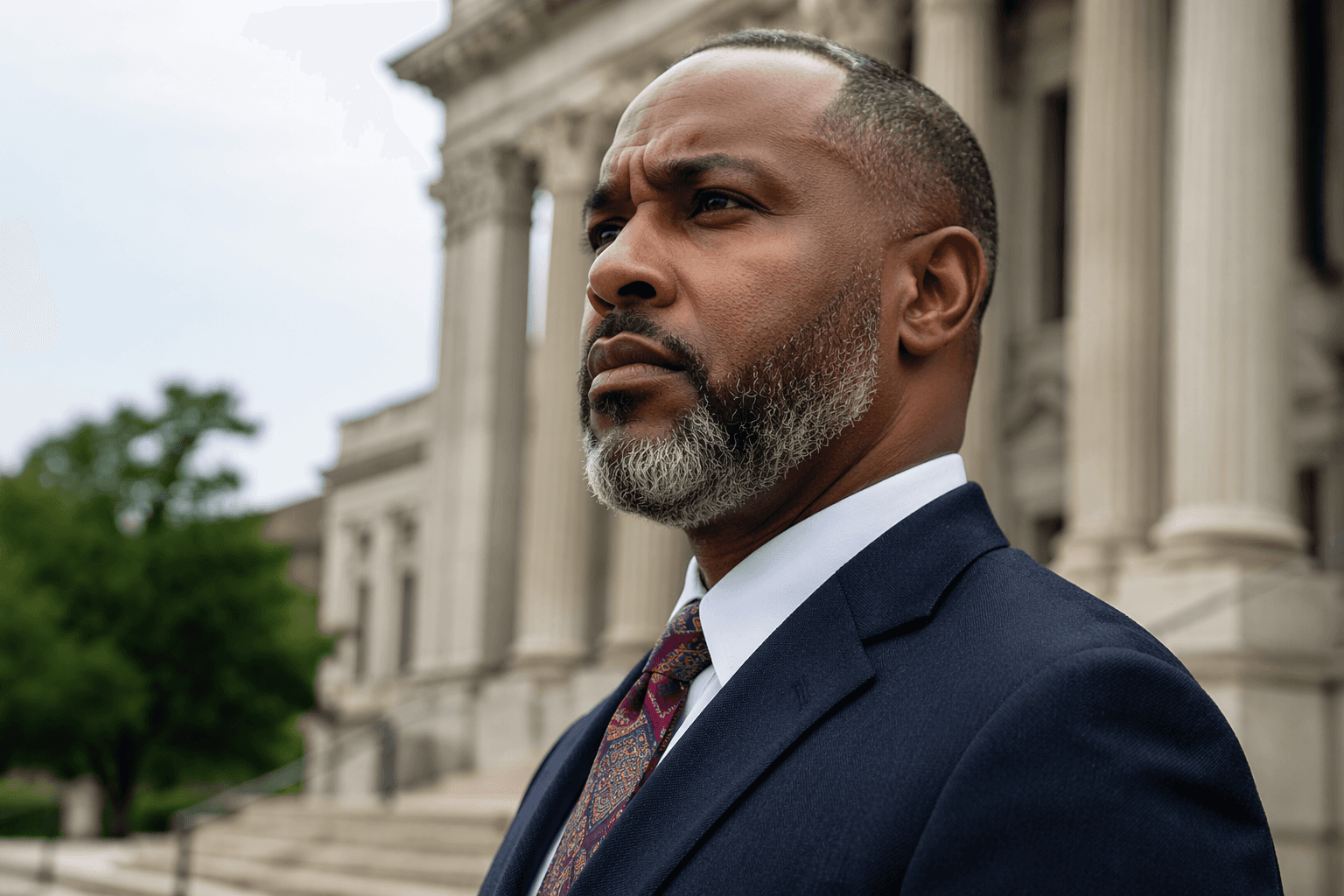
Charles was indicted in September 2025 in federal court in Montgomery, Alabama, on a charge that he lied during the inquiry. Lambda Legal, where Charles serves as Elayne Cassidy Nicholas Memorial Counsel for Trans and Nonbinary Rights based in Atlanta, described the indictment as “an outrageous act of governmental overreach.” The group has used Charles as a public face in transgender-rights litigation, underscoring how prominent he became in the fight over state restrictions on care for trans youth.
The dismissal leaves the government’s theory unresolved in public. Because the order is sealed, the U.S. Attorney’s Office for the Middle District of Alabama said it could not comment on the nature or terms of the resolution. Charles’s lawyer did not respond to requests for comment. That secrecy means the public still does not know whether prosecutors backed away because of evidentiary weakness, an undisclosed agreement, or another reason entirely.
What is clear is that a rare criminal offshoot of the Alabama transgender-care litigation has now ended quietly, without an explanation that would let the public judge the strength of the case. For critics of the prosecution, that quiet exit will feed the argument that extraordinary legal tools were being pressed into service against lawyers in a culture-war case. For prosecutors, the sealed dismissal leaves no public record of vindication. The case is over, but the broader question it raised about the use of prosecutorial power remains open.
This article was produced by Prism’s automated news system from verified source data, official records, and press releases, then run through automated quality and moderation checks before publishing. The system is built and supervised by the people who set the standards it runs under. Read our full AI policy.
Know something we missed? Have a correction or additional information?
Submit a Tip