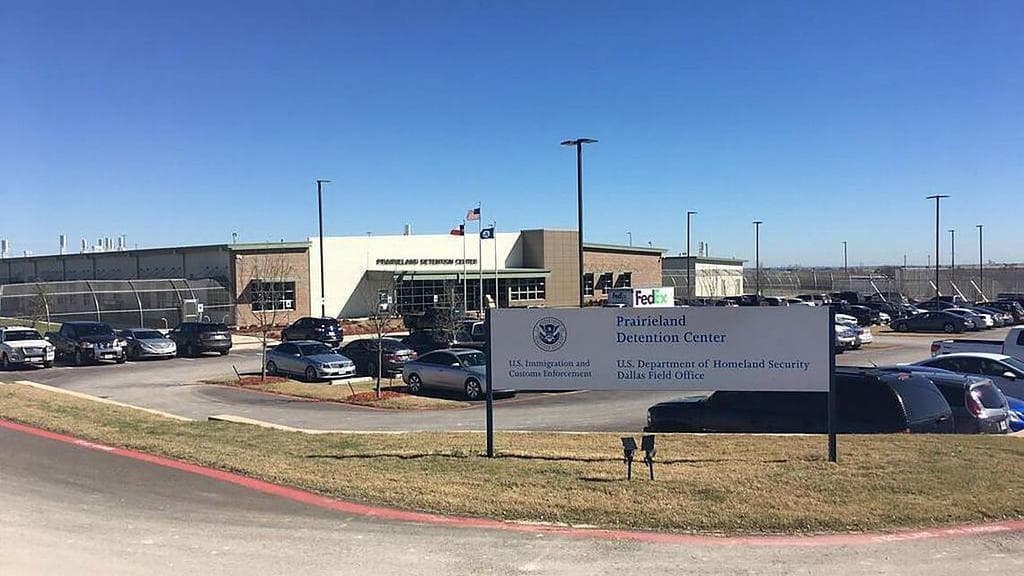
Judge strikes down Trump courthouse arrest policy for immigrants
A federal judge vacated Trump-era courthouse arrest policies, restoring a 12-hour detention cap and narrow limits on arrests at immigration courts. The case began with an asylum seeker taken after a San Francisco hearing.
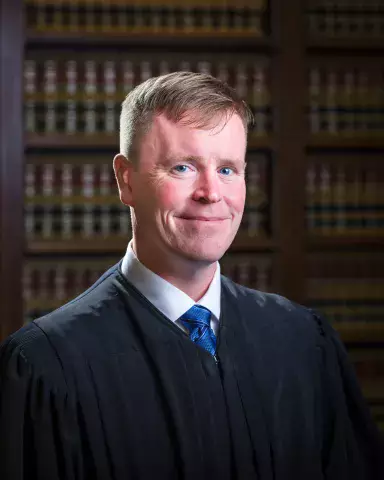
A federal judge in California struck down Trump administration policies that expanded immigration arrests at courthouses and lengthened how long some noncitizens could be held in short-term facilities, restoring tighter Biden-era limits. U.S. District Judge P. Casey Pitts, a Biden appointee on the Northern District of California bench, issued the 71-page ruling on Tuesday in a case brought by an asylum seeker arrested after leaving a routine hearing at a San Francisco immigration court.
The decision vacated policies from U.S. Immigration and Customs Enforcement and the Executive Office for Immigration Review that had widened courthouse arrests nationwide and loosened detention rules. Pitts reinstated the earlier restrictions that confined courthouse arrests to narrow situations such as national security threats, imminent danger or hot pursuit, and he restored a 12-hour cap on short-term detention. The court also rejected the government’s explanation for changing course, saying the agencies had failed to give reasoned explanations for rescinding the prior policies, as required by the Administrative Procedure Act.
ICE began arresting or detaining noncitizens at hearings and check-ins in May 2025, including in Miami, Seattle and Chicago. An ICE memo dated May 20, 2025 told trial attorneys to help with courthouse arrests by moving to dismiss cases and giving deportation officers advance notice. In Northern and Central California, KQED counted more than 100 arrests since May 2025.
Courthouse arrests turned mandatory appearances into traps, discouraged people from showing up as witnesses, victims or defendants, and frightened others away from defending themselves in immigration court.
In December 2025, Pitts blocked a separate ICE re-arrest policy in Garro Pinchi v. Noem, an order that applied across ICE’s San Francisco Area of Responsibility, which includes Northern and Central California, Hawaii, Guam and Saipan. The case was provisionally certified as a class action.
DHS General Counsel James Percival called the ruling “naked judicial activism in service of an anti-American, open borders agenda.”
This article was produced by Prism’s automated news system from verified source data, official records, and press releases, then run through automated quality and moderation checks before publishing. The system is built and supervised by the people who set the standards it runs under. Read our full AI policy.
Know something we missed? Have a correction or additional information?
Submit a Tip