Judge strikes down Trump’s $100,000 H-1B visa fee
A Boston judge voided Trump’s $100,000 H-1B fee, calling it an unauthorized tax and upending hiring costs for tech firms, hospitals and universities.
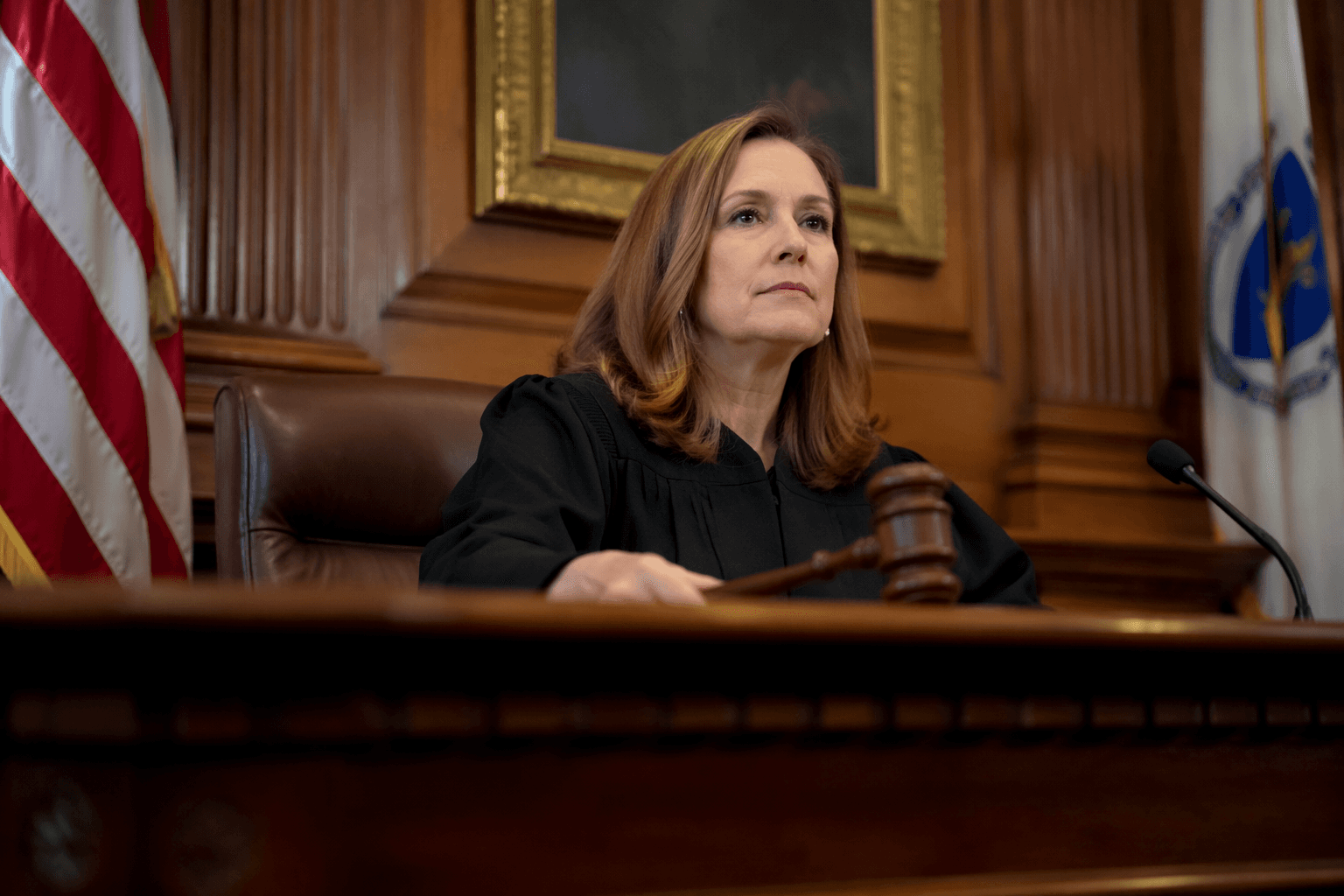
A federal judge in Boston has blocked a $100,000 H-1B fee that was already changing hiring decisions for software companies, universities, hospitals and other employers that rely on specialized foreign workers. U.S. District Judge Leo Sorokin ruled that President Donald Trump could not effectively impose a new tax on employers by relabeling it as a fee or penalty under immigration law, making the case as much about separation of powers as about visas.
The lawsuit was filed December 12, 2025, in U.S. District Court for the District of Massachusetts by 20 Democratic state attorneys general from Arizona, California, Colorado, Connecticut, Delaware, Hawaii, Illinois, Maryland, Massachusetts, Michigan, Minnesota, Nevada, New Jersey, New York, North Carolina, Oregon, Rhode Island, Vermont, Washington and Wisconsin. The states argued that the policy would sharply raise the cost of hiring foreign workers and exceeded presidential authority. Sorokin agreed, saying the administration could not use immigration powers to do what Congress had not authorized.
Trump announced the fee in a proclamation on September 19, 2025, and the government said it would apply to new H-1B petitions filed at or after 12:01 a.m. Eastern Daylight Time on September 21, 2025. U.S. Citizenship and Immigration Services said the extra $100,000 had to be paid through Pay.gov, unless an approved exception was documented, on top of the program’s existing filing and related fees. Before that change, employers typically paid about $960 to $7,595, according to one law firm estimate, a fraction of the new charge.
The fee landed in one of the most tightly controlled visa programs in the federal code. Congress caps H-1B visas at 65,000 a year, plus 20,000 for workers with U.S. advanced degrees, for a total annual limit of 85,000. USCIS says the program is meant for specialty occupations that require highly specialized knowledge and at least a bachelor’s degree or its equivalent. For fiscal 2026, the agency had already reached the cap and reported about 336,153 registrations for eligible unique beneficiaries, underscoring how intensely employers compete for the visas. A congressional research summary says about two-thirds of H-1B workers are in computer-related jobs, and USCIS says systems analysis and programming is the largest detailed occupational group, accounting for 50 percent of approved beneficiaries.
Opposition quickly spread beyond Silicon Valley. The American Medical Association and 53 medical societies urged the Department of Homeland Security to exempt physicians. The Association of American Medical Colleges warned that the fee would worsen the physician shortage and hurt recruitment of physicians and medical researchers. An American Hospital Association fact sheet found that more than 70% of responding hospitals and health systems expected the increase to affect patient care. California Attorney General Rob Bonta said the policy threatened the state’s economy and its public institutions’ ability to hire, while the White House said Trump had clear authority to restrict entry by foreign nationals whose presence he considered contrary to U.S. interests. Taylor Rogers said the administration was confident the order would be reversed on appeal.
This article was produced by Prism’s automated news system from verified source data, official records, and press releases, then run through automated quality and moderation checks before publishing. The system is built and supervised by the people who set the standards it runs under. Read our full AI policy.
Did this article answer your question?

