Judge to weigh contempt claim in Charlie Kirk assassination case
A Utah judge weighed whether prosecutors crossed a court order by talking about bullet evidence on Fox News, a dispute tied to the fairness of a capital case.
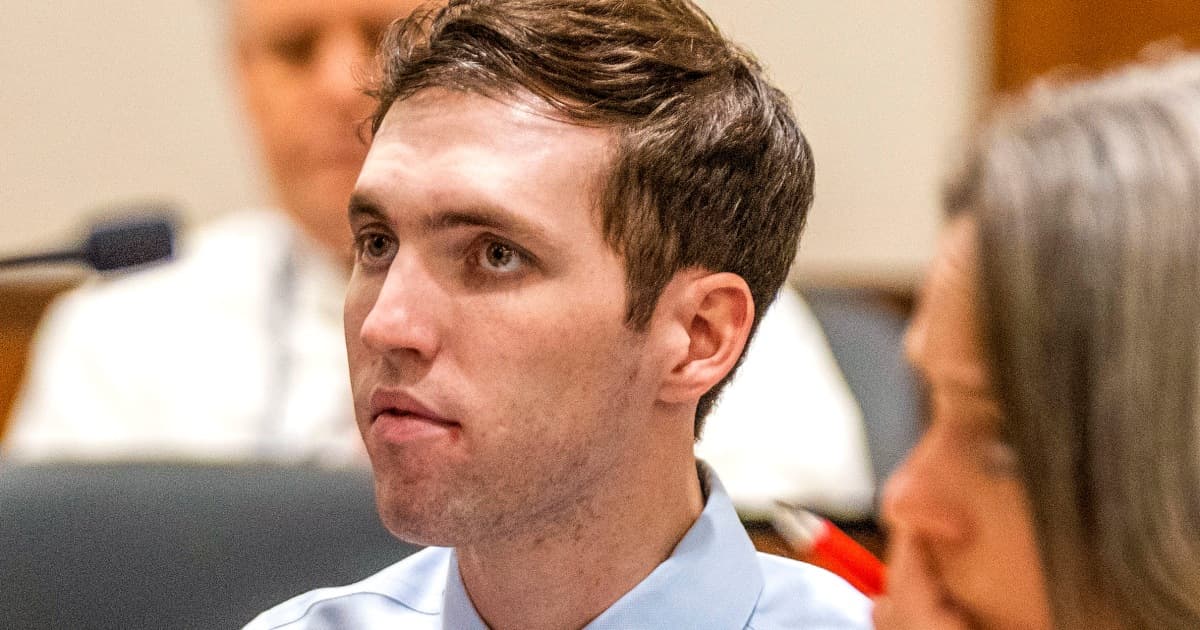
A Utah judge weighed whether prosecutors crossed a line in one of the country’s most closely watched murder cases, as Tyler Robinson’s defense pressed for contempt sanctions over public comments about bullet evidence. The dispute went to the heart of due process in a death penalty prosecution: how far lawyers can go in defending their case publicly before pretrial publicity begins to threaten a fair trial.
Tyler Robinson, 23, appeared Friday before Fourth District Judge Tony Graf Jr. in Provo, Utah, where the court set an evidentiary hearing on an alleged gag-order violation. Robinson is charged with aggravated murder, felony discharge of a firearm causing serious bodily injury, two counts of obstruction of justice, two counts of witness tampering and commission of a violent offense in the presence of a child. Prosecutors have said they intend to seek the death penalty if he is convicted.
The contempt dispute centered on Deputy Utah County Attorney Christopher Ballard’s appearance on Fox News in April, which defense lawyers described as a “contemptuous media tour.” They argued Ballard violated a court order by discussing bullet evidence and by stepping outside the limits Graf had placed on out-of-court statements. The defense said the state’s public comments risked poisoning the process in a case already saturated with national attention.
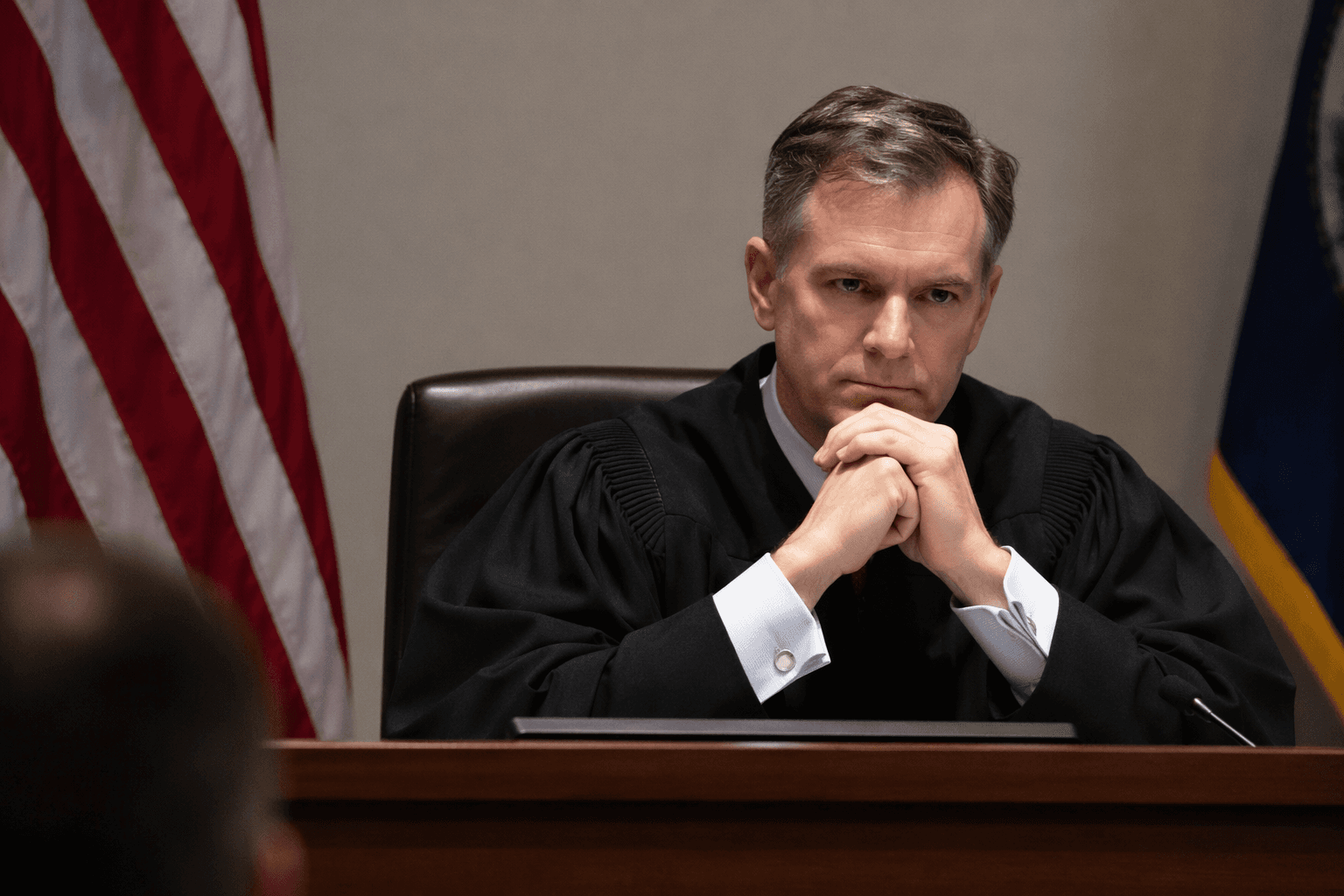
Prosecutors countered that they were responding to what they called misleading public statements from the defense about an ATF ballistics report. They argued the rules allowed them to “set the record straight,” and said the defense had sparked widespread coverage by filing a March 27 motion that highlighted an initial report they said could not identify the recovered bullet as matching the rifle tied to Robinson. Prosecutors said the report was preliminary, did not exclude the rifle and had been distorted in public debate.
Graf had already ruled on June 1 that the preliminary hearing would remain open to the public, while allowing media access to be limited for certain exhibits. That balance reflected the court’s broader challenge: preserving transparency in a case that has drawn weeks of intense attention while preventing the public record from being shaped by lawyers’ television appearances and competing talking points.
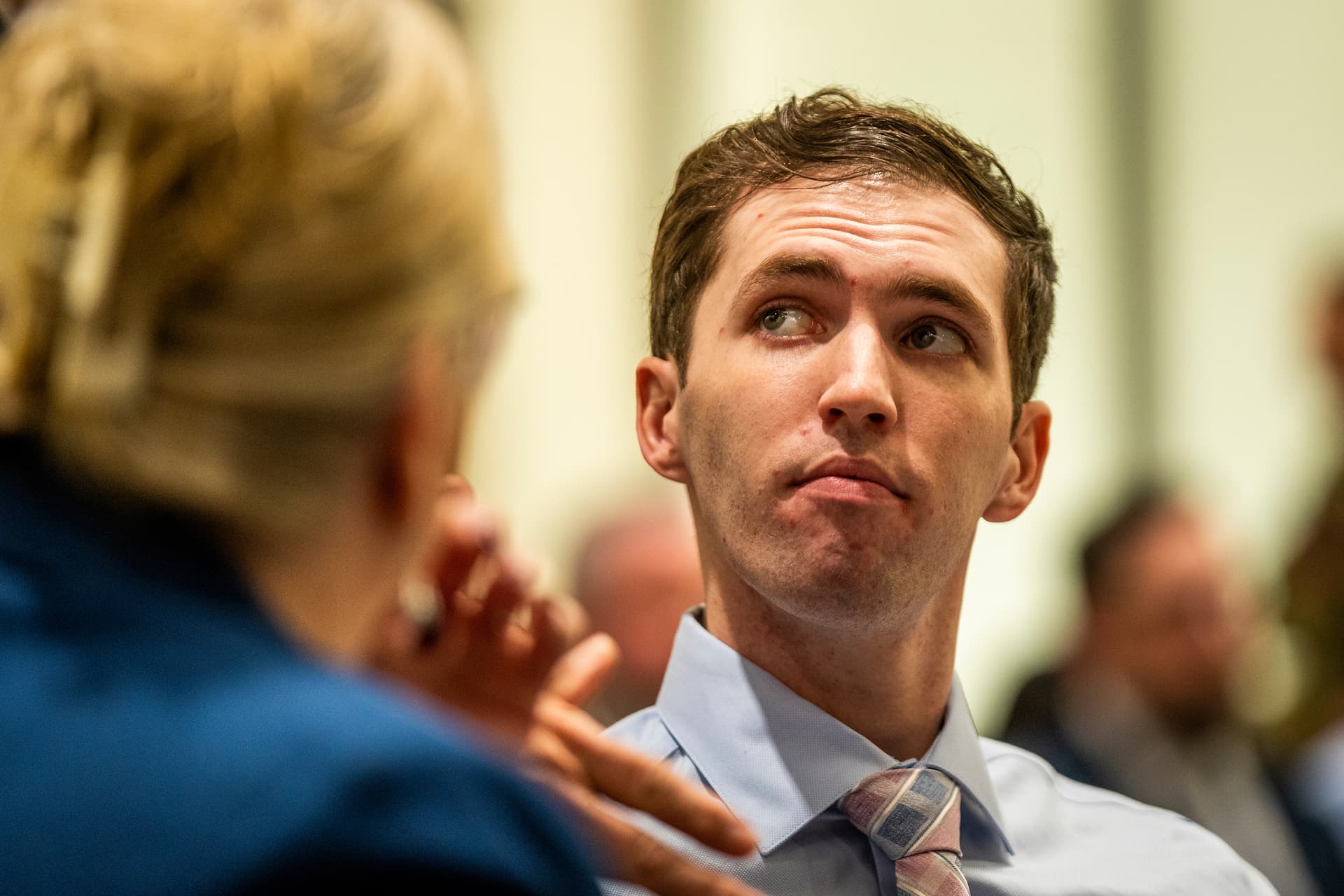
The judge did not rule Friday on any sanctions, leaving open whether prosecutors would face punishment if found in contempt. Robinson, who turned himself in to a sheriff’s office on September 11, 2025, has not yet entered a plea. The case stems from the shooting death of Charlie Kirk on September 10, 2025, during a Utah Valley University event in Orem, a killing that turned a criminal proceeding into a test of courtroom discipline as much as evidence.
This article was produced by Prism’s automated news system from verified source data, official records, and press releases, then run through automated quality and moderation checks before publishing. The system is built and supervised by the people who set the standards it runs under. Read our full AI policy.
Know something we missed? Have a correction or additional information?
Submit a Tip

