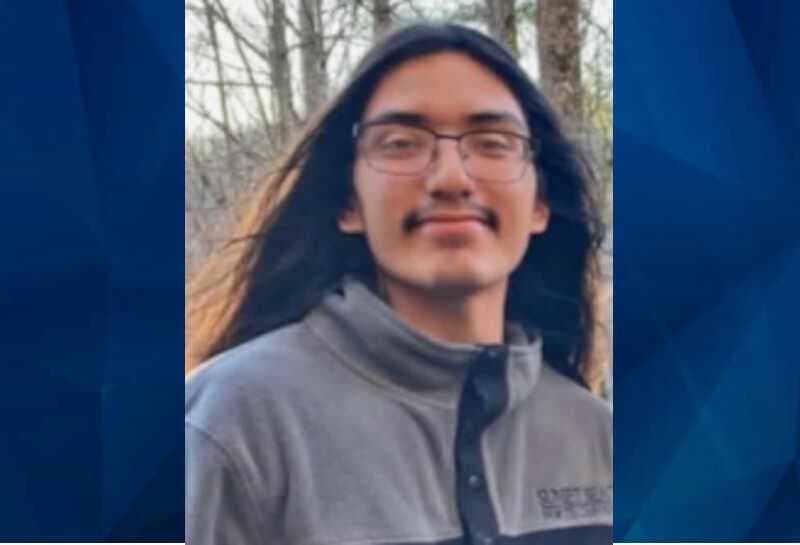
Judge Tony Graf Jr. Denies Disqualification in Charlie Kirk Murder Case
Judge Tony Graf Jr. issued an oral ruling today refusing to disqualify Utah County prosecutors in the murder case against 22-year-old Tyler Robinson, rejecting a defense conflict claim tied to a prosecutor's daughter who attended the Sept. 10 Utah Valley University event.

Judge Tony Graf Jr. issued an oral ruling today in Fourth District Court in Provo denying the defense motion to disqualify Utah County prosecutors from the murder case against 22-year-old Tyler Robinson, the man accused of killing conservative activist Charlie Kirk at a September 10 event at Utah Valley University. The motion argued a conflict of interest because the adult daughter of Deputy County Attorney Chad Grunander attended the event; Graf found the court unpersuaded that that relationship swayed prosecutorial decisions.
Prosecutors told the court they do not need Grunander’s daughter as a witness because, they say, numerous other recordings capture the shooting. Court filings cited by media describe at least one video that “shows the bullet hitting Kirk, blood coming from his neck, and Kirk falling from his chair.” Utah County Attorney Jeff Gray was questioned at a prior hearing about when the office decided to seek the death penalty, a point defense lawyers used to argue prosecutors acted from a “strong emotional reaction.”
The disqualification fight played out after multiple pretrial hearings stretching back to late 2025. Robinson made his first court appearance by video feed on Sept. 16 before Judge Graf, and Salt Lake City attorney Kathryn Nester was appointed to defend him on Sept. 24. The court has already ruled on several procedural points: on Oct. 27 Graf permitted Robinson to wear civilian clothes but required that he remain physically restrained and barred media from photographing or filming those restraints. A December 11, 2025 photo shows Robinson in Fourth District Court; since his arrest he has been held without bail in the Utah County Jail in Spanish Fork.
The judge also sharply criticized defense counsel during the oral ruling for what the court described as not prioritizing hearings in the high-profile case, language reflected in courtroom reporting and live coverage. Trial attorney Jeremy Rosenthal, speaking on a LiveNOW from FOX segment covering the hearing, called Graf’s decision “a really long well-reasoned opinion” and described the defense’s effort as “a long shot by the defense, but something that was probably worth it... you're always trying in a death case to create as much value as you can to try to avoid right the death penalty.”
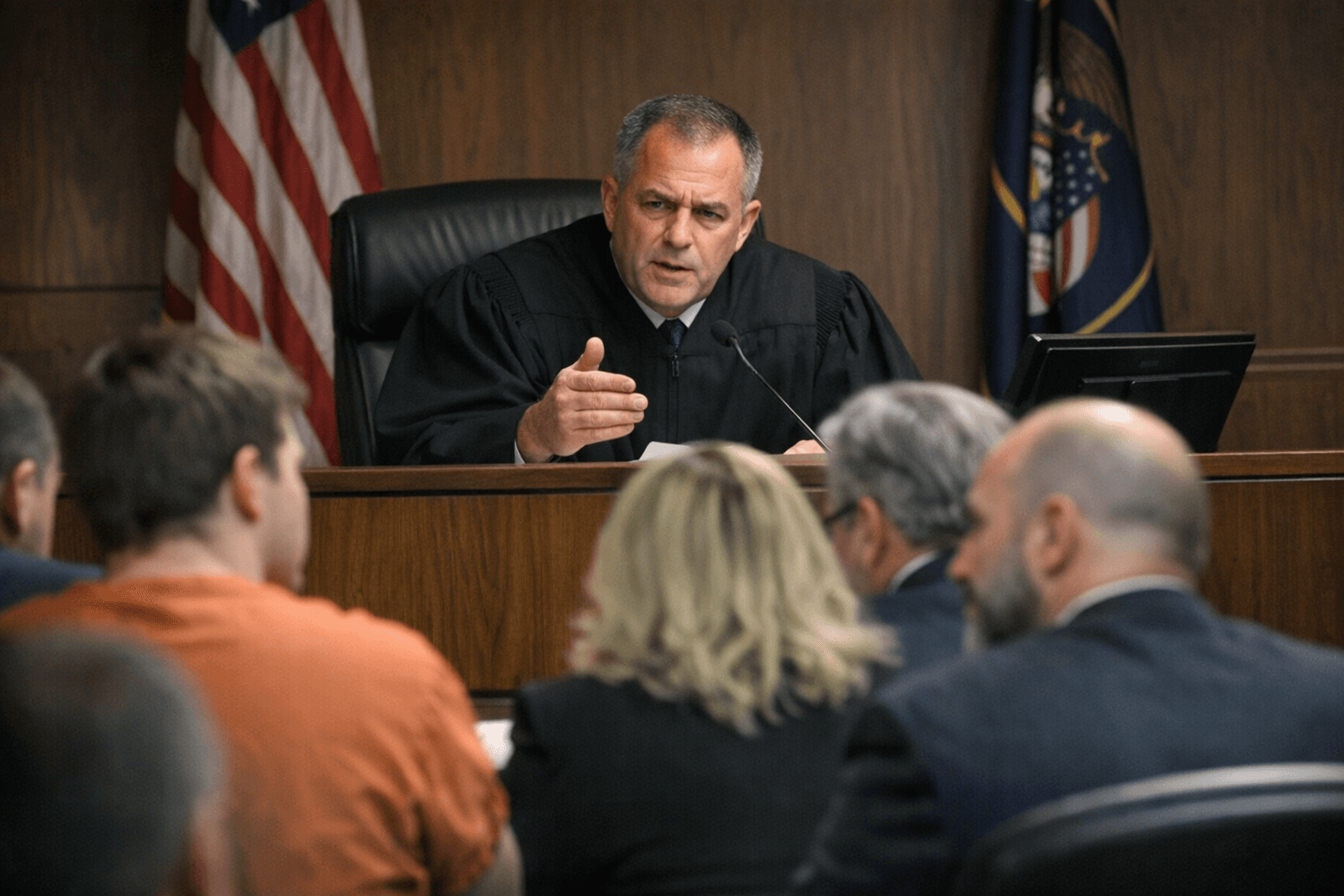
Media and courtroom conduct have been a recurring flashpoint. ABC11 reported that a camera operator violated court orders by zooming in on Robinson’s face during a Jan. 16 hearing; Graf halted filming for the remainder of that proceeding. Defense filings have also sought to seal accusations of media bias, arguing unsealing would “simply generate even more views of the offending coverage, and more revenue for the News Media.”
The ruling keeps Utah County prosecutors, including Deputy County Attorney Chad Grunander and the office led by Jeff Gray, on the case and preserves their asserted access to the recordings they say show the shooting. Separately, Sen. Dick Durbin has cited a whistleblower claim that the FBI's shooting-reconstruction team was delayed by a day because of the FBI director; the brief excerpt of that claim does not identify the director, and separate congressional records show FBI Director Kash Patel faced questioning on Sept. 16, 2025 about his handling of the investigation. With Graf's denial, the case proceeds toward further pretrial litigation over evidence and the prosecution’s death-penalty posture.
Know something we missed? Have a correction or additional information?
Submit a Tip%3Amax_bytes(150000)%3Astrip_icc()%3Afocal(740x426%3A742x428)%2Fceline-cremer-search-121525-1-ab23f512429c4f75b9dfa51b541303b5.jpg&w=1920&q=75)