Judge weighs jury trial for D4vd in Celeste Rivas Hernandez murder case
A Los Angeles County judge is weighing whether evidence from an autopsy, DNA and Burke’s phone is enough to send the Celeste Rivas Hernandez murder case to trial.
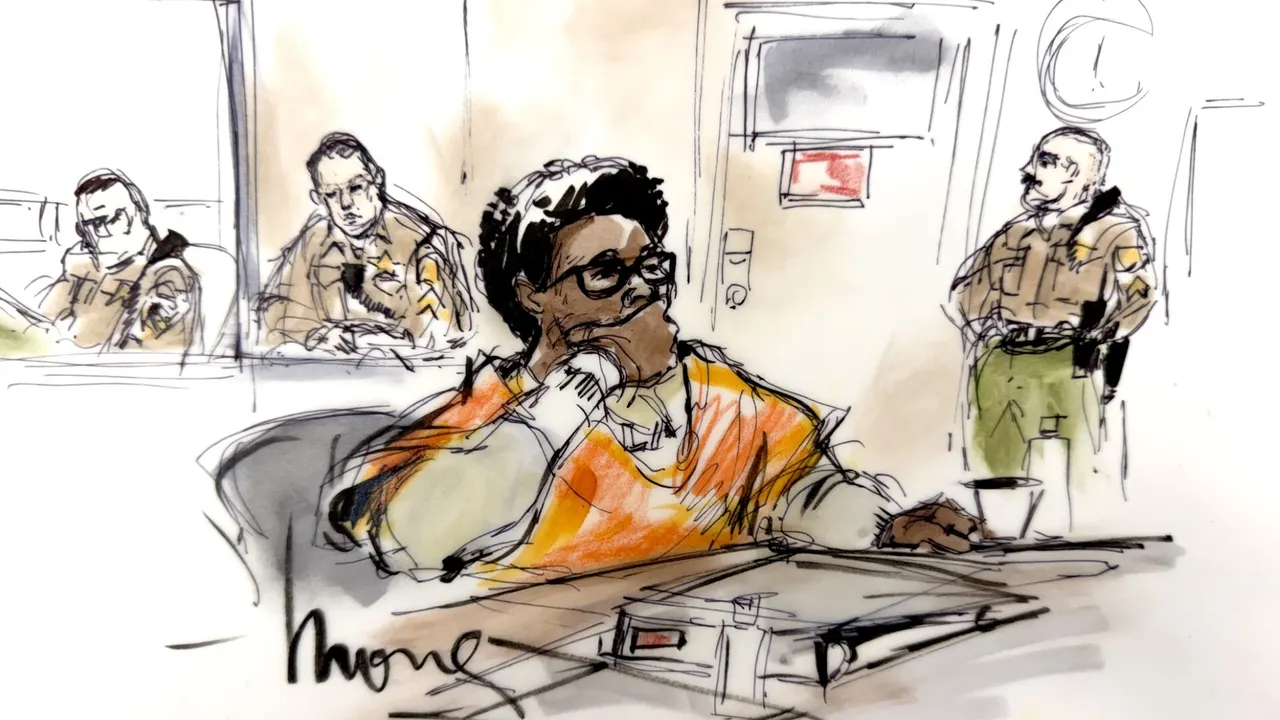
Los Angeles County prosecutors used a fourth day of testimony to press for a jury trial of David Anthony Burke, the singer known as D4vd, in the killing of 14-year-old Celeste Rivas Hernandez. The judge now must decide whether the evidence presented in the preliminary hearing is strong enough to hold Burke, who was 21, for first-degree murder trial.
The hearing began July 21 and centered on the legal threshold that governs this stage of the case: prosecutors do not have to prove guilt beyond a reasonable doubt, but they do have to show enough evidence for a judge to conclude the case can proceed. That standard is now being tested through testimony from law enforcement officers, criminalists and a medical examiner who handled Rivas Hernandez’s autopsy.
The County of Los Angeles Medical Examiner described the teenager’s fatal injuries and the condition of her body, testimony that went directly to how she died and why prosecutors are treating the case as a homicide. Court evidence also included photographs of Rivas Hernandez’s dismembered body, which investigators said was found in a Tesla registered to Burke in September 2025. Rivas Hernandez had been reported missing in the spring of 2025.
A police criminalist testified that DNA consistent with Rivas Hernandez was found on evidence seized from Burke’s rented Hollywood Hills home. Prosecutors also introduced blood-stain evidence tied to the teen, further linking material collected during the investigation to the victim. In a case built around whether the prosecution can clear the preliminary hearing bar, that forensic evidence is central because it helps connect Burke to the victim and to the places investigators searched.
The hearing also widened beyond the physical evidence. Testimony addressed Burke’s earnings as possible motive evidence, while a detective said Burke’s phone contained sexual photos of the teen and messages discussing abortion. Prosecutors have described an alleged relationship between Burke and Rivas Hernandez and suggested she threatened to expose it.
If the judge finds probable cause, the case moves to trial, where prosecutors would still have to prove first-degree murder before a jury. For now, the decision turns on whether the evidence already presented is enough to justify that next step in a case that has drawn intense attention because it involves the death and dismemberment of a minor.
This article was produced by Prism’s automated news system from verified source data, official records, and press releases, then run through automated quality and moderation checks before publishing. The system is built and supervised by the people who set the standards it runs under. Read our full AI policy.
Did this article answer your question?