Justice Department accuses EEOC of pressuring race-based hiring preferences
The Justice Department says the EEOC is pushing employers toward race-based preferences, just as Washington hardens its stance on DEI and disparate impact.
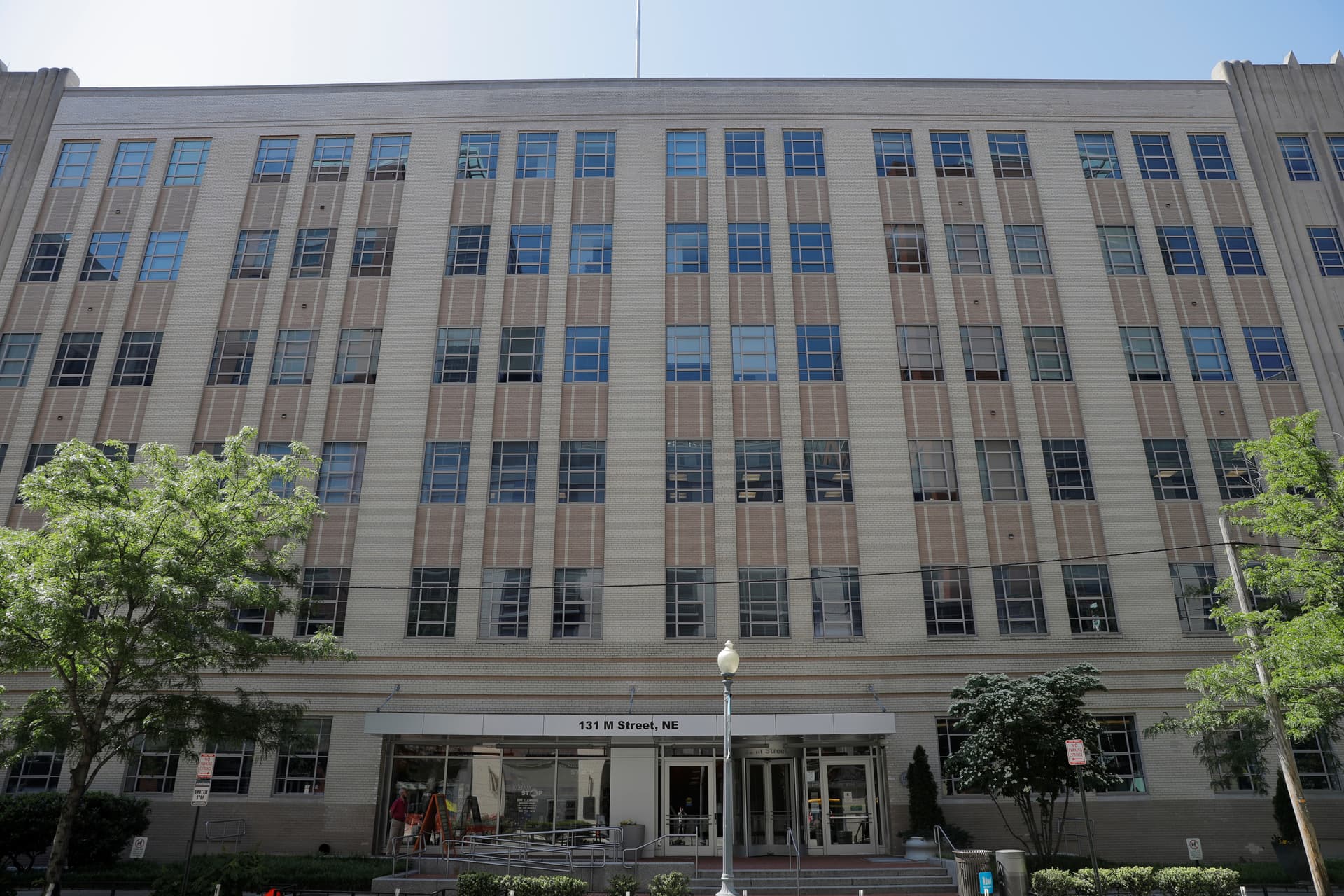
The Justice Department has turned its scrutiny inward, accusing the Equal Employment Opportunity Commission of using guidance that can pressure employers toward race-based hiring and promotion decisions. The dispute is a sharp test of how the Trump administration is interpreting civil-rights law in the workplace, and what now counts as lawful DEI policy for employers.
The conflict builds on joint technical assistance the EEOC and Justice Department released on March 19, 2025, warning that DEI-related policies, programs and practices may violate Title VII if employment actions are motivated in whole or in part by race, sex or another protected characteristic. The agencies said Title VII does not permit race- or sex-based preferences, even when an employer says the goal is diversity, equity or inclusion.
The EEOC widened that posture on June 4, 2026, when commissioners voted to replace the Biden administration’s FY 2024-2028 Strategic Enforcement Plan with a new National Enforcement Plan. The new plan prioritizes intentional discrimination cases, including DEI-related bias, and says the agency will eliminate disparate-impact theories in investigations to the maximum degree possible and drop litigation advancing those claims. It specifically flags race- or sex-based quotas, diverse slate policies, diverse hiring panels, required diversity statements, compensation tied to diversity goals and sharing race or sex data with managers or non-HR personnel.
That change matters because the EEOC is the only federal agency authorized to investigate and litigate private-sector employers for federal employment-discrimination violations. For public employers, it shares jurisdiction with the Justice Department, giving the administration a direct role in policing hiring, promotion and training practices across government and business.
The shift has already shown up in other federal actions. On June 26, 2025, the Justice Department opened an investigation into the University of California system over alleged race- and sex-based hiring practices tied to its UC 2030 Capacity Plan. In that plan, the department said, campuses were directed to hire “diverse” faculty members to meet race- and sex-based employment quotas. On December 9, 2025, the department issued a final rule under Title VI eliminating disparate-impact liability from those regulations, saying federally funded recipients would be judged on actual conduct rather than statistical outcomes.
EEOC Chair Andrea Lucas has said employers cannot avoid scrutiny by relabeling DEI as “belonging” or “EO” when the practice functions like a race- or sex-based preference. The commission’s guidance documents are approved by majority vote and draw on statutes, legislative history, prior policy, case law and other legal sources, but the direction now is unmistakable: employers face a narrower path for DEI programs and a much wider field of legal exposure.
This article was produced by Prism’s automated news system from verified source data, official records, and press releases, then run through automated quality and moderation checks before publishing. The system is built and supervised by the people who set the standards it runs under. Read our full AI policy.
Know something we missed? Have a correction or additional information?
Submit a Tip

