Justice Department creates anti-weaponization fund in Trump settlement
Justice Department settlement creates a fund for claims of “weaponization and lawfare” while also shielding Trump and his business from IRS tax claims, testing post-Watergate DOJ independence.
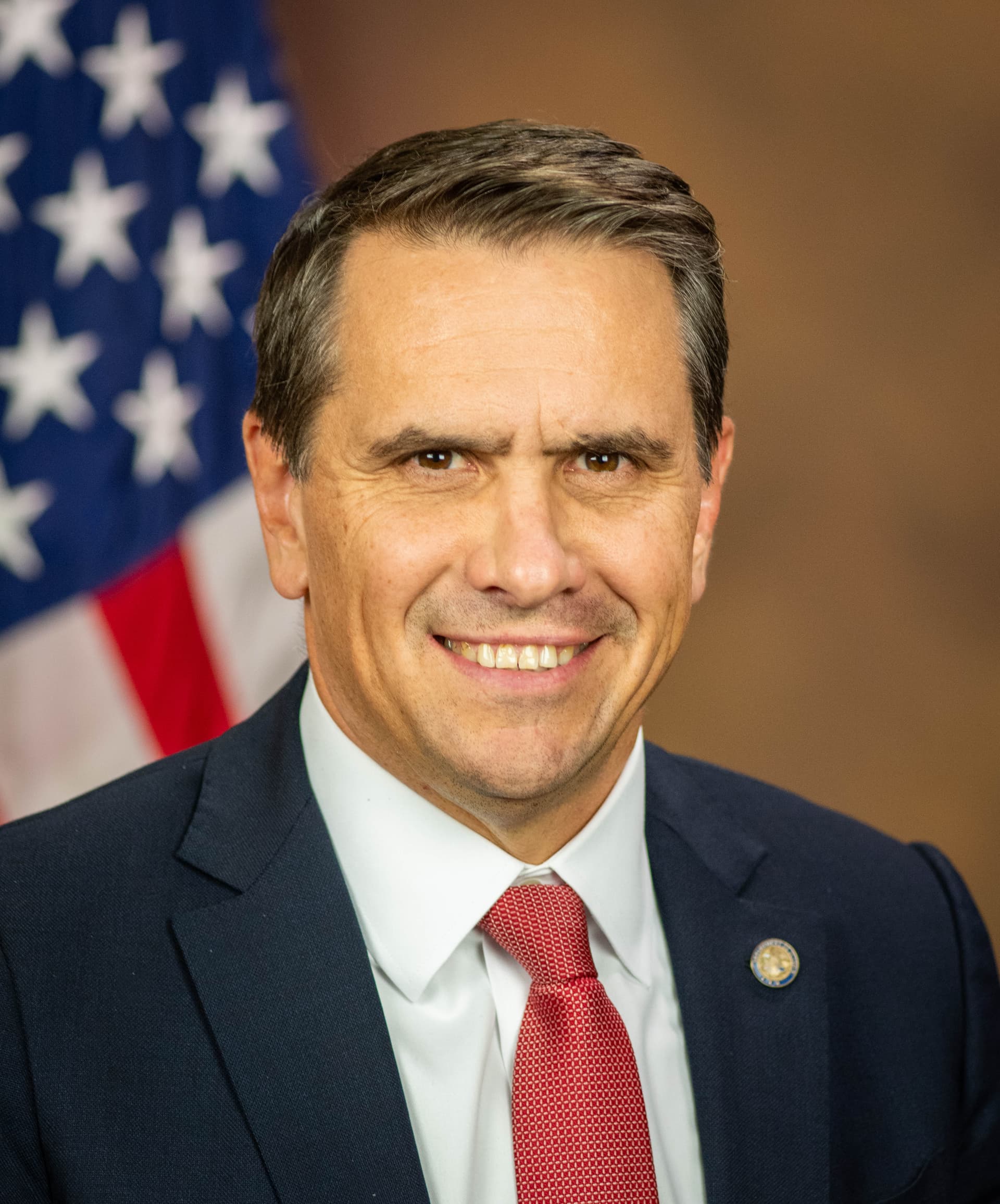
The Justice Department has created an “Anti-Weaponization Fund” inside a settlement with President Donald J. Trump, a move that places a politically charged compensation mechanism inside an agency that has spent decades trying to prove it can stand apart from the White House. Acting Attorney General Todd Blanche announced the arrangement on May 18, 2026, saying the fund would provide “a systematic process” to hear claims from people who say they suffered “weaponization and lawfare.”
The settlement grew out of President Donald J. Trump v. Internal Revenue Service, filed after the leak of Trump’s tax returns in the U.S. District Court for the Southern District of Florida. The plaintiffs were Donald J. Trump, Donald J. Trump Jr., Eric Trump, and Trump Organization LLC. Under the agreement, they will receive a formal apology, but no monetary payment or damages, and they must drop the lawsuit with prejudice and withdraw two administrative claims tied to the Mar-a-Lago raid and the Russia-collusion investigation.
The financial contours are striking. News coverage placed the fund at about $1.7 billion to $1.776 billion, a scale that gives the new program unusual weight inside the federal government. Settlement documents also say the fund’s remaining balance after December 15, 2028, must be transferred by January 1, 2029, to another federal account designated by the president. Members of the fund will serve as unpaid volunteers, a detail that underscores how much discretion the executive branch retains over the structure even as it presents the fund as a process for redress.
The IRS portion of the deal is equally consequential. CBS News reported that the agency is permanently barred from pursuing claims against Trump or his company based on prior tax returns, including matters that were or could have been raised. The Associated Press reported that the government agreed to permanently drop tax claims against the president as part of the settlement, cementing a resolution that protects Trump and his business from future tax-related exposure over the same dispute.

The broader question is what this says about Justice Department independence in the post-Watergate era. The attorney general is a Cabinet officer serving at the president’s pleasure, which makes the Justice Department formally part of the executive branch even as modern norms have tried to insulate prosecutors from raw political control. That tension dates to Watergate, when the Supreme Court’s July 24, 1974, decision in United States v. Nixon rejected an absolute claim of executive privilege, and the National Archives notes that the Watergate Special Prosecution Force was created within DOJ to investigate abuses of presidential power.
That history makes the new settlement more than a private deal. It lands as a test of whether the department’s independence is being weakened, redefined or discarded altogether, and whether a mechanism built to answer claims of government abuse can itself become a vehicle for presidential power.
This article was produced by Prism’s automated news system from verified source data, official records, and press releases, then run through automated quality and moderation checks before publishing. The system is built and supervised by the people who set the standards it runs under. Read our full AI policy.
Did this article answer your question?

