Justice Department general counsel quits after Trump settlement deal
Brian Morrissey quit hours after Treasury unveiled a $1.776 billion fund to pay claims of people claiming government targeting.

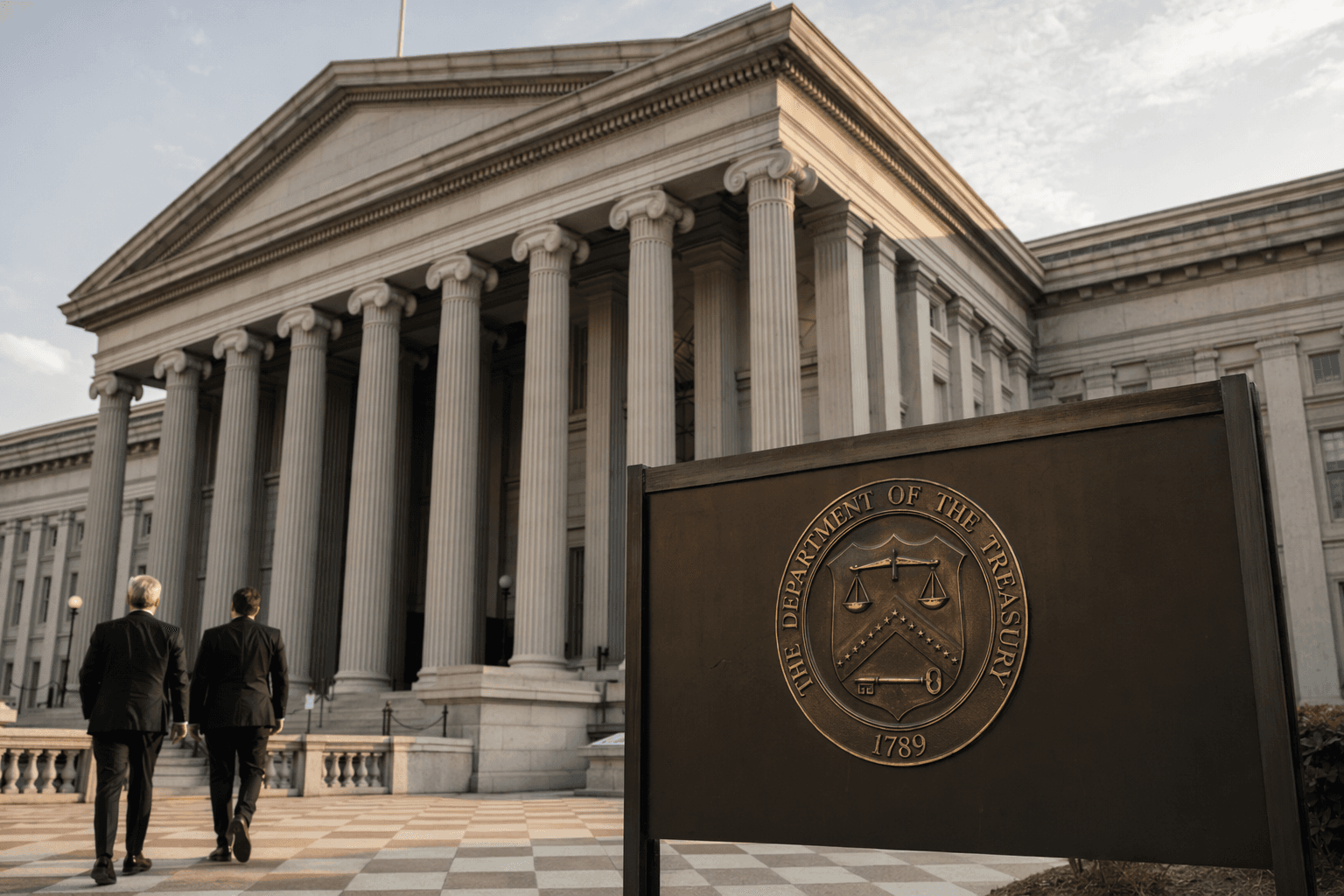
The Treasury Department’s top lawyer resigned just hours after the Trump administration announced a $1.776 billion Anti-Weaponization Fund, sharpening questions about whether the deal marked a real shift in how federal power will be used to settle political grievances.
Brian Morrissey stepped down after the Justice Department and the White House disclosed a settlement of Donald Trump’s $10 billion lawsuit over the leak of his tax returns. Under the agreement, the government will create a fund to pay claims from people who say they were unfairly targeted by federal agencies, with acting Attorney General Todd Blanche saying the process is meant to give victims of “lawfare and weaponization” a lawful path to seek redress.
The structure of the fund is unusually specific. It will be overseen by a five-member commission appointed by the attorney general, with one member chosen in consultation with congressional leadership. Claims will be accepted through Dec. 15, 2028, and any money left over at the end of the program will revert to the federal government. The fund will be financed through the Treasury Department’s Judgment Fund, and Treasury would have to move $1.776 billion into it within 60 days after the settlement takes effect.
The deal gave Trump, Donald Trump Jr., Eric Trump and the Trump Organization a formal apology, but no direct cash payment. Trump also agreed to drop related claims tied to the Russia investigation and the search of Mar-a-Lago for classified documents. Even before the settlement was finalized, ABC News reported that the fund could have covered nearly 1,600 people charged in connection with the Jan. 6 Capitol attack, a detail that underscored how broad the claims process could become.
That breadth is why Democrats and ethics experts quickly denounced the arrangement as unconstitutional or, in the words of critics, a possible slush fund for Trump allies. Rep. Jamie Raskin called the idea unconstitutional, while other analysts warned that the commission and the Judgment Fund could create a new channel for politically aligned payouts under the guise of administrative repair.

Morrissey’s departure carries added weight because he was confirmed as Treasury general counsel in October 2025 and had already served in the department and at the Justice Department during Trump’s first term. His exit, immediately after the fund was announced, points to an internal legal or ethical rupture at the very moment the administration is trying to recast federal power as a tool for redress rather than punishment.
This article was produced by Prism’s automated news system from verified source data, official records, and press releases, then run through automated quality and moderation checks before publishing. The system is built and supervised by the people who set the standards it runs under. Read our full AI policy.
Did this article answer your question?

