Justice Department moves to challenge Evanston reparations program
The Justice Department said Evanston's reparations plan illegally favors Black residents, turning a local housing remedy into a national constitutional test.
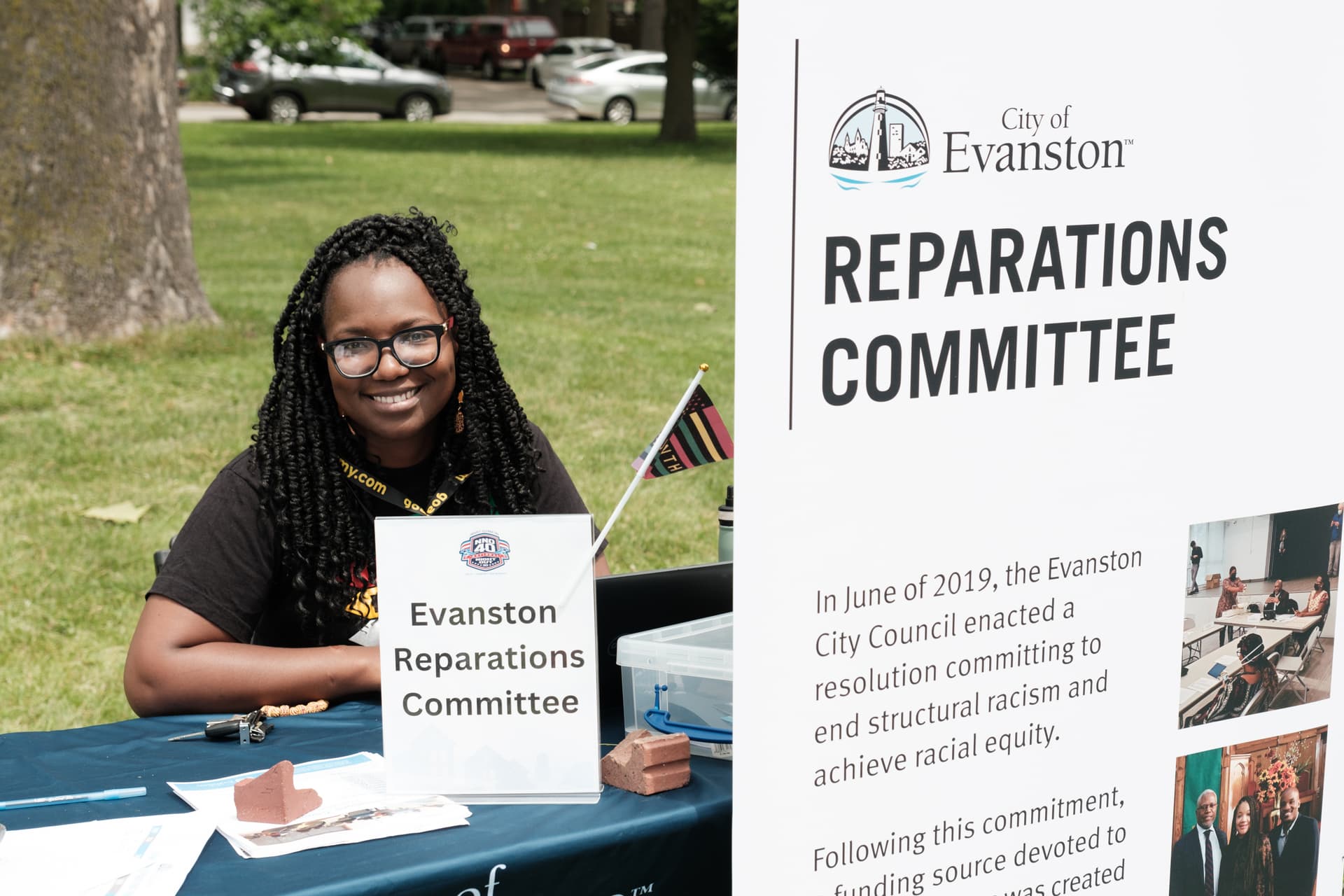
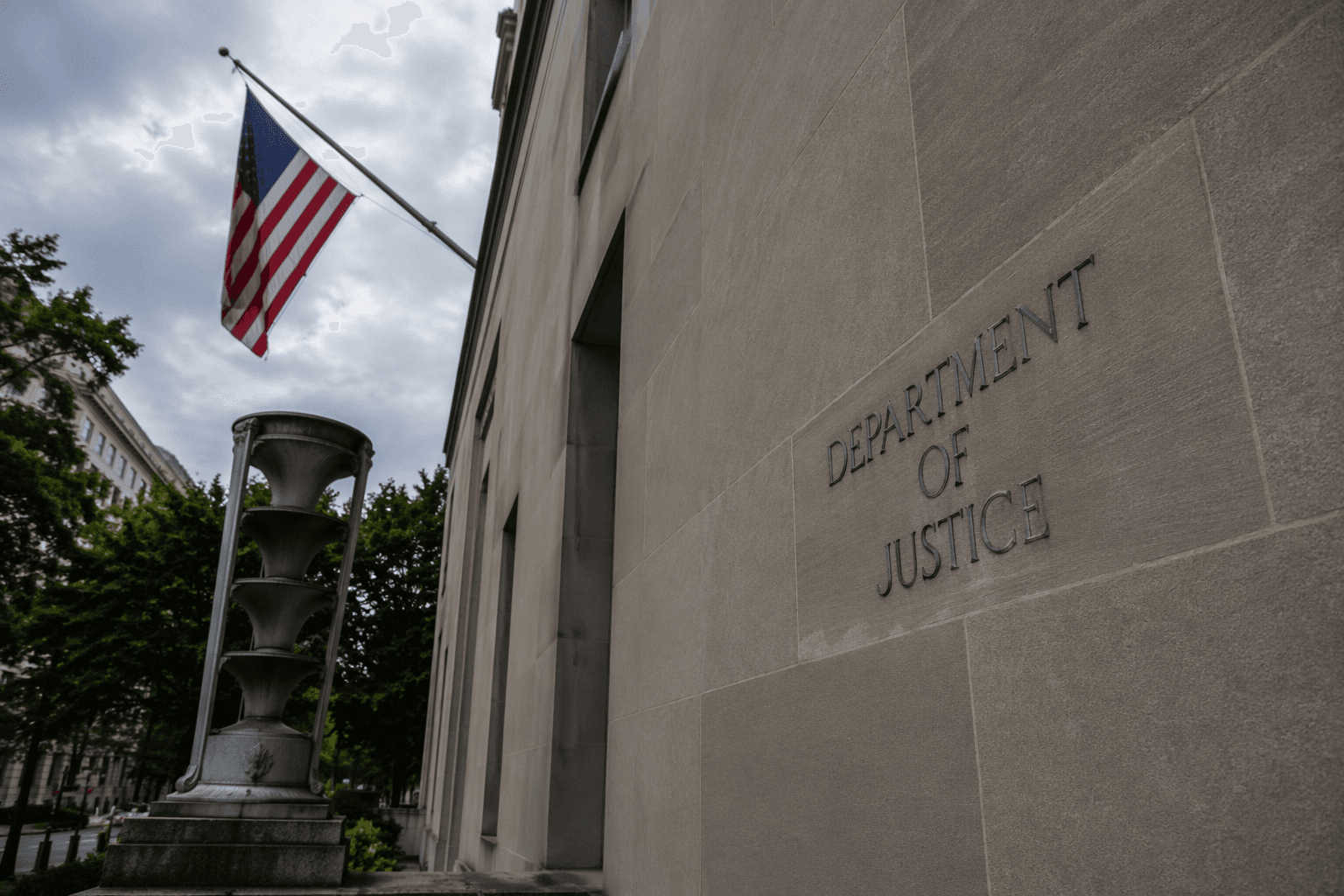
The Justice Department stepped into the fight over Evanston’s reparations program Tuesday, arguing the Chicago suburb cannot reserve housing cash and assistance only for Black residents and their descendants. The move elevates a city program long described as the nation’s first municipal reparations initiative into a broader test of how far governments can go in designing race-conscious remedies for past discrimination.
The Civil Rights Division said the city’s Restorative Housing Program is unconstitutional and violates federal housing law because it distributes benefits solely to Black people, and not to similarly situated people of other races. The program was created to address the harms of redlining and other discriminatory housing practices in Evanston from 1919 to 1969, with eligible households able to receive up to $25,000 for homeownership, home improvement or mortgage assistance.
Evanston adopted its reparations framework in 2019 after the Evanston Equity & Empowerment Commission recommended steps to confront long-running racial wealth and opportunity gaps tied to housing discrimination. The City Council approved the Restorative Housing Program in March 2021, funding it with the first $10 million from the city’s cannabis tax revenue. City records say the housing program was initially set at $400,000, or 4 percent of the designated reparations fund.
The city says eligibility can extend to Black residents who lived in Evanston between 1919 and 1969, their direct descendants, or people who can prove they experienced housing discrimination after 1969. Evanston has said the program is rooted in the city’s acknowledgment of its role in perpetuating housing discrimination, and it has held multiple public meetings to develop and oversee the initiative. The city has also said it has recognized the first cohort of direct-descendant beneficiaries.
The legal clash comes after U.S. District Judge John F. Kness allowed the lawsuit to proceed in March 2026. That ruling left intact a challenge that critics, including conservative legal groups, have framed as a direct attack on race-based eligibility rules under the Equal Protection Clause. The Justice Department’s decision to intervene now gives the case added national weight, with implications that could ripple far beyond Evanston if courts decide that reparations-style housing programs cannot limit aid by race or ancestry.
This article was produced by Prism’s automated news system from verified source data, official records, and press releases, then run through automated quality and moderation checks before publishing. The system is built and supervised by the people who set the standards it runs under. Read our full AI policy.
Know something we missed? Have a correction or additional information?
Submit a Tip

