Justice Department removes photo showing Commerce Secretary with Epstein
The Justice Department removed from its public Epstein files a photograph released last month that showed Commerce Secretary Howard Lutnick with Jeffrey Epstein, raising transparency and ethics concerns.
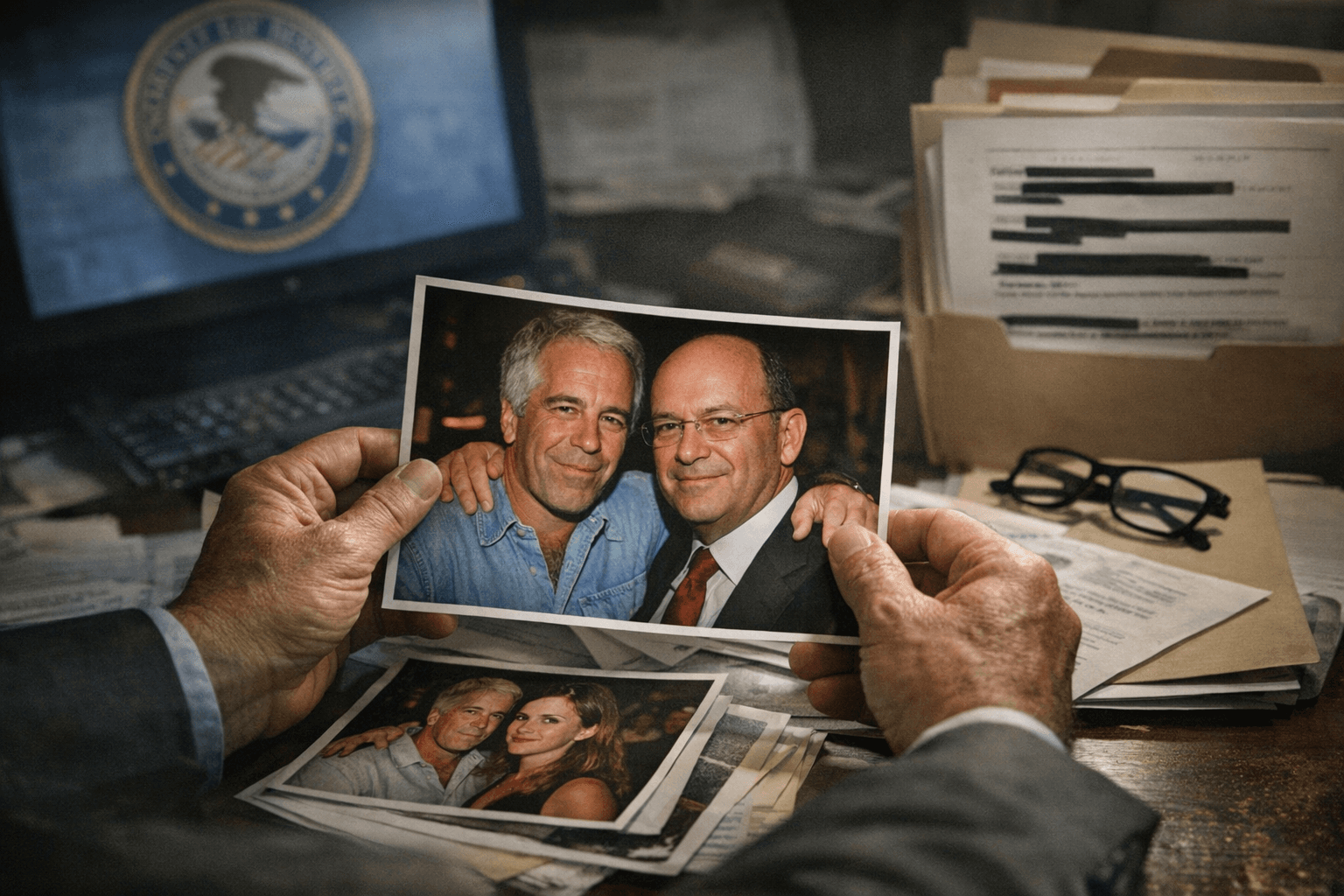
The Department of Justice removed from its public Epstein case files today a photograph that had been posted last month showing Commerce Secretary Howard Lutnick with convicted sex offender Jeffrey Epstein on Epstein's private island. The image's removal from the DOJ website was abrupt and has not been accompanied by a public explanation.
The photograph was among materials the Justice Department posted in January 2026 as part of broader disclosures tied to the Epstein investigation. The files were intended to increase transparency about Epstein's network and the government's handling of related prosecutions. The appearance of a sitting Cabinet official in those documents, and the subsequent deletion of the image, has intensified scrutiny of how the files were curated and what information is being withheld from public view.
Howard Lutnick, who serves as the nation's commerce secretary, has not publicly explained his presence in the photograph. The Justice Department has not said why the image was taken down or whether the removal was prompted by privacy concerns, legal review, or a clerical error. The lack of clarity has prompted bipartisan questions in Washington about document management and vetting procedures for senior officials who occupy policy-making roles.
The decision to take the photograph offline has immediate practical consequences. The files had been used by journalists, researchers, and survivors' advocates to reconstruct Epstein's associations and to identify potential enablers. Removing material from an established public repository truncates that public record and complicates ongoing efforts by advocates and lawmakers to understand the full scope of Epstein's network. For survivors of sex trafficking, transparency about those links is not merely academic; it is part of accountability and historical record-keeping that can inform policy changes and support services.
The incident also underscores persistent institutional tensions between privacy, legal constraints, and the public interest. Prosecutors and records managers routinely withhold or redact material for a range of legitimate reasons, including protecting victims or preserving prosecutorial integrity. At the same time, sudden reversals that involve prominent public officials can erode trust in government institutions already criticized for uneven accountability. The removal may fuel calls for clearer standards governing what evidence and associated images are released and for independent review when such materials involve high-ranking officials.
Public health and social equity advocates say transparency in high-profile cases has downstream effects on community wellbeing. When institutional responses appear opaque, survivors and marginalized communities that disproportionately bear the harms of trafficking can feel sidelined by a system that fails to show its workings. Clear records, experts note, help tailor services, inform prevention strategies, and guide resource allocation to communities most affected.
The basic factual questions remain: why the photograph was included in January, why it was removed in late February, and what, if any, explanatory steps the Justice Department or the Commerce Department will take next. Those answers will shape whether the removal is seen as a routine correction or as a sign of deeper problems in how powerful networks and official records are managed. For now, the image's disappearance has reopened urgent discussions about transparency, accountability, and the obligations of public institutions to survivors and the public they serve.
This article was produced by Prism’s automated news system from verified source data, official records, and press releases, then run through automated quality and moderation checks before publishing. The system is built and supervised by the people who set the standards it runs under. Read our full AI policy.
Did this article answer your question?

