Justice Department removes thousands of Epstein files after redaction failures
The DOJ says it pulled several thousand Epstein-related documents after victims flagged exposed names and photos; advocates warn of retraumatization and demand accountability.

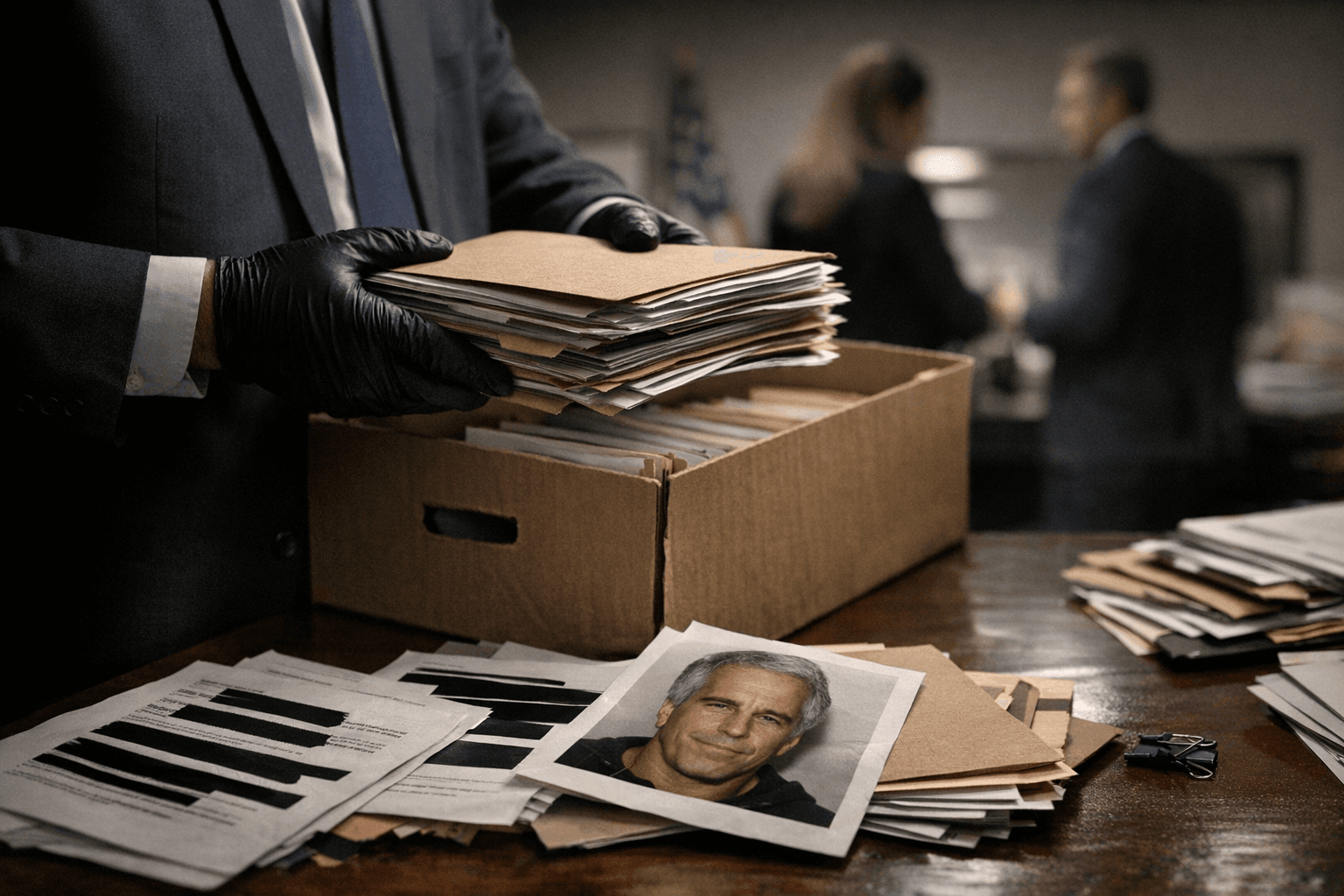
The Justice Department has taken down several thousand documents and media from a large public release of Jeffrey Epstein-related records after victims and their lawyers flagged material that may have included identifying information. The action, described in a letter filed on federal dockets by U.S. Attorney Jay Clayton, follows urgent requests from survivors’ attorneys who asked judges to temporarily take the department’s site offline because redactions appeared to have failed.
Clayton wrote that the removed items “may have inadvertently included victim-identifying information due to various factors, including technical or human error.” He said the department has “iteratively revised its protocols” and assembled “teams of personnel” to monitor requests from victims and counsel. “As of the writing of this letter, all documents requested by victims or counsel to be removed by yesterday evening have been removed for further redaction, and the Department is continuing to process any new requests and to run its own searches to identify any other documents that may require further redaction,” Clayton added.
Victims’ lawyers contend the failures exposed names or personal details for nearly 100 individual survivors, prompting the emergency filings on the dockets of two federal judges. Gloria Allred, who represents many of Epstein’s accusers, warned that some files included only partially obscured identifiers: “In some cases... they have a line through the names but you can still read the names,” and “In other cases, they've shown photos of victims - survivors who have never done a public interview, never given their name publicly.”
The removal comes after what officials described as a massive disclosure of materials collected in the Epstein investigation. Officials provided differing totals for the most recent release: one account put the release at about 3 million pages, while Deputy Attorney General Todd Blanche said it contained more than 3.5 million pages; both accounts describe roughly 180,000 images and about 2,000 videos. Blanche said the effort was meant to maximize transparency: “Today's release marks the end of a very comprehensive document identification and review process to ensure transparency to the American people and compliance.” He also described the released materials as including emails and “large quantities of commercial pornography and images that were seized from Epstein’s devices,” with some material marked as child sexual abuse material.
The scale and the apparent redaction lapses have immediate public health and equity implications. Survivors of sexual violence already face elevated risks of depression, post-traumatic stress disorder and other chronic health conditions; unredacted names or photos can retraumatize individuals, jeopardize privacy and undermine access to care. Advocates say the episode underscores the need for victim-centered protocols, better technical safeguards for sensitive data releases and funded support services for those whose private information was exposed.
The political fallout is also intensifying. Lawmakers and advocates note the department identified more than 6 million potentially responsive pages while releasing roughly half that amount, raising questions about what remains withheld and why. Representative Ro Khanna highlighted the discrepancy, saying, “The DOJ said it identified over 6 million potentially responsive pages but is releasing only about 3.5 million after review and redactions.”
The DOJ says it has also removed a substantial number of documents it identified independently and is continuing searches for items needing further redaction. Survivors’ lawyers may press for court orders to halt access to already released files while the department completes re-review. Until officials provide a definitive accounting of what was removed, how many survivors were affected and what technical or human errors caused the failures, survivors and the public will face both continuing uncertainty and the risk of further harm.
Know something we missed? Have a correction or additional information?
Submit a Tip