Justice Department says Philadelphia mosque fire was targeted hate crime
Federal prosecutors said Vincent Lang targeted a Philadelphia mosque because it was a mosque, escalating a July fire into a potential hate-crime case.
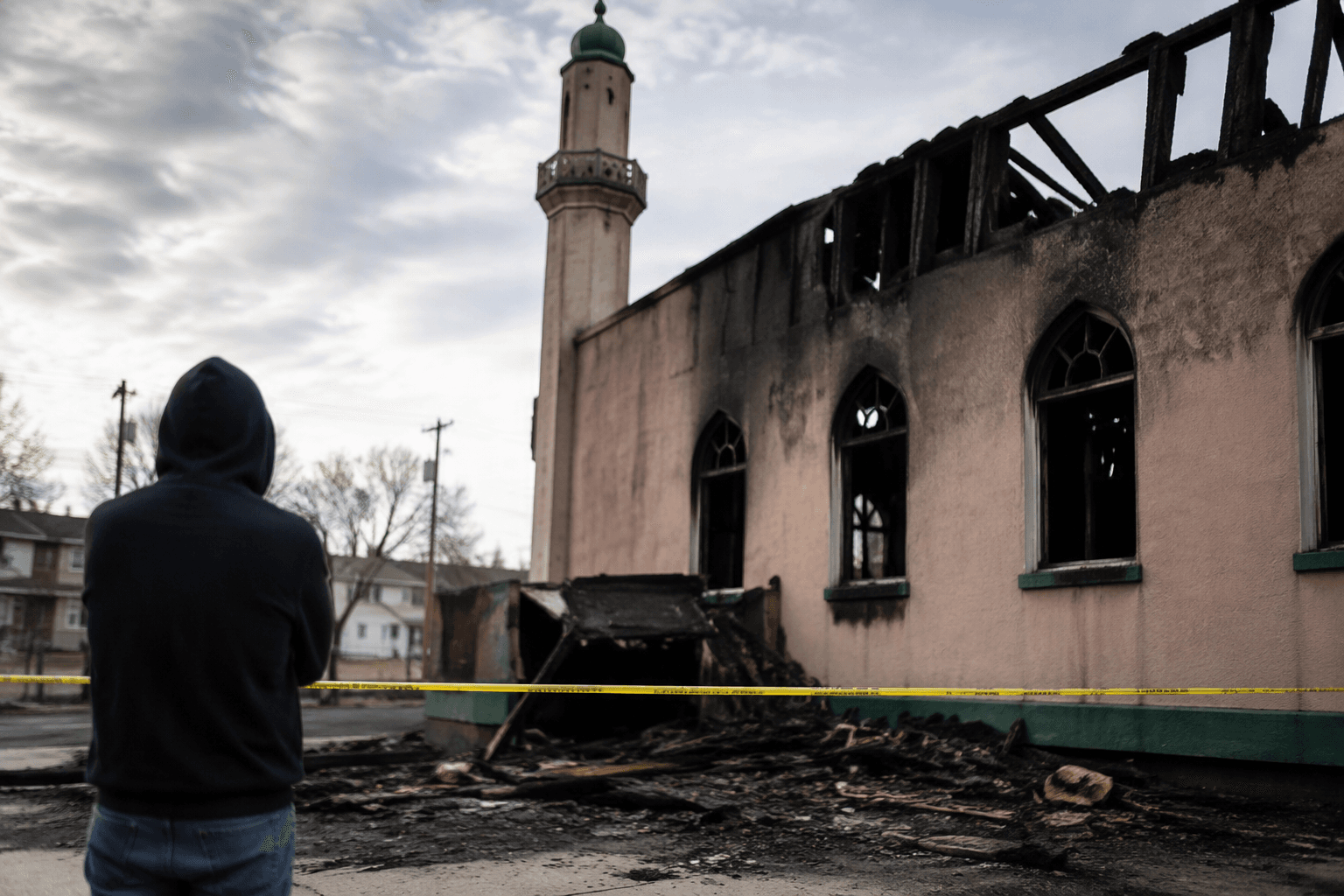
Federal prosecutors said Vincent Lang targeted the Northeast Philadelphia Islamic Center because it was a mosque, turning a July fire in Northeast Philadelphia into a case with hate-crime implications. The Justice Department said the 60-year-old Philadelphia man was arrested on July 16 and charged by criminal complaint with one count of maliciously damaging or destroying by means of fire a building used in interstate commerce.
The allegation changes the legal and social stakes of the case. What might have been treated as property destruction now sits inside the Justice Department’s broader effort to confront bias-driven attacks on places of worship, where motive can shape the charges filed, the sentence sought and the signal sent to others. NBC10 Philadelphia later reported that Lang was indicted on a civil rights charge after the arson, and investigators said he had expressed anti-Islamic views before the attack.
The fire occurred in mid-July and damaged the mosque, a neighborhood institution that serves worshippers as well as the wider community around it. Reuters reported that hateful words and symbols were written on the glass, details that prosecutors are using to support the view that the building was singled out for what it represented rather than chosen at random.
That framing matters far beyond one Philadelphia congregation. Houses of worship often become flashpoints for intimidation because they are visible, open and tied to community identity, which makes security concerns part of everyday religious life. For mosque communities in particular, attacks carry an added burden because they can disrupt prayer, unsettle families and deepen fears of anti-Muslim hostility that extend well outside the city.
The Justice Department has taken similar cases before, including a synagogue fire case in Arizona and a church fire case in Mississippi, showing how federal prosecutors use arson and civil rights laws when they believe a religious site was targeted because of faith. In this case, the central question is not only who set the fire, but why the building was chosen.
This article was produced by Prism’s automated news system from verified source data, official records, and press releases, then run through automated quality and moderation checks before publishing. The system is built and supervised by the people who set the standards it runs under. Read our full AI policy.
Did this article answer your question?