Justice Department settles Carter Page lawsuit for $1.25 million
The Justice Department agreed to pay Carter Page $1.25 million, closing one lawsuit while the fallout from four flawed FISA applications lingered.
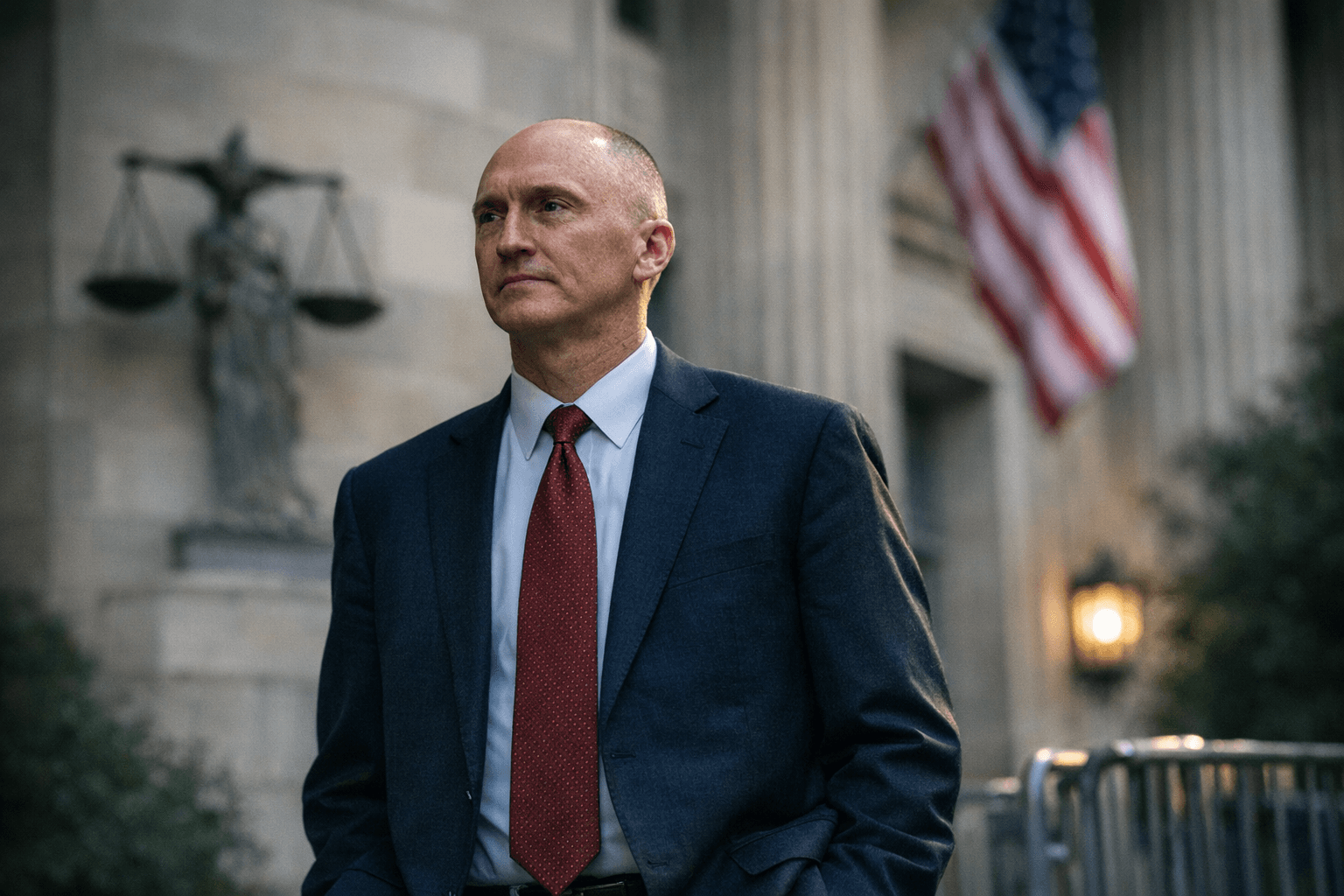
The Justice Department agreed to pay Carter Page $1.25 million, ending his lawsuit against the federal government but leaving the deeper questions around Russia-probe surveillance unresolved. In a filing to the Supreme Court of the United States, Solicitor General D. John Sauer said the Trump administration and Page had “agreed to settle” his claims.
The deal, disclosed on or about April 22, 2026, resolves Page’s case against the United States after lower courts dismissed it. Page filed the suit in 2020, arguing that he had been subjected to secret surveillance during the federal investigation into possible ties between Donald Trump’s 2016 campaign and Russia. That inquiry became one of the most polarizing episodes in modern Washington, with Page emerging as a central figure in the fight over the FBI’s use of national security tools against political figures.
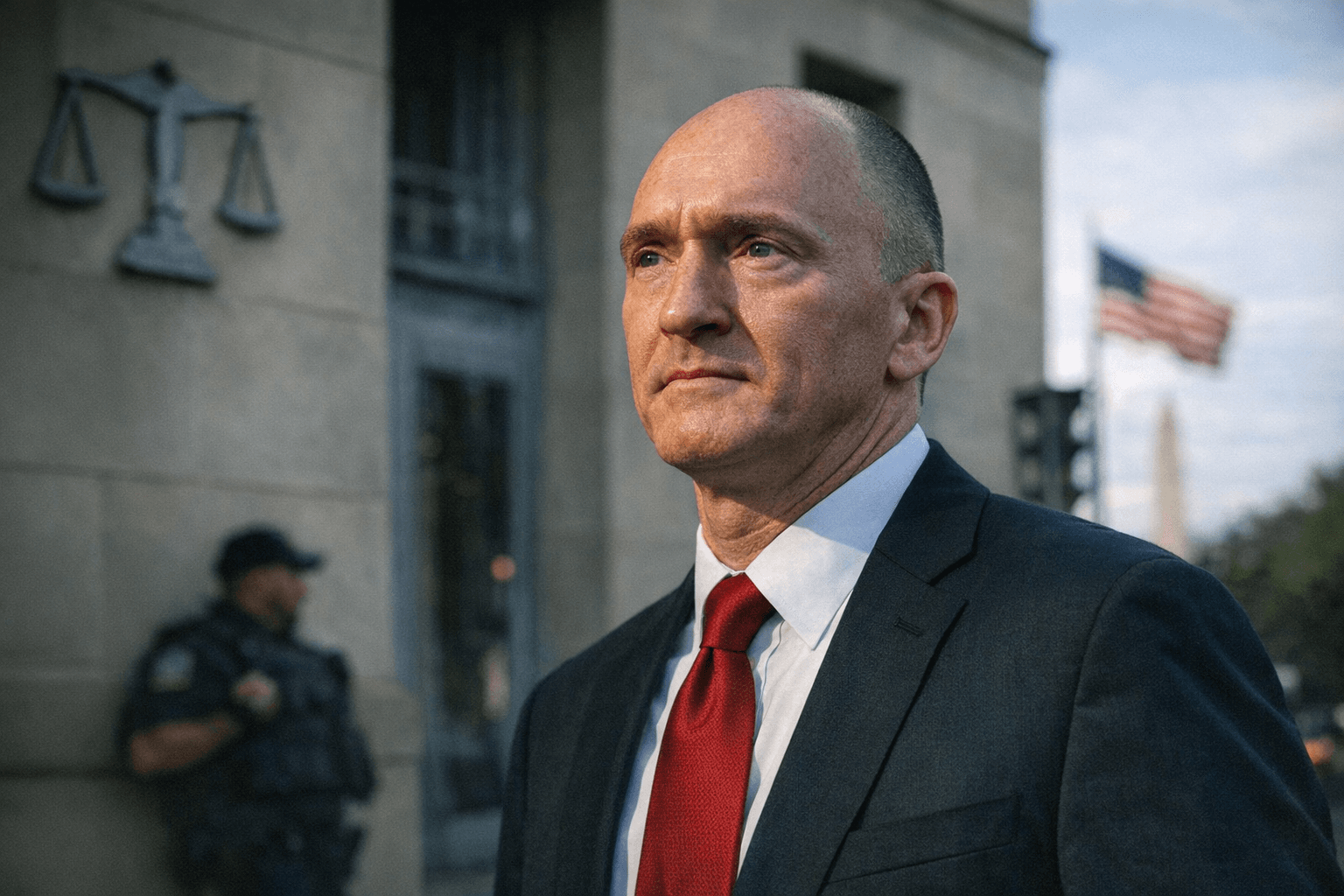
The settlement does not end every part of the dispute. Page had sued the FBI, the Justice Department, and eight named individuals, and the agreement covers only his claims against the federal government. His claims against former FBI officials and other individual defendants remain outside the deal, preserving some of the legal and political pressure that has shadowed the case for years.
The surveillance at issue involved four Foreign Intelligence Surveillance Act applications, and a Justice Department inspector general report found significant problems with those requests. That report became a lasting marker of the FBI’s handling of the Russia investigation and fed wider criticism that officials relied on incomplete or inaccurate information when they sought warrants against Page. The new settlement adds another cost to that episode, both in dollars and in the credibility damage that followed.
A Justice Department spokesman framed the agreement as a civil-liberties issue, saying, “No American should ever face covert and unlawful surveillance based on their political view.” The statement signaled an effort to cast the settlement as more than a financial payout, but it also underscored how much the government is still paying for the legal and institutional fallout from the Russia probe. The payment may close Page’s case, but it does not settle the broader question of whether the controversy produced meaningful consequences for investigative misconduct or simply pushed the reckoning further down the road.
This article was produced by Prism’s automated news system from verified source data, official records, and press releases, then run through automated quality and moderation checks before publishing. The system is built and supervised by the people who set the standards it runs under. Read our full AI policy.
Did this article answer your question?

