Justice Department sues Illinois leaders, challenges protections for immigrants at public sites
The U.S. Department of Justice filed suit on December 23 challenging Illinois statutes that limit federal immigration enforcement at courthouses, hospitals and day care centers, naming Governor J.B. Pritzker and Attorney General Kwame Raoul. The case raises immediate questions about public safety, access to care, and the balance of federal authority and state efforts to protect immigrant communities.

The U.S. Department of Justice on Tuesday filed a federal lawsuit in the U.S. District Court for the Southern District of Illinois challenging recently enacted state statutes that curtail federal immigration enforcement at specified locations. The complaint names Governor J.B. Pritzker and Illinois Attorney General Kwame Raoul as defendants and targets measures that bar civil immigration arrests at and around courthouses, restrict state cooperation with federal immigration agents at hospitals and day care centers, and in some provisions limit enforcement actions at public universities.
In its complaint the department asserted that Illinois law violates the Constitution and "threaten[s] the safety of federal officers." The filing further argues that the statutes impede federal immigration operations by exposing federal officers to "ruinous liability and even punitive damages," language the Justice Department used to describe the chilling effect on enforcement and the operational risks to sensitive investigations.
The Pritzker administration defended the new statutes, arguing they protect constitutional rights within the state. Pritzker officials said, "This new law reflects our belief that no one is above the law, regardless of their position or authority," and added that "Unlike the Trump administration, Illinois is protecting constitutional rights in our state." Attorney General Raoul and his staff were reported to be reviewing the complaint as the state prepared a legal response.
The suit is the latest in a string of Justice Department actions aimed at state and local laws that limit cooperation with federal immigration enforcement. Earlier this year the department brought litigation over California statutes that it said interfered with federal agents' use of face coverings and identification requirements. The Illinois case therefore is likely to become part of a broader federal legal strategy that addresses the limits of state power when it intersects with federal immigration duties.
Beyond constitutional questions, the dispute taps into pressing public health and community concerns. Provisions shielding hospitals and child care centers from routine immigration enforcement were enacted in part to ensure that undocumented patients and parents would seek care, testing and vaccinations without fear of arrest. Public health experts say policies that reduce the risk of enforcement in clinical settings can increase uptake of preventive services and improve disease surveillance, especially in communities already experiencing barriers to care.
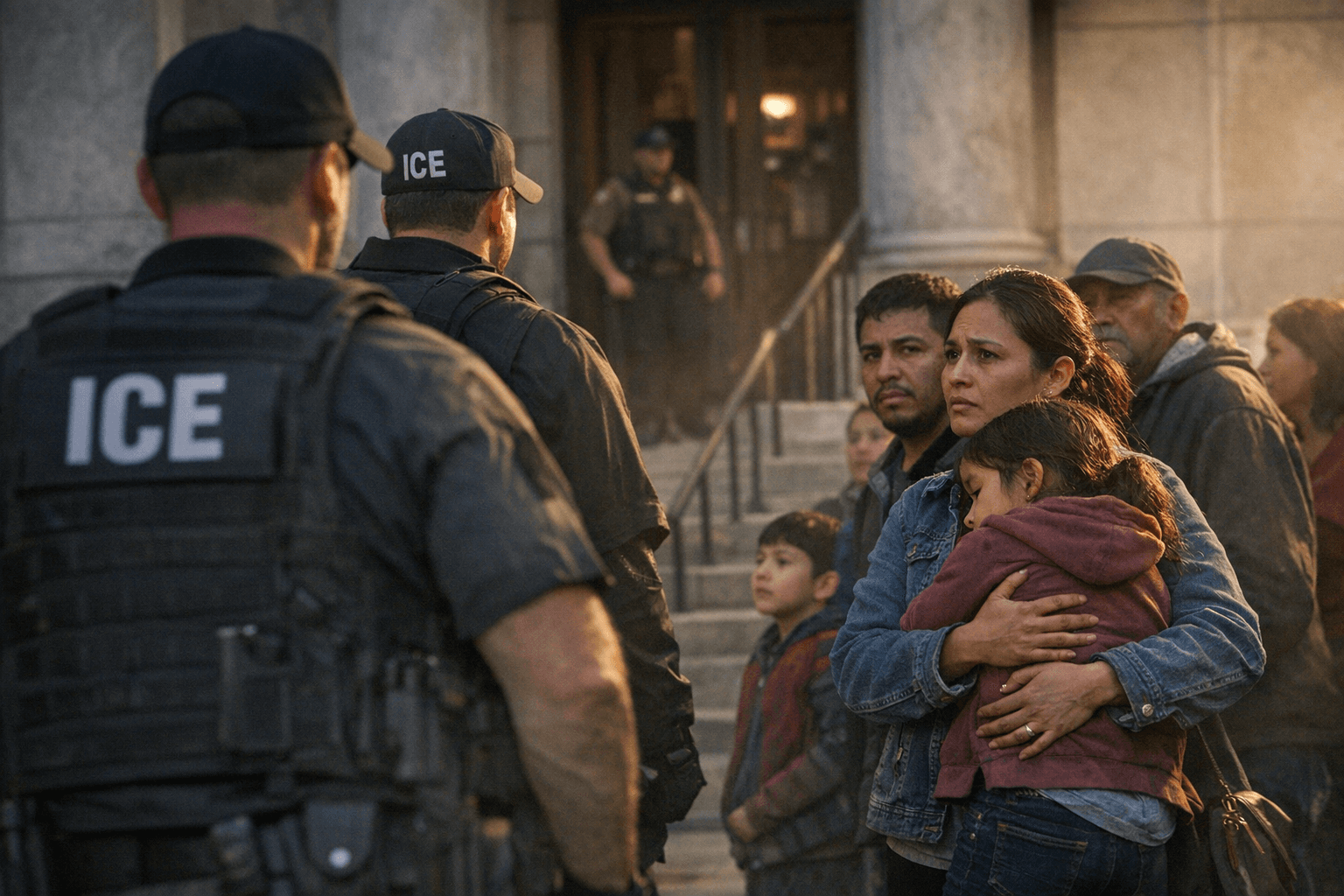
Advocates point to recent enforcement operations in the Chicago area that resulted in thousands of arrests and contend that broad cooperative restrictions can be necessary to protect access to medical care and educational settings. Critics of the Illinois statutes argue that limiting federal access at courthouses or other public sites could hinder investigations and threaten officer safety.
Legal analysts said the case will hinge on preemption principles and the balance between federal immigration authority and state sovereign interests in public health and safety. A decision in the Southern District of Illinois could have ramifications for other states that have enacted similar protections for immigrant communities and could shape how hospitals, schools and courthouses manage interactions with federal immigration agents.
The court filings will establish the specific statutory sections contested and the remedies the Justice Department seeks. Observers will be watching whether the state seeks an expedited hearing and how the litigation interacts with ongoing debates over immigration enforcement, public health policy and equity for vulnerable populations.
This article was produced by Prism’s automated news system from verified source data, official records, and press releases, then run through automated quality and moderation checks before publishing. The system is built and supervised by the people who set the standards it runs under. Read our full AI policy.
Did this article answer your question?