Justice Department sues Virginia over law banning masked officers
The Justice Department sued Virginia over a law barring masked officers, setting up a test of whether states can police federal law enforcement inside their borders.
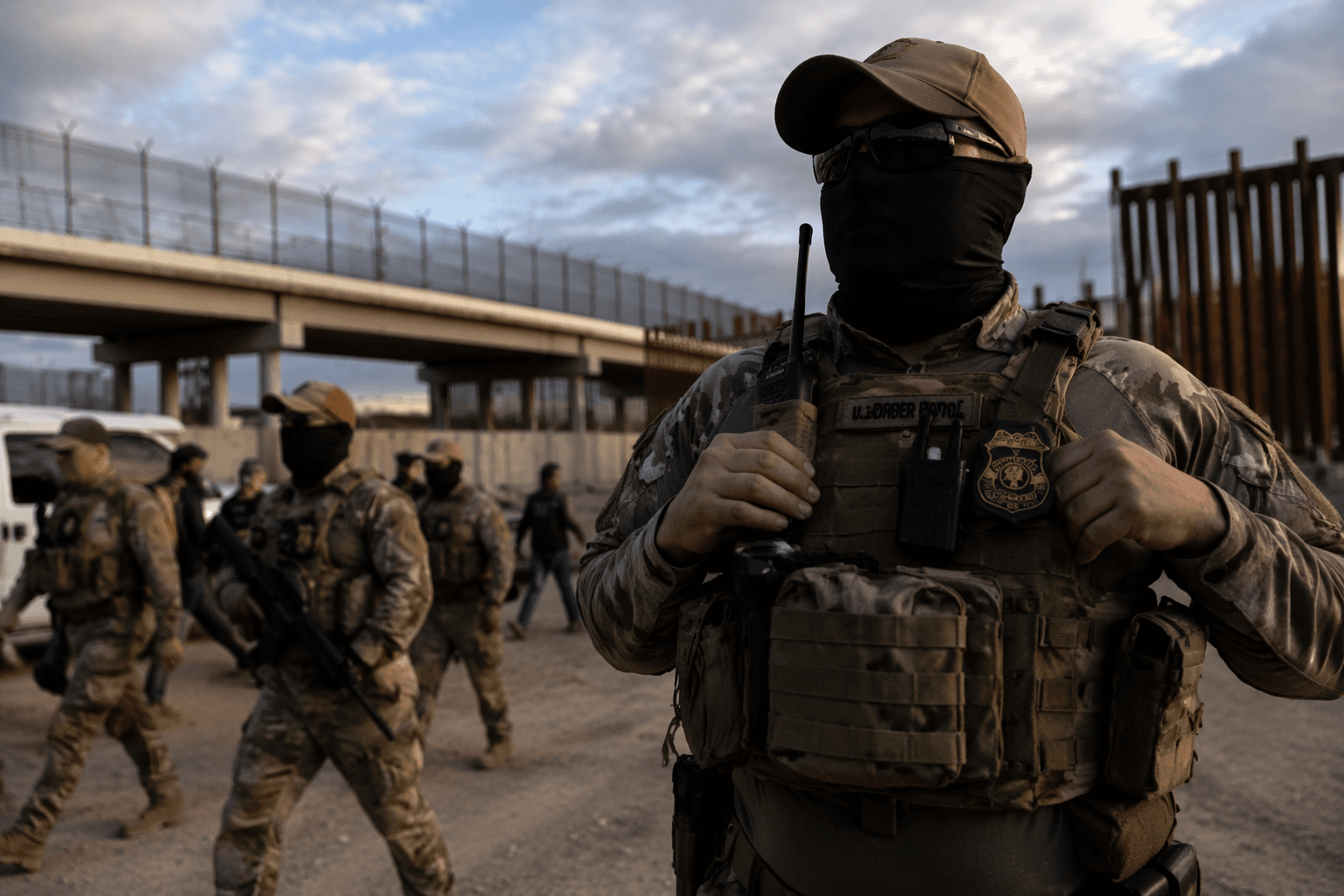
The Justice Department has taken Virginia to court over a new law that bars law-enforcement officers from wearing masks, setting up a direct fight over whether a state can impose accountability rules on federal agents. Federal officials say the measure goes too far by targeting federal personnel, requiring individual identifiers and effectively blocking some cooperative immigration enforcement with local police.
The complaint, filed June 11, 2026, names the Commonwealth of Virginia, Attorney General Jay Jones and Fairfax Commonwealth’s Attorney Steve Descano. Acting U.S. Attorney General Todd Blanche said the state’s policy was designed to create risk for federal agents, and the Justice Department has framed the case as part of a broader effort by its Civil Division to identify state and local laws that hinder lawful federal operations. The department says similar lawsuits are being pursued in Virginia, New Jersey and California.
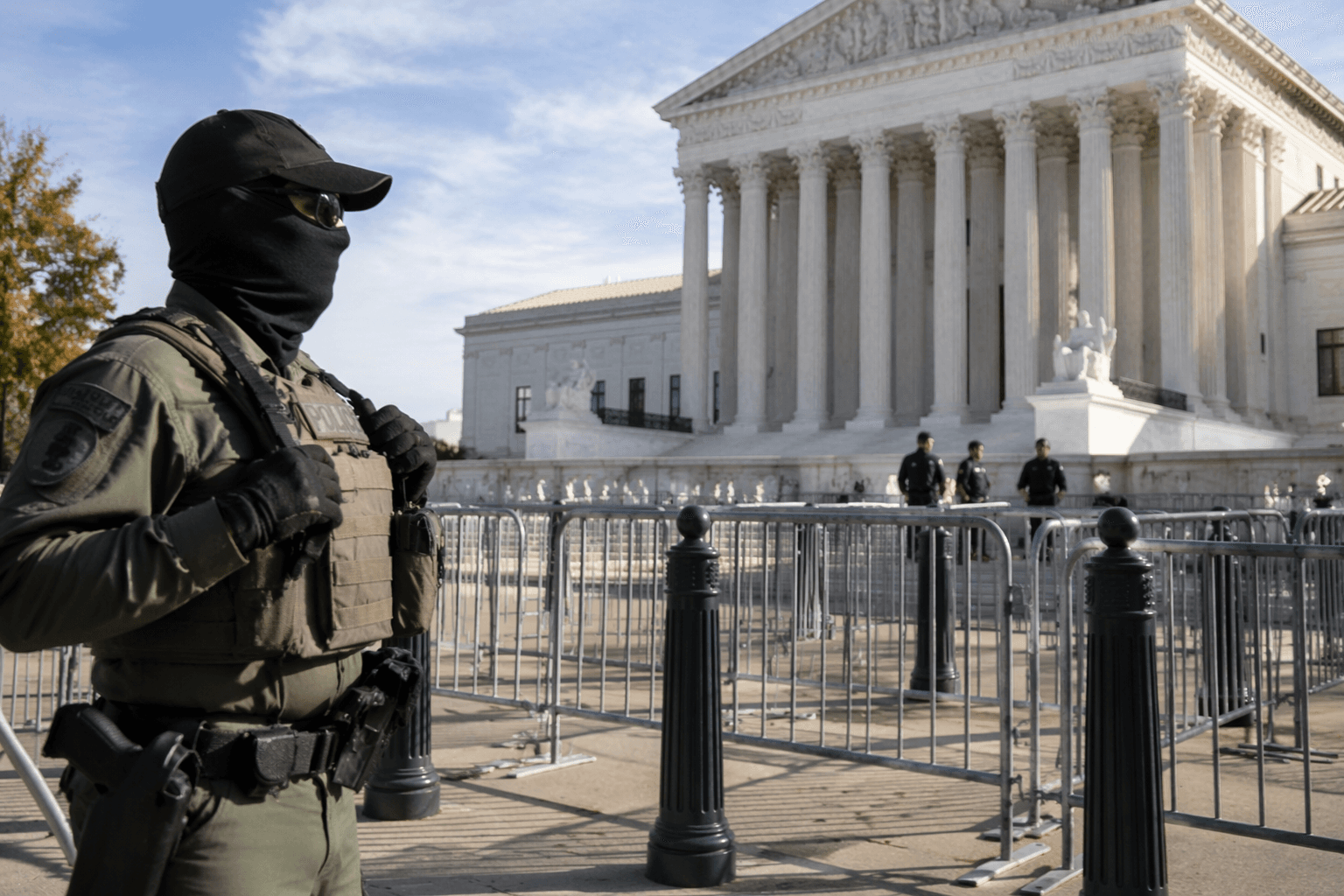
Virginia’s House Bill 1482 was introduced on January 23, passed on May 20 and signed the same day by Governor Abigail Spanberger. The law requires officers to visibly display a badge or other individual identifier while performing official duties, creates a Class 1 misdemeanor for violating the facial-covering ban unless an agency has a written policy, and authorizes discipline ranging from dismissal and demotion to suspension, transfer or decertification. It also directs the Virginia Department of Criminal Justice Services to develop a model policy on facial coverings. The bill carves out exceptions for disease, infection, toxic-substance protection and SWAT duties.
Spanberger defended the measure as an accountability step, saying masked officers on American streets “undercut basic expectations of accountability, sow fear and confusion, and erode the public trust.” Her administration also linked the legislation to a wider immigration crackdown, saying Virginia had seen a significant increase in immigration-related detentions from January 2025 to March 2026 and that only 30 percent of people held in Virginia immigration detention centers during that period had been convicted of a crime.
The dispute is not happening in a vacuum. A federal judge in Los Angeles preliminarily struck down California’s federal-agent mask ban on February 9, 2026, saying the U.S. government was likely to prove the law unconstitutional. Virginia also already has an older anti-mask statute, Code of Virginia section 18.2-422, that restricts public mask wearing with intent to conceal identity.
At stake now is more than a face covering. The case could define how far states can go in demanding visibility, identification and public accountability from federal officers, even when federal officials argue that anonymity and protective gear are essential for undercover work and dangerous operations.
This article was produced by Prism’s automated news system from verified source data, official records, and press releases, then run through automated quality and moderation checks before publishing. The system is built and supervised by the people who set the standards it runs under. Read our full AI policy.
Did this article answer your question?

