Justice Department targets slow immigration judges in deportation push
The Justice Department is moving to sideline immigration judges it sees as slow, raising the stakes for asylum seekers facing a 3.3 million-case backlog.
The Justice Department is moving against immigration judges it says are too slow or not following the law, a shift that could change not just how fast cases move, but who gets a full chance to be heard. Acting Attorney General Todd Blanche said in Phoenix that the department was identifying judges who are not meeting expectations as the Trump administration presses to turn the immigration courts into a faster tool for deportation.
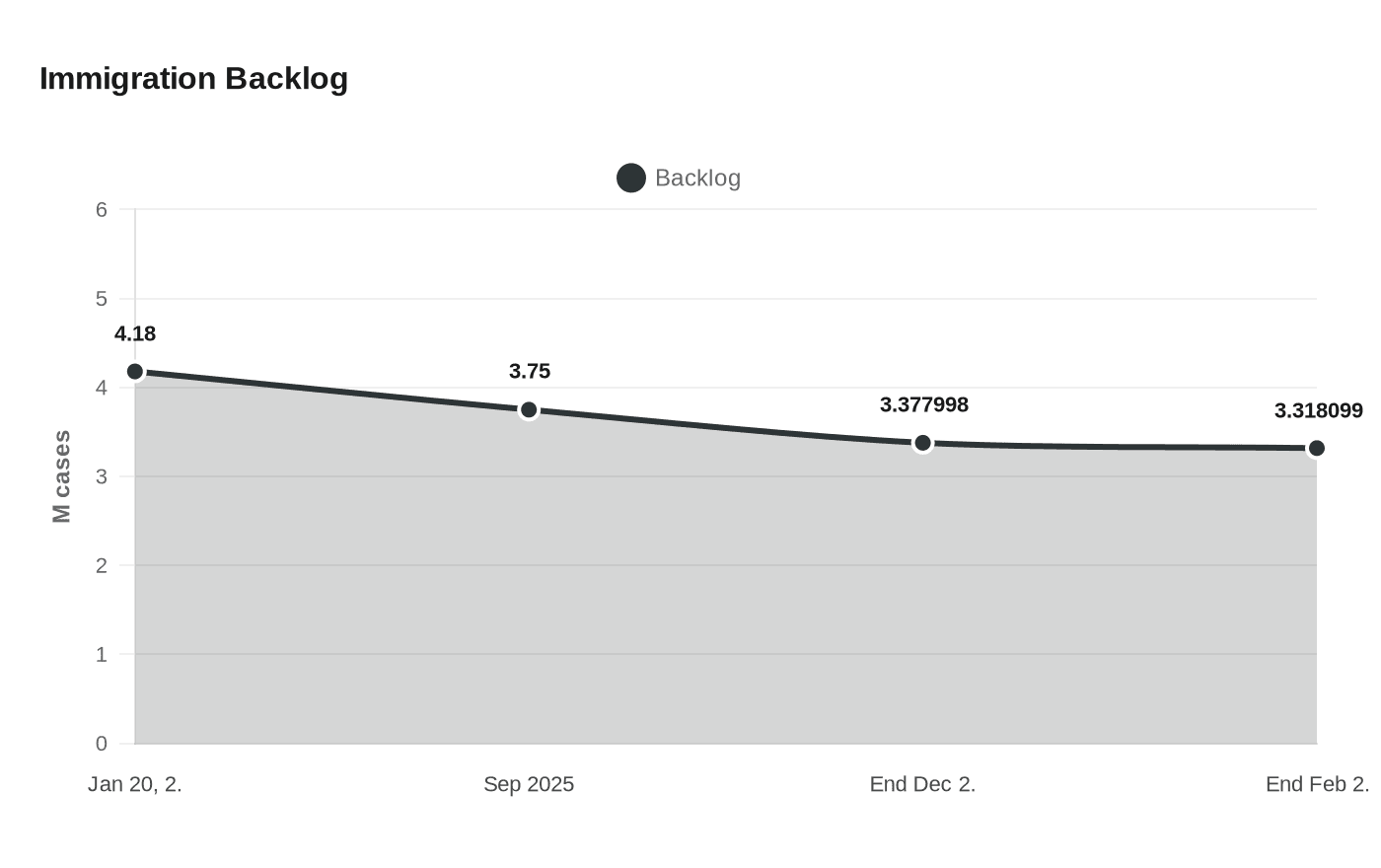
The effort lands on a system already straining under years of delay. The Executive Office for Immigration Review said in September 2025 that it had cut the pending caseload by more than 447,000 cases since Jan. 20, 2025, bringing the total from more than 4.18 million to under 3.75 million. But TRAC, which tracks case-by-case immigration court records, reported 3,318,099 active cases at the end of February 2026, down only slightly from 3,377,998 at the end of December 2025. Of those pending cases, 2,322,671 involved immigrants who had already filed formal asylum applications and were waiting for hearings or decisions.
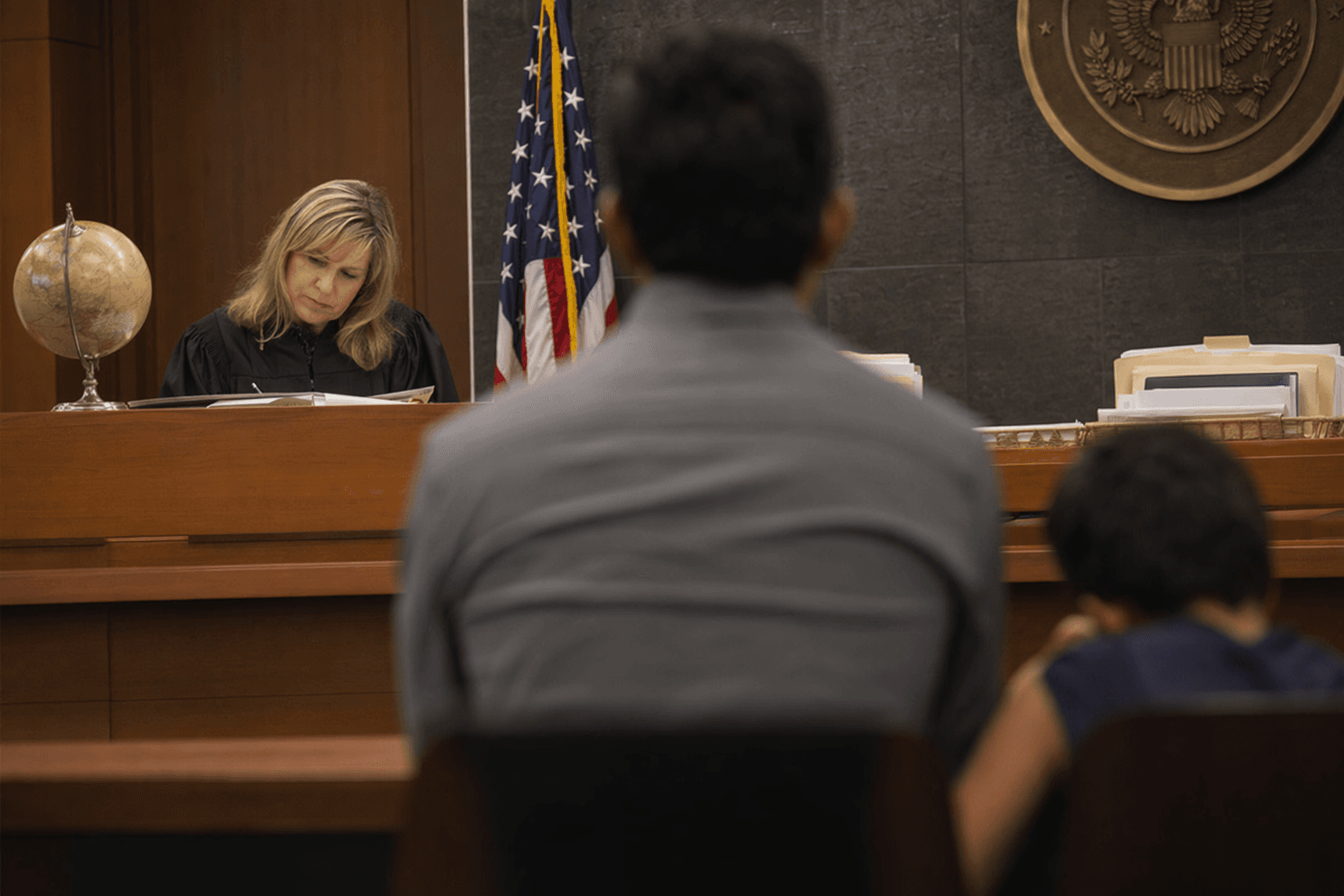
That backlog gives Blanche and his allies a political rationale for tightening the screws on judges. It also fuels a deeper fight over whether delay is a management failure, the result of chronic underfunding and crushing caseloads, or a pretext for punishing judges whose pace slows deportations. Immigration judges are housed inside the Justice Department, not an independent Article I court, which has long fed criticism that the system is too vulnerable to political pressure.

The practical consequences are stark. If judges who move cases slowly are forced out or pressured to speed up, more hearings could be completed each day. But lawyers and advocates warn that a quicker pipeline can also mean less time for migrants to gather evidence, find counsel and present claims for asylum or other relief before a judge. In a court system where people may wait months or years for a hearing, those extra days can be decisive.

The administration has also been adding judges. EOIR announced 42 immigration judges on March 11, 2026, followed by 15 immigration judges and 17 temporary immigration judges on April 8. Blanche was in Phoenix for the Border Security Expo, the annual gathering of immigration officials and vendors, and the city’s immigration court at 250 N. Seventh Ave., Suite 300, sits at the center of one of the nation’s busiest court systems.
For the administration, the backlog is proof the courts need a harder edge. For critics, it is another sign that judicial independence in immigration proceedings is being sacrificed to speed removals.
This article was produced by Prism’s automated news system from verified source data, official records, and press releases, then run through automated quality and moderation checks before publishing. The system is built and supervised by the people who set the standards it runs under. Read our full AI policy.
Did this article answer your question?

