Justice Department Urges Supreme Court to Deny TikTok Pause
The Justice Department asked the Supreme Court on Dec. 23 to reject a request to pause a new law that would force ByteDance to divest TikTok’s U.S. operations or face a ban by Jan. 19. The filing frames the requested delay as the equivalent of a temporary injunction, a remedy the government says ByteDance has not shown it is likely to win, and it places the court squarely between national security concerns and a sweeping corporate divestiture.
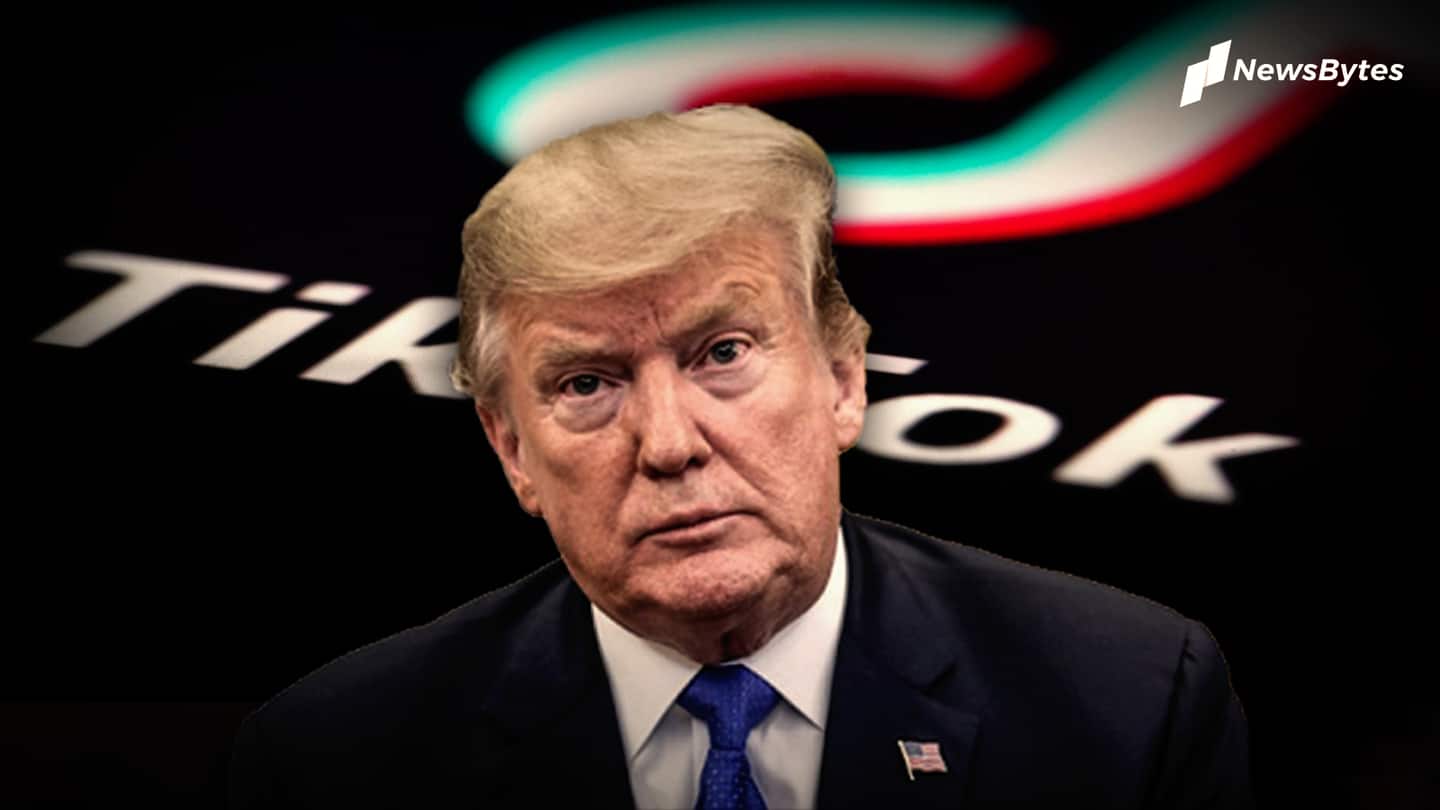
The Justice Department filed a brief with the Supreme Court on Dec. 23 asking justices to deny an emergency application seeking to pause a federal statute that would require ByteDance to divest TikTok’s U.S. operations or face a ban by Jan. 19. The government told the court that a pause would amount to the functional equivalent of a temporary injunction, and said that relief is inappropriate because ByteDance has not shown a likelihood of success on the merits.
The emergency application was filed by counsel for former President Donald Trump, D. John Sauer, who asked the court to extend the law’s implementation deadline beyond Jan. 19 so the president elect could pursue a political resolution to the dispute. The statute at issue would compel the Chinese owned parent company to sell or otherwise divest the U.S. business, with a federal prohibition as the alternative if the divestiture is not completed.
In its brief the Justice Department also addressed ByteDance’s First Amendment challenge, telling the court that the constitutional arguments do not justify staying the statute. The public summaries of the filing note that the department took those free speech claims head on, though they did not detail the full scope of the government’s constitutional rebuttals.
The filing sharpens a clash between national security arguments advanced by Congress and the administration, and privacy and speech concerns raised by the company and its users. If the high court declines to intervene, the statutory deadline will remain in place and ByteDance will face mounting pressure to complete a sale or risk operation in the United States being halted. That outcome would affect millions of users, creators and advertisers, and could reshape the market for short form video and digital advertising.

The Supreme Court has shown in recent weeks a reluctance to grant emergency relief in high profile disputes tied to the current political transition. The court previously declined to pause a criminal sentencing in January, and it rejected an emergency application seeking to stop litigation by immigration judges who challenged restrictions on public statements. The justices also denied a government request to lift a lower court order that had blocked deployment of hundreds of National Guard personnel while litigation in Illinois played out. Those orders collectively suggest the court will weigh carefully whether emergency intervention is warranted rather than stepping in at an early stage.
The TikTok matter now sits on a compressed timetable. The court could act by issuing a brief order denying or granting the pause, or it could set a schedule for additional briefing and argument. Absent intervention, the January deadline remains, and federal authorities and ByteDance will need to move quickly to resolve whether divestiture is feasible or whether enforcement steps will follow. The decision will have immediate legal consequences and far reaching implications for technology policy, national security and the governance of online speech.
This article was produced by Prism’s automated news system from verified source data, official records, and press releases, then run through automated quality and moderation checks before publishing. The system is built and supervised by the people who set the standards it runs under. Read our full AI policy.
Did this article answer your question?