Kaiser affiliates to pay $556 million over Medicare Advantage coding
Affiliates of Kaiser agreed to pay $556 million to settle claims they inflated Medicare Advantage payments; the resolution affects local beneficiaries and oversight.
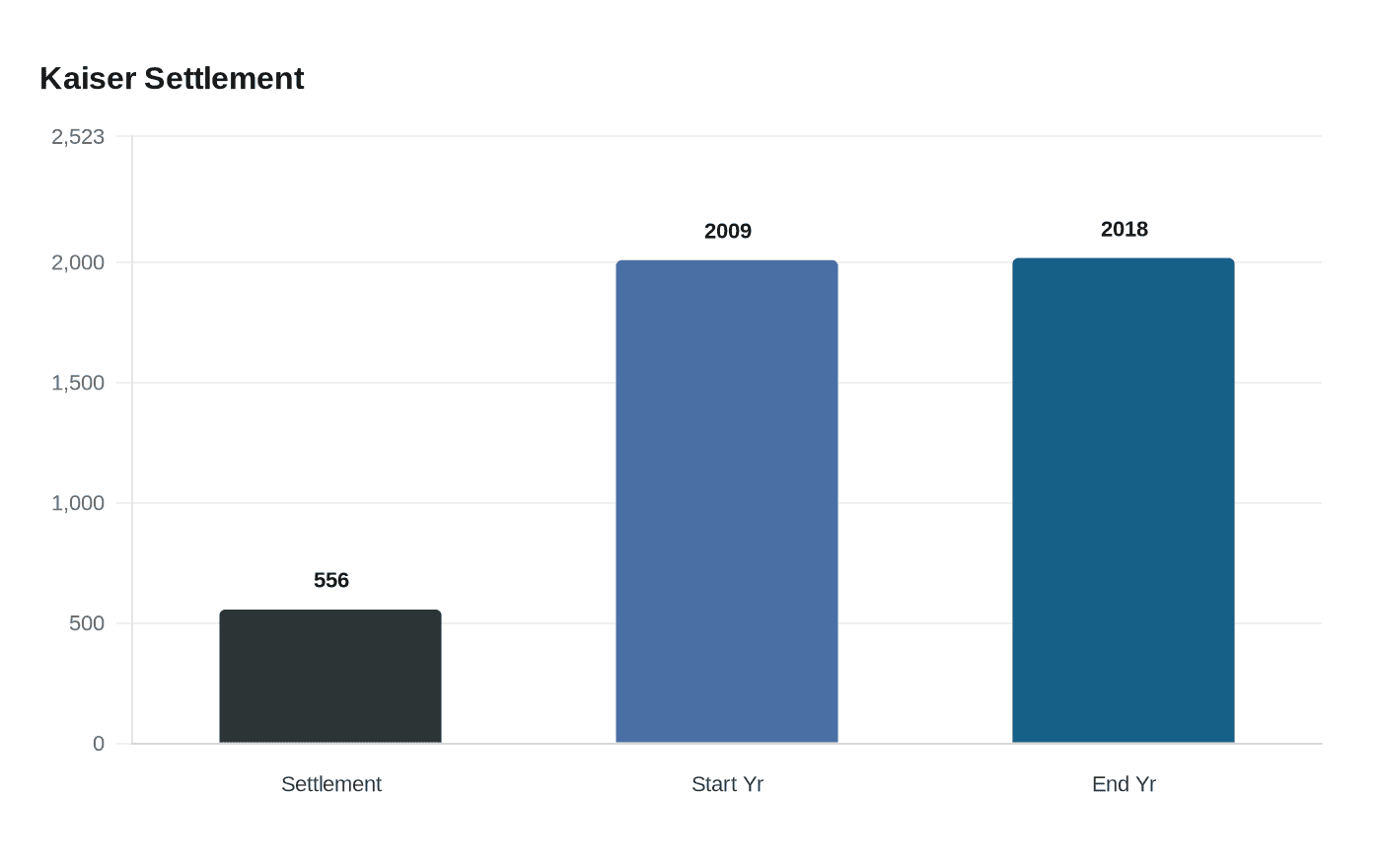
Affiliates of Kaiser Permanente agreed to pay roughly $556 million to resolve consolidated civil claims that they improperly inflated Medicare Advantage payments by adding or retaining diagnosis codes not supported by medical records. The litigation, driven by whistleblower complaints and handled in the Northern District of California, focused on alleged practices between about 2009 and 2018 that led to overstated risk-adjustment reimbursements. The settlement resolves those claims while Kaiser denied wrongdoing.
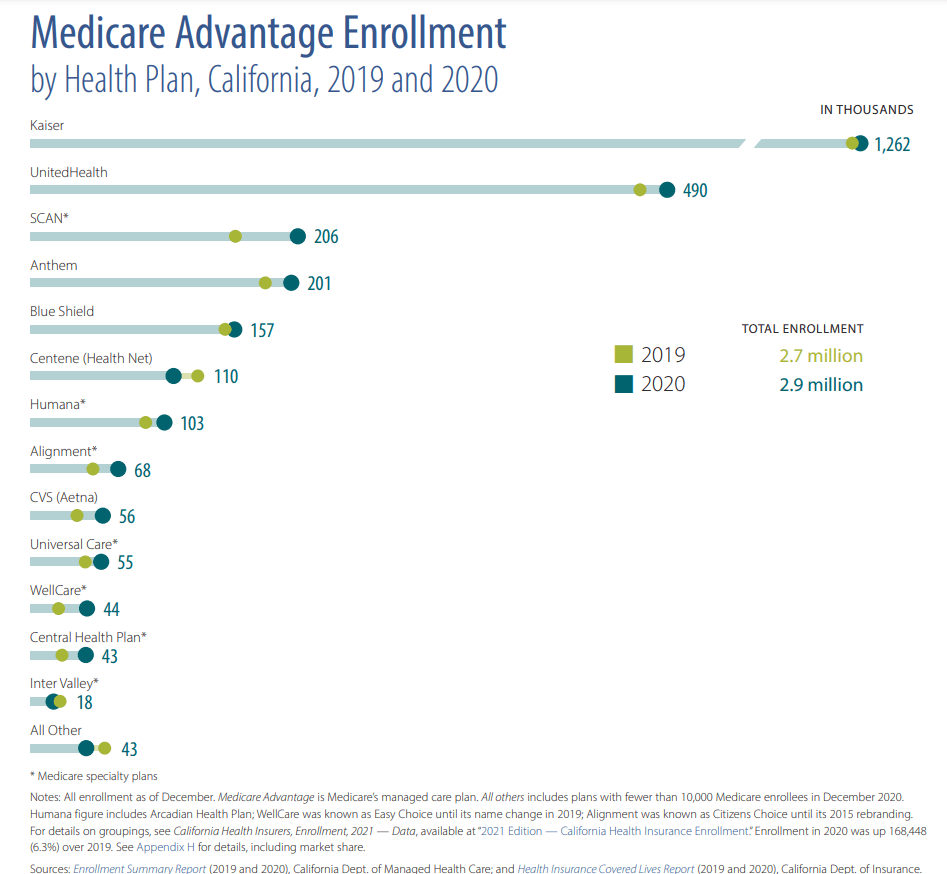
Federal action and a large monetary settlement underscore how coding practices in Medicare Advantage plans can affect public dollars and local health systems. Risk-adjustment formulas are intended to direct Medicare funds to plans that enroll sicker patients, but the dispute centers on whether diagnosis codes were used in ways that overstated patient risk and generated higher federal payments. For San Francisco, where Kaiser operates multiple hospitals and clinics and covers many Medicare Advantage enrollees, the case raises questions about billing oversight, the allocation of federal health funds, and the integrity of plan reporting.
Practical impacts for residents will vary. The settlement itself does not automatically change individual patient care, but it may prompt federal and state regulators to tighten audits and compliance reviews of Medicare Advantage plans in the region. That could mean administrative adjustments for providers and plans, renewed scrutiny of coding workflows, and potential changes to how diagnoses are documented and submitted. For Medicare Advantage beneficiaries, the most immediate actions are administrative: monitor plan communications and explanation of benefits statements for accuracy, and raise discrepancies with your plan or Medicare.

Beyond paperwork, the case highlights broader public health and equity concerns. Misstated risk scores can distort how Medicare dollars are distributed across communities, potentially diverting resources away from safety net services that serve low-income and historically underserved residents. Stronger transparency and accountability in plan reporting are important to ensure federal payments support patient care rather than administrative gains.
Local policymakers and health advocates will likely press for more oversight and for safeguards that protect consumers and the safety net. For Kaiser, the settlement will probably trigger internal compliance work and possibly expanded external monitoring to prevent similar allegations in future. For the community, the takeaway is to watch for follow-up from regulators and plans, and to expect conversations about how Medicare Advantage is audited and governed.
What comes next is enforcement and oversight. Residents should look for communications from their plan and from Medicare, and providers should prepare for closer coding reviews. The outcome may reshape how Medicare Advantage operates in San Francisco and will influence ongoing debates over transparency, program integrity, and equitable distribution of public health dollars.
Sources:
Know something we missed? Have a correction or additional information?
Submit a Tip