Kaktovik seeks to revive polar bear tourism under local control
Kaktovik wants polar-bear tourism back, but only on its terms. The village is trying to capture outside demand without repeating the crowding, privacy and wildlife strain that pushed residents to seek tighter control.
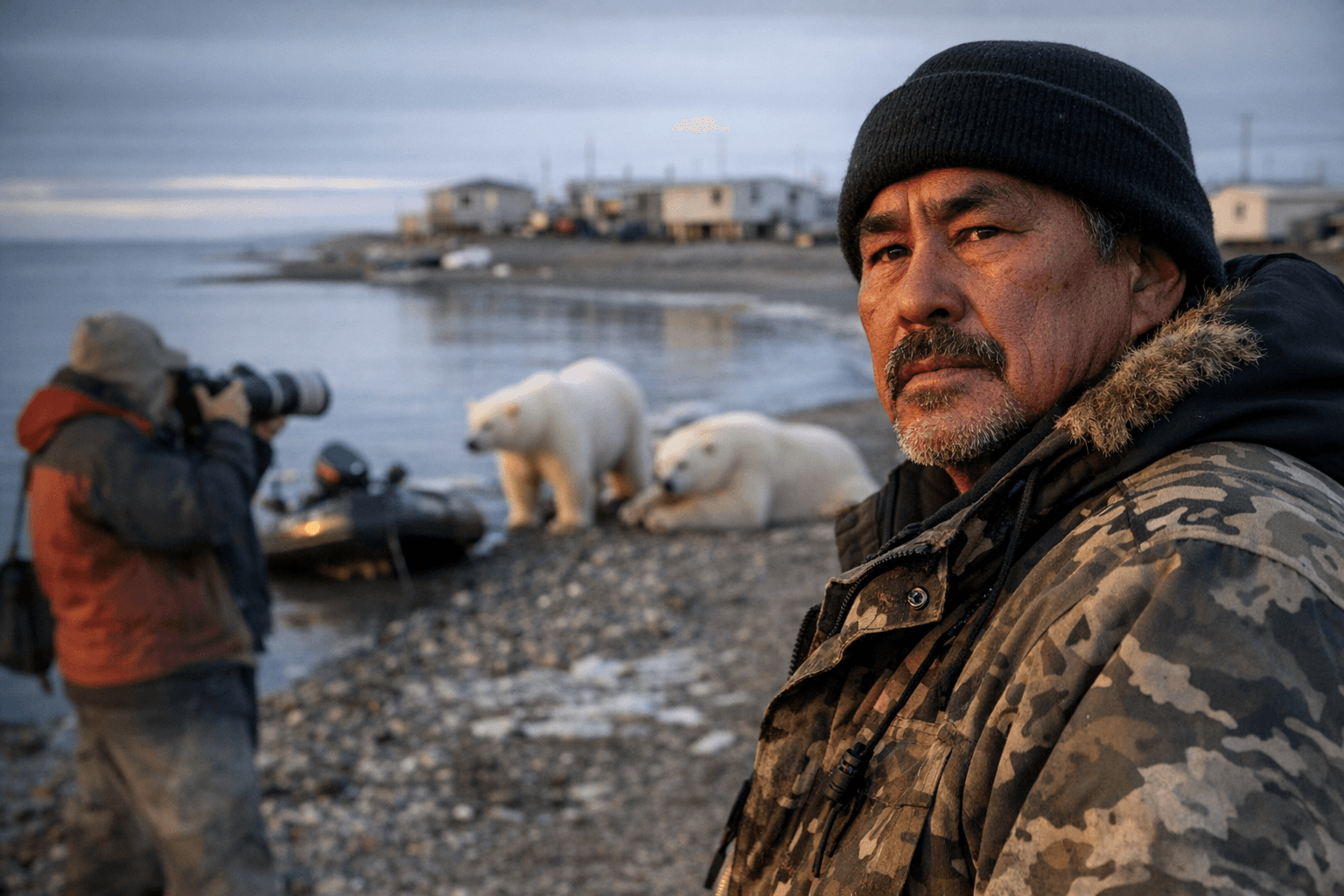
Kaktovik is trying to rebuild one of the Arctic’s most unusual tourism economies, a late-summer rush of visitors who once came to see polar bears gathered near the village’s shoreline as the sea ice pulled back. The market largely collapsed during the pandemic and after a federal order in 2021 halted boat tours, but village leaders now want it back under local control.
That push is about more than sightseeing. Kaktovik, a village of about 250 people on the edge of the Arctic National Wildlife Refuge, sits on land owned by the Kaktovik Inupiat Corp., which controls 144 square miles around the community. Charles Lampe, president of the corporation, said the village sees real financial opportunity in tourism, but residents want rules that keep the industry from overwhelming daily life the way it did before.
Tourism had expanded sharply after polar bears were listed as threatened under the federal Endangered Species Act in 2008, and in some years more than 1,000 visitors came to town. That business supported hotels, restaurants and small operators during a viewing season that lasts only about six weeks. But residents say the benefits were uneven, especially after larger outside companies began flying tourists in from Fairbanks and Anchorage instead of sending them to stay in Kaktovik.
The community says those changes brought more intrusion and less return. Residents described visitors photographing people, walking through yards without permission and treating the village like an exhibit. Federal permit and insurance requirements also made it harder for small local operators to compete, shifting more of the business to outside firms and weakening the local economy that tourism was supposed to support.
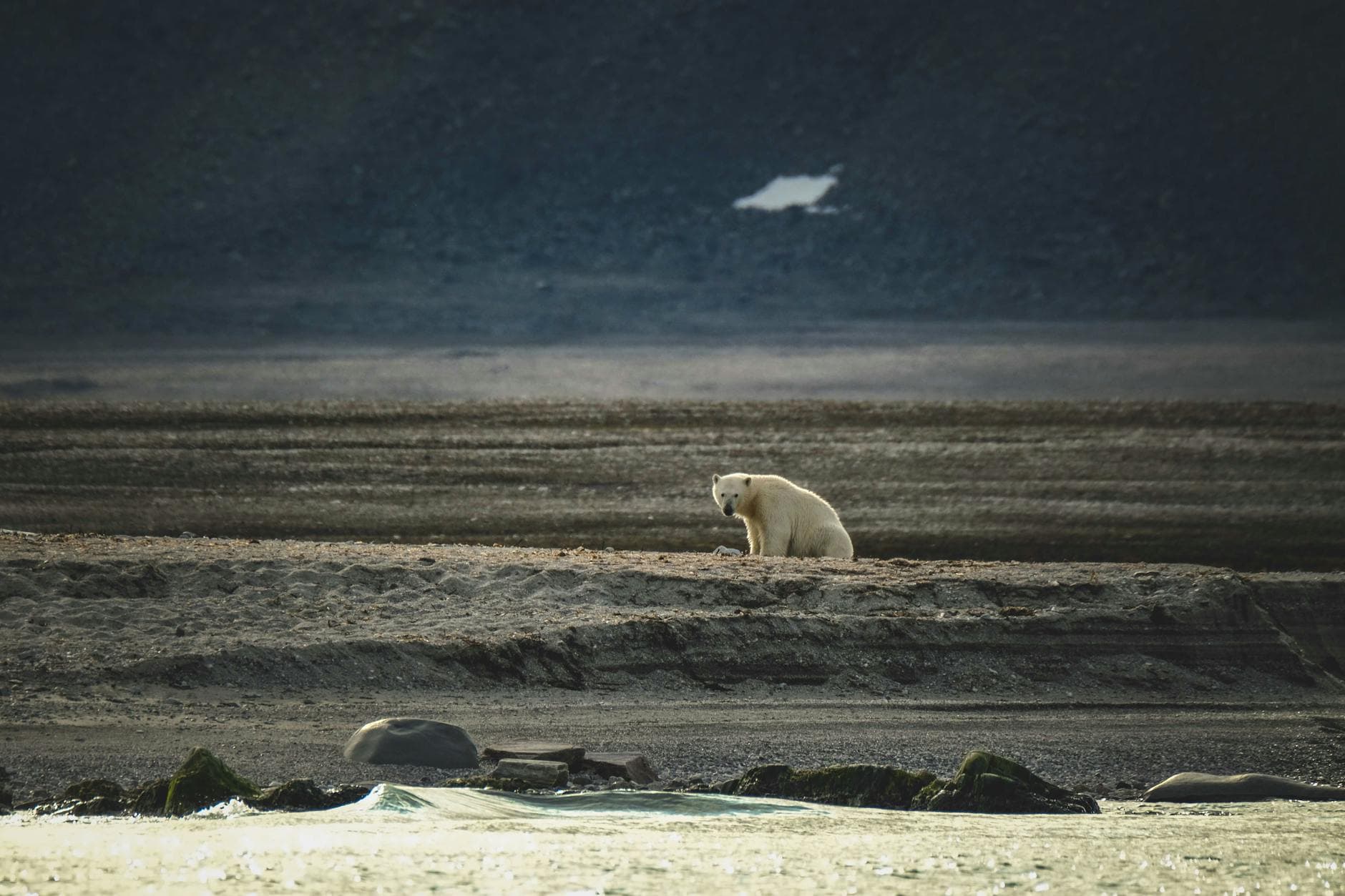
The stakes are tied to climate change as much as to commerce. Alaska’s Department of Fish and Game says Kaktovik and Utqiagvik are the two Alaska communities with limited polar-bear viewing opportunities, and that bears typically gather near Kaktovik during the ice-free period from August to October. As warming temperatures continue to shrink the sea ice polar bears need to hunt seals, scientists warn that many polar bears could disappear by the end of the century.
Kaktovik’s tourism season also overlaps with subsistence whaling, when hunters bring in bowhead whales and the remains draw bears ashore. That gives the village’s pitch its power and its limits: outside demand for a bucket-list experience is rising just as the people who live there are insisting that the bears, the whaling season and the community itself remain under local control.
This article was produced by Prism’s automated news system from verified source data, official records, and press releases, then run through automated quality and moderation checks before publishing. The system is built and supervised by the people who set the standards it runs under. Read our full AI policy.
Did this article answer your question?