Katalyst spacecraft tumbles as NASA Swift rescue mission faces setbacks
Katalyst’s LINK spacecraft lost control after component failures, putting NASA’s $30 million Swift rescue plan and a 21-year-old telescope at risk.
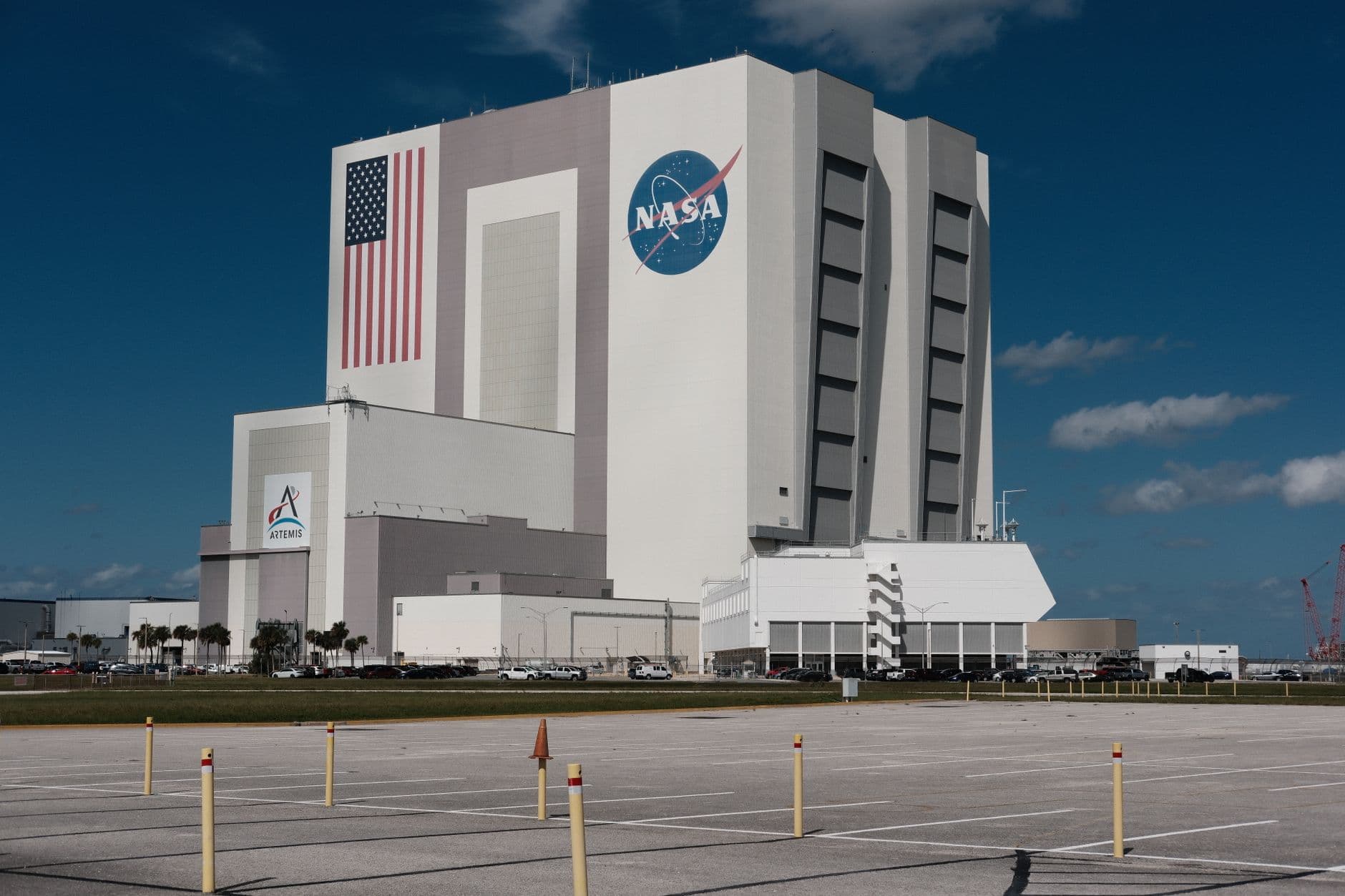
Katalyst Space Technologies’ LINK spacecraft tumbled out of control after key component failures, complicating NASA’s bid to lift the Neil Gehrels Swift Observatory into a safer orbit before atmospheric drag drags it down for good. The mission was supposed to be a first-of-its-kind commercial robotic rescue, but the setback now exposes how much the agency is asking of a startup on a deadline.
NASA hired Katalyst to push Swift, a 2004-era telescope now about 21 to 22 years old, into a higher orbit so it could keep hunting for some of the universe’s biggest explosions. The work was meant to show that the United States can rapidly dock with and service unprepared satellites, while also extending Swift’s life by years. Katalyst said in an Aug. 11, 2025 press release that the spacecraft was being developed to rescue a $500 million space telescope from uncontrolled reentry, and the company later described it in a Sept. 24, 2025 release as a NASA telescope about to fall out of the sky.
The hardware failures matter because Swift itself is already fragile. One report said the observatory was operating with five reaction wheels instead of six after a wheel failure, while another said a payload computer had stopped working the previous Sunday. Those problems left the telescope increasingly vulnerable to the atmospheric drag that has been pulling it lower, and the entire rescue concept depended on Katalyst’s ability to rendezvous, stabilize and boost the observatory before the window closed.
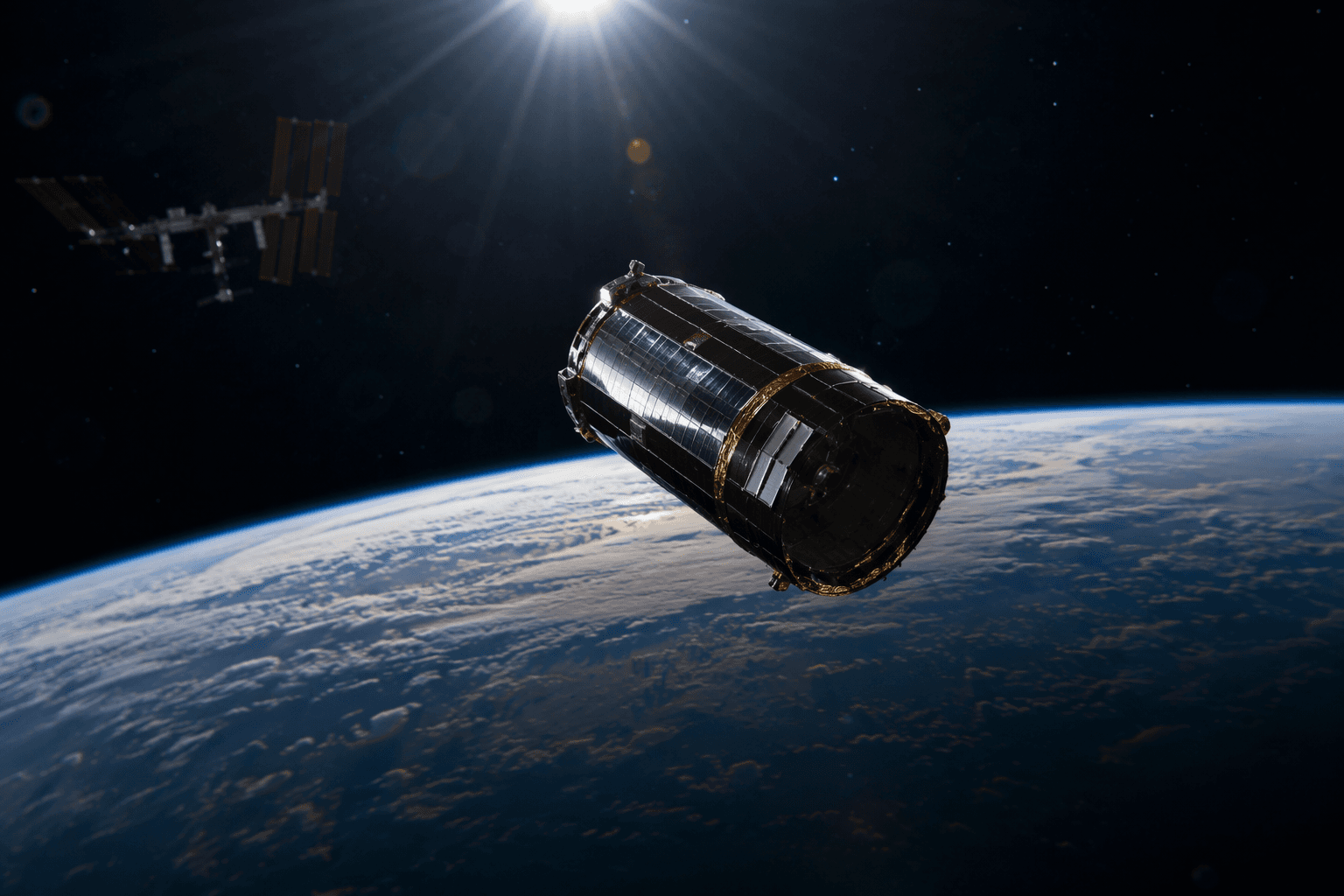
NASA put the mission on public test footing in a page released May 27, 2026, and coverage in late June said launch was set for June 30. AP-based reporting put the salvage operation at about $30 million, a relatively small price compared with the telescope’s estimated $500 million value, but one that still hinges on a complex commercial spacecraft performing flawlessly in orbit.
That is what makes the tumble more than a technical hiccup. NASA has increasingly leaned on private partners for mission-critical work, but the Swift rescue now underscores the agency’s exposure when contingency planning depends on a startup spacecraft that cannot hold attitude. If the rescue fails, later reporting said Swift could crash in October, ending an aging but still scientifically valuable observatory and forcing NASA to confront the limits of outsourcing a one-shot save.
This article was produced by Prism’s automated news system from verified source data, official records, and press releases, then run through automated quality and moderation checks before publishing. The system is built and supervised by the people who set the standards it runs under. Read our full AI policy.
Did this article answer your question?