Kaua‘i Fire Department rescues injured Colorado hiker from Cliff Trail
Kaua‘i Fire Department rescued an injured 63-year-old Colorado visitor from Cliff Trail in Kōke‘e State Park. This underscores trail hazards and the demands on county emergency services.
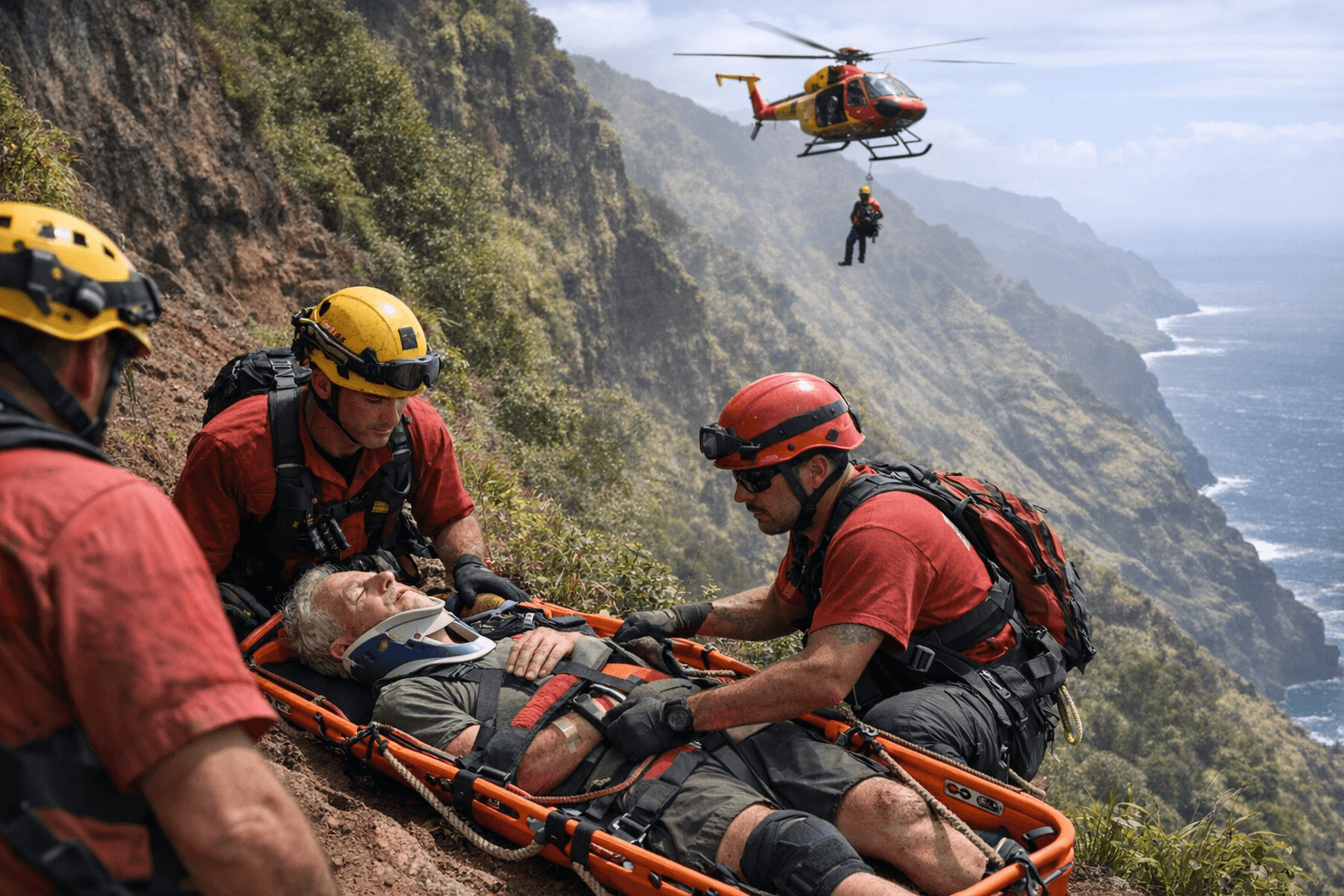
Firefighters from the Kaua‘i Fire Department rescued an injured 63-year-old male visitor from Colorado on the Cliff Trail in Kōke‘e State Park on Tuesday, January 13, 2026. Personnel reached the hiker on the trail and removed him from the scene; officials identified his age and state of residence but provided no additional details about his injuries in the immediate report.
The Cliff Trail, a popular but rugged route in Kōke‘e, runs through steep, remote terrain where weather can change quickly. Incidents like this put a spotlight on how quickly routine hikes can turn into urgent rescues and on the logistical challenges facing first responders operating in high-elevation, confined trails. For Kaua‘i residents and visitors alike, the episode is a reminder that preparedness and clear communication matter on island trails.
Emergency response for backcountry incidents draws on county fire personnel who carry out technical rescues under difficult conditions. Those operations require time, specialized training and equipment, and coordination with medical providers when transport or further care is needed. While this rescue was completed by Kaua‘i Fire Department crews, similar missions can strain local resources and affect availability for other emergencies across the island.
The broader policy implications include questions about funding, staffing and equipment levels for mountain and trail rescues as visitor numbers fluctuate. County leaders and public safety officials face decisions about prioritizing search-and-rescue capabilities, investing in trail signage and safety information, and expanding public education about risks in state parks. Better outreach could reduce preventable incidents and ease pressure on emergency services during peak visitor seasons.
For people planning to hike in Kōke‘e or other backcountry areas, practical precautions reduce risk: hike with a partner, leave an itinerary with someone on-island, bring adequate water and clothing for sudden weather shifts, carry navigation aids and a fully charged phone or personal locator device, and know your own limits on steep or slippery terrain. Park users should also check trail conditions and park notices before setting out.
The takeaway? Treat Kōke‘e trails with respect and plan like you mean it. Our two cents? A little extra preparation keeps you safe and helps keep local first responders ready for the emergencies that really need them.
Sources:
Know something we missed? Have a correction or additional information?
Submit a Tip