Kazakhstan deepens Trump ties to balance Russia and China
Astana is widening its Washington channel as it seeks room between Moscow and Beijing, and June 10 talks on critical minerals showed why.
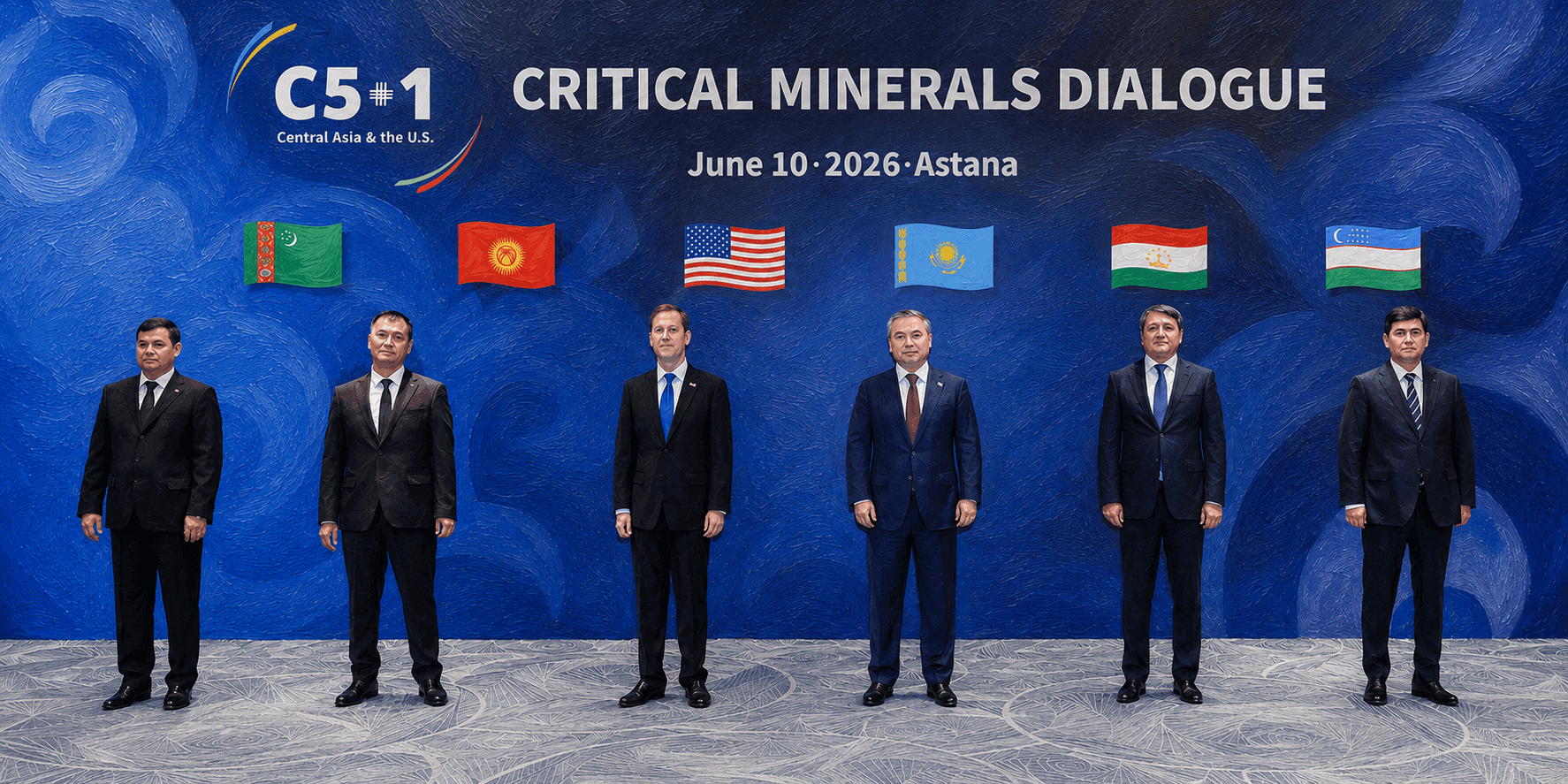
Kazakhstan is pressing harder into President Donald Trump’s Washington, using a flurry of summit diplomacy and critical minerals talks to widen its options between Russia and China. The clearest signal came in Astana on June 10, when Kassym-Jomart Tokayev met U.S. Special Envoy Sergio Gor and hosted the C5+1 Critical Minerals Dialogue, putting supply chains, investment and strategic access at the center of the relationship.
The C5+1 format, launched in 2015, brings the United States together with Kazakhstan, Kyrgyzstan, Tajikistan, Turkmenistan and Uzbekistan. In Astana, Gor said Central Asia had not received the attention it deserved and that the Trump administration had decided to change that. Tokayev used the meeting to reaffirm Kazakhstan’s commitment to an expanded strategic partnership with the United States and to welcome deeper U.S. participation in the C5+1 agenda.
That push fits a long-running Kazakh strategy of multi-vector foreign policy, but the current moment is sharper. Kazakhstan still sits in a security, energy and infrastructure environment dominated by Russia and China, two neighbors that shape its room to maneuver on trade routes, investment and regional stability. By drawing Washington into critical minerals and related industrial projects, Astana is trying to create another pole of influence without severing ties to either power.
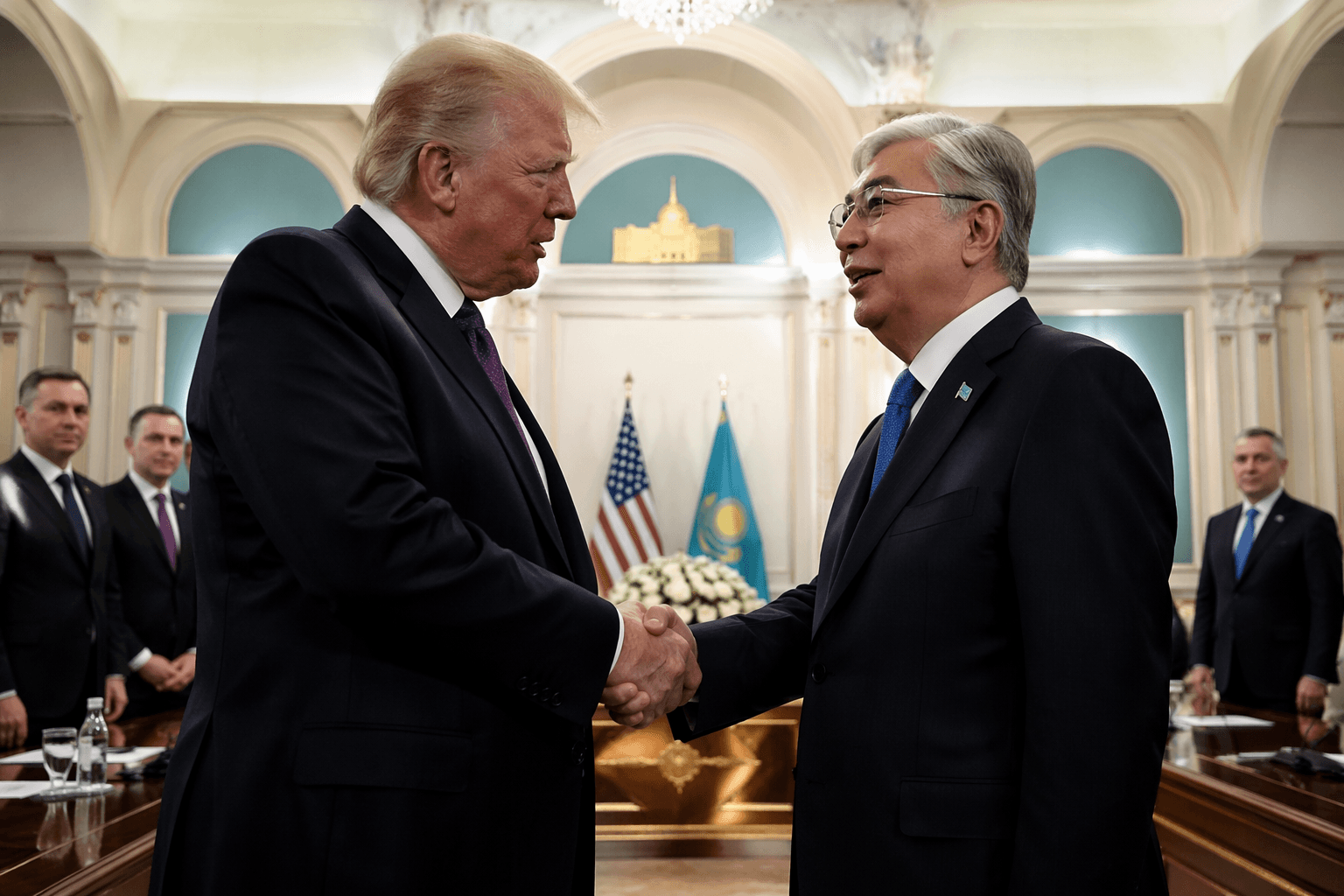
The outreach gained pace after Tokayev traveled to the White House on November 6, 2025, for a summit with Trump and the five Central Asian leaders. That meeting produced 29 bilateral agreements valued at about $17 billion and ended with Trump hinting at a possible visit to Kazakhstan. For Astana, the optics mattered, but so did the substance: a direct line to the White House, a larger U.S. stake in Central Asia and a diplomatic counterweight to the country’s heavier dependence on Moscow and Beijing.
The United States has its own reason to lean in. Critical minerals and secure supply chains have become a major driver of U.S. engagement in Central Asia, and Kazakhstan has moved to present itself as a supplier and investment partner in that effort. The result is a relationship shaped less by ceremony than by leverage, as Astana tries to turn American attention into strategic room to breathe.
This article was produced by Prism’s automated news system from verified source data, official records, and press releases, then run through automated quality and moderation checks before publishing. The system is built and supervised by the people who set the standards it runs under. Read our full AI policy.
Did this article answer your question?